Author: Robert Norton Foundation

  • Creating a Sensory-Safe Halloween for Autistic and Non-Verbal Children (Part 1)

    Creating a Sensory-Safe Halloween for Autistic and Non-Verbal Children (Part 1)

    The allure of Halloween is undeniable. From adorable costumes to trick-or-treating adventures, it’s a festival that promises fun and memories. However, for families of autistic and non-verbal children, Halloween can present unique challenges, mainly due to sensory sensitivities and unfamiliar situations. But with some thoughtful preparation, it’s entirely possible to provide a fun and sensory-safe Halloween experience for all. In this two-part series, we aim to help families create a Halloween that’s both enjoyable and sensory-safe.

    Understanding Sensory Sensitivities:

    The world can be a sensory overload for kids with autism. As described by Dr. Temple Grandin in her seminal work, Thinking in Pictures, autistic individuals often perceive sensory stimuli more intensely than others. Hence, it’s crucial to be aware and accommodating of these sensitivities.

    Places to Avoid:

    • Loud Environments: Many Halloween events feature loud music or sudden noise effects. SensoryFriendly.net recommends avoiding such environments or preparing the child in advance if they must encounter them.
    • Crowded Areas: Large gatherings or trick-or-treating during peak times can be overwhelming. Consider earlier or alternative routes.
    • Unexpected Scares: Haunted houses or areas with jump scares can be traumatic. It’s always a good idea to research in advance and choose kid-friendly zones.

    Activities to Embrace:

    • Quiet Celebrations: A blog post from The Art of Autism highlights the beauty of small, intimate Halloween celebrations that are under one’s control.
    • Structured Activities: Activities like pumpkin carving or Halloween crafts can offer a structured way to celebrate. This structure can be comforting to many kids with autism.
    • Costume Choices: It’s crucial to ensure that costumes are comfortable. Autistic advocate Carly Fleischmann suggests involving children in the choice, ensuring that it aligns with their sensory preferences. Check out more sensory friendly ideas on this Instagram page.

    Incorporating these strategies can be a game-changer for families. As the adage from the autism community says: “If you’ve met one person with autism, you’ve met one person with autism.” Keeping this in mind helps us remember the importance of individualized strategies.

    Stay tuned for Part 2, where we delve into sensory-safe home decorations, foods, and more games!
  • Bridging Communication Gaps: Our AAC Device Speaks Both Spanish and English!

    Bridging Communication Gaps: Our AAC Device Speaks Both Spanish and English!

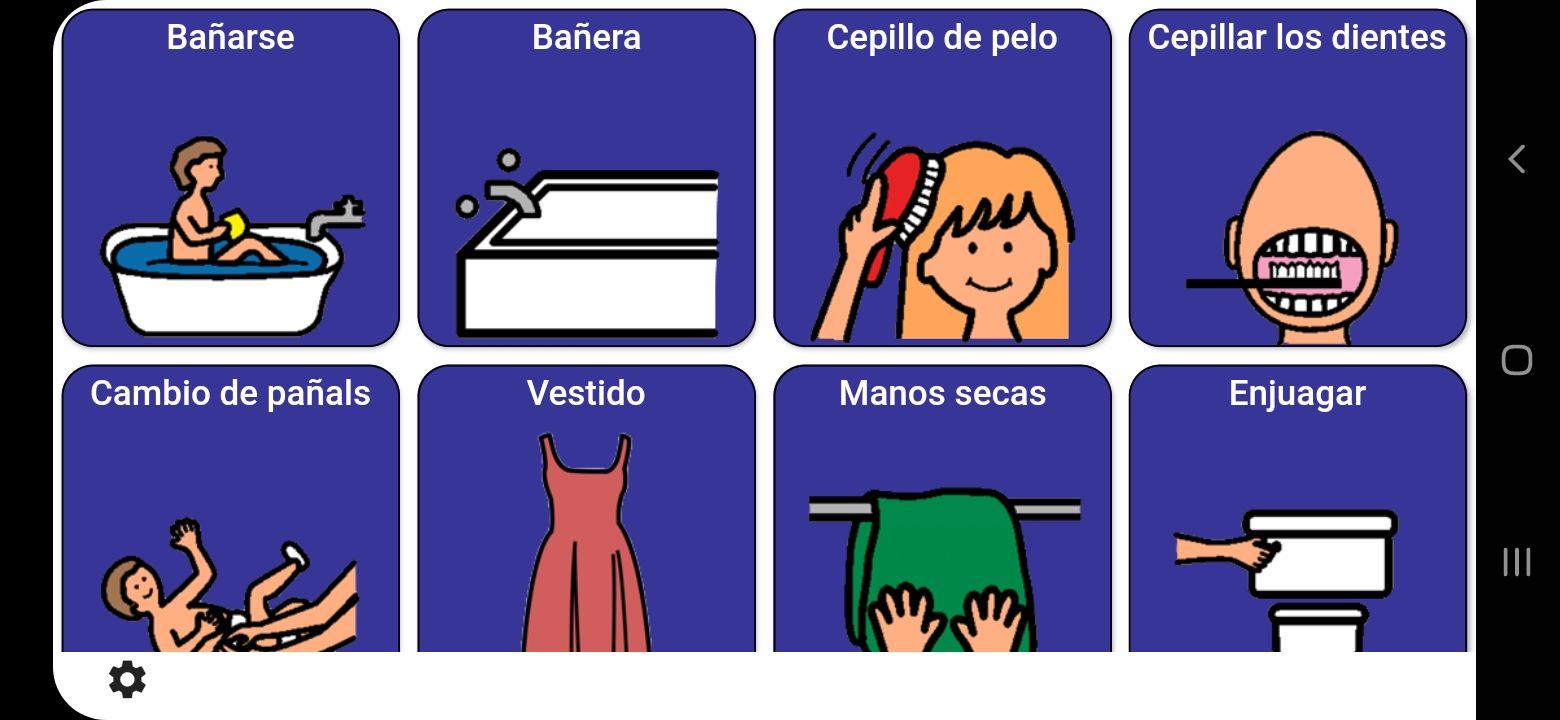
    At The Robert Norton Foundation, often referred to as “Give Kids A Voice” (GKAV), we’re constantly striving to enhance the user experience and ensure that every child has access to the tools they need. Our AAC devices now support both Spanish and English translations, complete with the option to select a male or female voice. In addition, our website is also available in Spanish – just click the “Español” link on the bottom right of any of our web pages!

    1. Addressing a Growing Need

    The Hispanic/Latino community in the United States is rapidly expanding. According to the U.S. Census Bureau, Hispanics constituted 18.5% of the nation’s total population in 2020. But, in spite of their growing presence, many in this community face challenges when seeking specialized services, including assistive communication tools.

    2. The Importance of Culturally Relevant Tools

    Language is more than just words — it represents culture, identity, and a sense of belonging. By integrating Spanish and English into our AAC devices, we’re aiming to provide a sense of familiarity and make communication more intuitive. This is especially crucial for children who might feel disconnected because traditional AAC devices don’t cater to their primary language.

    3. Gender Voice Selection: Personalization Matters

    Every child is unique, and their AAC device should mirror that individuality. By offering a choice between male and female voices, we empower users to pick an option that resonates with them or feels most comfortable.

    4. The Road Ahead: Equity in Access

    The ultimate goal is equity in access. Every child, irrespective of their cultural or linguistic background, deserves quality therapy and communication tools. As the Hispanic/Latino community continues its growth, assistive technology must evolve in tandem. Our recent update is a leap in the right direction.

    5. A Call to Action

    We seek your support to distribute more of these enhanced AAC devices to families in need, especially within the Hispanic/Latino community. With collective effort, we can bridge communication gaps and usher in a future that’s more inclusive.

    Conclusion

    Language and culture significantly shape our lives. By acknowledging and addressing the unique needs of the Hispanic/Latino community, GKAV reaffirms its dedication to inclusivity. On this journey of empowerment, we remain thankful for the unwavering support of our community. Here’s to dismantling barriers and forging bridges of understanding, one voice at a time.

  • Foundation Friday: Celebrating the Achievements of Non-Verbal Individuals with Autism Spectrum Disorder (ASD)

    Foundation Friday: Celebrating the Achievements of Non-Verbal Individuals with Autism Spectrum Disorder (ASD)

    Welcome to another Foundation Friday, where we focus on initiatives and stories that uplift, educate, and inspire. Today, we’re shedding light on a particularly misunderstood and often underestimated group: non-verbal individuals with Autism Spectrum Disorder (ASD).

    Breaking Stereotypes: Beyond Being Non-Verbal

    It’s a commonly held but misguided belief that being non-verbal is synonymous with a lack of intelligence or potential. This couldn’t be further from the truth. Non-verbal does not mean non-capable. Today, we highlight some non-verbal individuals with ASD who have made significant achievements, shattering stereotypes along the way.

    1. Carly Fleischmann

    Carly was diagnosed with severe autism at the age of two and was unable to speak. Through perseverance and the use of technology, she found her voice. Carly has co-authored a book, been the subject of various media features, and even became the first-ever non-verbal talk show host.

    2. Tito Mukhopadhyay

    Tito is another example of someone who, despite being non-verbal, has authored several books. His works have given a first-hand account of what it’s like to live as a non-verbal individual with ASD, providing a vital perspective for educators, therapists, and parents.

    3. Stephen Wiltshire

    Stephen is an architectural artist capable of drawing intricate cityscapes entirely from memory. Though he’s developed some language skills now, he was primarily non-verbal until the age of nine. Stephen’s art is showcased in galleries worldwide, and he has received numerous awards for his contributions.

    4. Dillan Barmache

    Dillan captured the world’s attention when he delivered a commencement speech using an augmentative and alternative communication (AAC) device. Dillan’s eloquence and insightful remarks challenged perceptions about what non-verbal individuals can achieve.

    Why This Matters

    By acknowledging and celebrating these incredible achievements, we aim to correct misunderstandings about non-verbal individuals with ASD. Their stories serve as a testament to human potential, inspiring us to re-examine preconceived notions and to approach everyone as individuals filled with limitless possibility.

    Conclusion

    As we wrap up this Foundation Friday, let’s carry forth this message of inherent worth and potential in all individuals, regardless of their communication abilities. Every person has a unique gift to offer the world. It’s up to us to provide the platform and the opportunity for those gifts to shine.

  • Navigating the New School Year: Supporting Your Non-Verbal Child with ASD and Collaborating with Teachers and Therapists

    Navigating the New School Year: Supporting Your Non-Verbal Child with ASD and Collaborating with Teachers and Therapists

    The dawn of a new school year often ushers in a flurry of emotions for parents: anticipation, nervousness, and hope. For those supporting a non-verbal child with autism spectrum disorder (ASD), such as Robert, this period can be especially poignant. Building bridges with teachers and therapists, understanding classroom dynamics, and ensuring the continuity of therapeutic practices are all part of this intricate dance. Here’s how to weave these elements together for a successful academic year:

    1. Initiate Early Communication

    With Teachers:

    Prior to the school year’s commencement, arrange a meeting with your child’s new teacher. Use Robert’s experience as an example. Discuss your child’s non-verbal status, their unique strengths and challenges, and any particular accommodations they might need. Giving educators a window into your child’s world can prepare them to craft a nurturing and effective learning environment.

    With Therapists:

    Whether your child is transitioning to a new therapist or continuing with a familiar face, re-establishing communication is key. Outline the goals for the upcoming year, update them about any progress or changes in routine, and ensure that school learning and therapy are aligned.

    2. Leverage Technology and Tools

    Consider investing in communication tools suitable for your child, be it a picture exchange system, a tablet with specialized apps, or any other augmentative and alternative communication (AAC) tools. As you know, we provide these devices to families and caregivers of non-verbal autistic children – simply fill out this form and we will contact you! Robert uses his GKAV (Give Kids A Voice) device at home, in school, and in therapy. Having these tools can greatly assist in bridging the communication gap in both the classroom and therapy sessions.

    3. Consistent Check-ins

    Maintain a regular check-in routine with educators and therapists. This can be in the form of a communication log, weekly email updates, or scheduled monthly meetings. Consistency is vital to track progress, address challenges, and celebrate milestones.

    4. Promote a Holistic Approach

    Encourage a balanced routine that goes beyond academics and therapy. Activities like sensory play, music classes, or simple outdoor excursions can be beneficial for a non-verbal child with ASD. Using Robert’s experience as a reference, incorporating these can provide alternative avenues for expression and stimulation.

    5. Educate and Advocate

    Ensure that the school community is aware and accepting. Work with the school to conduct sessions or workshops on ASD and the unique challenges faced by non-verbal children. Advocacy can foster an inclusive environment, not just for your child but for every student who may be grappling with similar challenges.

    Conclusion

    Using Robert’s journey as an illustrative example, it’s evident that supporting a non-verbal child with ASD throughout the school year requires dedication, patience, and collaboration. Every child, regardless of where they fall on the spectrum, deserves an enriching educational experience. With early communication, the right tools, consistent check-ins, a holistic approach, and continued advocacy, we can make the school environment a nurturing space for these exceptional children.

  • Balancing the Family Dynamic with a Non-Verbal Autistic Child

    Balancing the Family Dynamic with a Non-Verbal Autistic Child

    Being a parent to a non-verbal autistic child can be uniquely challenging, and it requires a delicate balance. Not only do you have to cater to your child’s unique needs, but you must also ensure that your spouse, other children, and, importantly, you are not left behind. In our journey together, let’s explore ways to maintain this balance and suggest some activities that can be fun and therapeutic for everyone involved.

    1. Understanding and Communication: Before anything else, understanding each individual’s needs is essential. Regular family meetings, perhaps accompanied by visual aids for your non-verbal child, can help everyone express their feelings and needs.

    2. Prioritizing Self-Care: Your well-being is the foundation upon which the family’s well-being is built. Activities like reading, taking short walks, or engaging in hobbies can offer moments of relaxation. Consider joining support groups, either in-person or online, to share experiences with other parents in similar situations.

    3. Scheduling Regular Date Nights: Your relationship with your spouse is crucial. Regular date nights, even if they’re simple home-cooked dinners after the kids are in bed, can help both of you reconnect.

    4. Activities That Everyone Can Enjoy:

    Swimming: Many autistic children find water soothing. As a family, visit a local pool. It’s both fun and an excellent activity for sensory input.

    Interactive Museums: Places like science museums often have hands-on exhibits that can be engaging for everyone.

    Art and Craft: Activities such as drawing, painting, or pottery can be calming and allow for expression without words.

    Music Sessions: Whether it’s just dancing in the living room or playing musical instruments, music can be a universal language.

    5. One-on-One Time: It’s essential for each child to feel special. Schedule individual time with each of your children, engaging in activities they love. For your non-verbal child, this could be as simple as sitting together flipping through a picture book or playing with sensory toys.

    6. Seek Professional Help: Therapists can provide valuable insights into balancing familial responsibilities and ensuring each member’s emotional well-being.

    7. Keep Learning: As parents, it’s crucial to keep updated with the latest on autism, understanding it better and seeking new activities or therapies that can benefit your child and family.

    8. Celebrate Small Victories: Every new word, gesture, or shared family moment is a victory. Celebrate them. They are a testament to your family’s resilience and love.

    In conclusion, while the journey with a non-verbal autistic child can have its challenges, it also brings opportunities for growth, understanding, and deep bonding. By ensuring that everyone’s needs are met and introducing activities that everyone can enjoy, you’ll be fostering a supportive, loving environment where each family member thrives.


    Visit www.givekidsavoice.org for more insights, stories, and support related to non-verbal autism and the wonderful families navigating this journey.

  • Guiding the Calm: Teaching Self-Soothing Techniques to Non-Verbal Autistic Children with AAC Devices

    Guiding the Calm: Teaching Self-Soothing Techniques to Non-Verbal Autistic Children with AAC Devices

    We’re back today to explore a crucial aspect of parenting a non-verbal autistic child – teaching self-soothing techniques. Managing emotions can be uniquely challenging for these children, particularly because of communication difficulties. However, with tools like Augmentative and Alternative Communication (AAC) devices, which our foundation is proud to supply free of charge, we can bridge these communication gaps and empower our children to self-soothe.

    Non-verbal autistic children often have unique ways of expressing their emotions. Frustration, anxiety, or distress may present as physical symptoms like agitation, restlessness, or meltdowns. It’s vital to offer comfort during these moments, but it’s equally important to equip them with self-soothing skills, fostering emotional self-regulation and resilience.

    Here are some strategies to help your non-verbal autistic child learn to self-soothe using AAC devices:

    Visual Communication via AAC:
    AAC devices can provide visual cues, aiding children in understanding complex emotions and appropriate responses. You can use these devices to create visual schedules, emotion charts, or even calming scripts. These visuals can guide them through the process of calming down – from recognizing emotional triggers to taking deep breaths or engaging in a calming activity.

    Create a Sensory-Safe Space:
    Design a quiet, comforting space where your child can retreat when feeling overwhelmed. This area can be coupled with the AAC device to help children express their need for a break. You can equip the space with soothing items like soft cushions, favorite toys, or sensory bins.

    Music and Sounds:
    Many non-verbal autistic children respond positively to calming music or ambient sounds. You can use AAC devices to play their favorite calming sounds or music, helping them associate these sounds with relaxation and emotional regulation.

    Use AAC for Repetitive Scripts:
    Repetitive scripts can have a calming effect on autistic children. You can program your AAC device with phrases or statements that your child finds comforting. They can play these phrases when they feel anxious or stressed, helping them calm down.

    AAC Guided Breathing Exercises:
    Breathing exercises can be calming for some children. Though teaching this might be challenging, AAC devices can help by providing a visual or auditory guide, such as inflating and deflating a virtual balloon in sync with breaths.

    Deep Pressure Therapy:
    Deep pressure therapy, such as firm hugs or weighted blankets, can calm an overstimulated nervous system. If your child responds well to this, you can program a prompt into their AAC device, reminding them to ask for a hug or fetch their blanket when they start feeling overwhelmed.

    Every child is unique, and it’s crucial to explore various strategies to find what works best for your child. Remember, the goal is not to eliminate all stress but to equip your child with tools to navigate their emotions independently.

    At the Robert Norton Foundation, we are proud to support families on this journey by providing AAC devices free of charge. By harnessing the power of communication, we hope to empower your child to understand and express their emotional needs better, fostering self-soothing, resilience, and confidence. We are with you every step of this journey, towards a world of more understanding, acceptance, and love.

  • The Power of the Sunflower: Enhancing Air Travel for Children with Hidden Disabilities

    The Power of the Sunflower: Enhancing Air Travel for Children with Hidden Disabilities

    Greetings from the Robert Norton Foundation! Today, we wish to highlight a program that has been making a significant difference in the lives of many families worldwide – the Sunflower Lanyard Program.

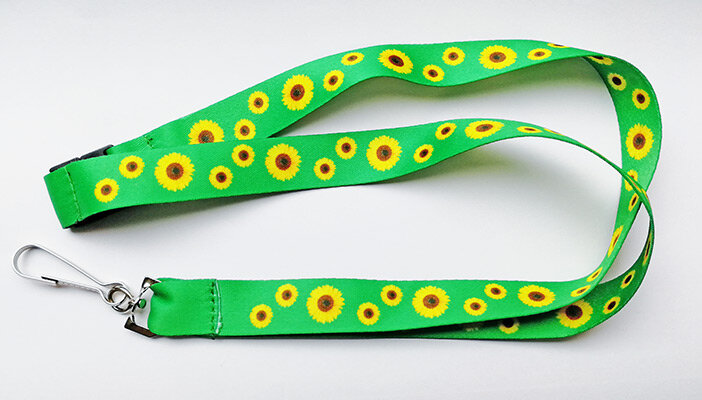
    The sunflower, with its cheerful color and robust nature, symbolizes strength, positivity, and resilience, an apt representation of our children with hidden disabilities. The Sunflower Lanyard Program, thus, has become an essential tool in bridging gaps, promoting inclusivity, and ensuring a comfortable travel experience for these children and their families.

    Airports can be an overwhelming place, filled with bustling crowds, loud noises, and a flurry of activities. For children with hidden disabilities such as autism, ADHD, or sensory processing disorders, navigating through this environment can be particularly stressful. The Sunflower Lanyard Program aims to alleviate some of these stresses, providing additional support and understanding for these children and their families.

    Initiated in the UK and now widely recognized globally, the program allows those with hidden disabilities to wear a green lanyard adorned with bright sunflowers, signaling to airport staff that they may require additional support or understanding. It’s a discreet yet effective way to communicate the child’s unique needs without them having to disclose their condition verbally at every juncture.

    Here’s how the Sunflower Lanyard Program benefits families:

    Increased Understanding and Patience: Airport staff trained in the program are more patient, understanding that children may need more time to process information or might react differently to certain situations.

    Prioritized Security Screening: Some airports provide priority screening, reducing wait times, and minimizing stress for children with hidden disabilities.

    Adapted Communication: Staff can adapt their communication style to be more accessible and less overwhelming for children.

    Special Assistance: In some cases, children may be allowed early boarding or be provided with a quieter waiting area to reduce sensory overload.

    The Sunflower Lanyard Program’s brilliance lies in its simplicity – it opens up a non-verbal channel of communication, allowing our children to move through a usually stressful environment with more comfort and dignity.

    As a parent, you can obtain a sunflower lanyard at participating airports or order one online. It’s also advisable to contact your airline in advance to discuss specific needs or accommodations your child may require.

    At the Robert Norton Foundation, we are incredibly supportive of such initiatives that encourage inclusivity, understanding, and kindness. We believe in a world where our children, irrespective of their disabilities, visible or hidden, can experience and enjoy life to the fullest.

    The Sunflower Lanyard Program is a significant step towards this goal, illuminating the path with its bright sunflower symbol, guiding our children, and assuring them that their needs are recognized and valued. After all, it’s these little changes that make a world of difference in their lives and ours. Let’s continue to make air travel a more accessible and enjoyable experience for all our children!

  • Walking Together: Supporting Siblings of Non-Verbal Autistic Children

    Walking Together: Supporting Siblings of Non-Verbal Autistic Children

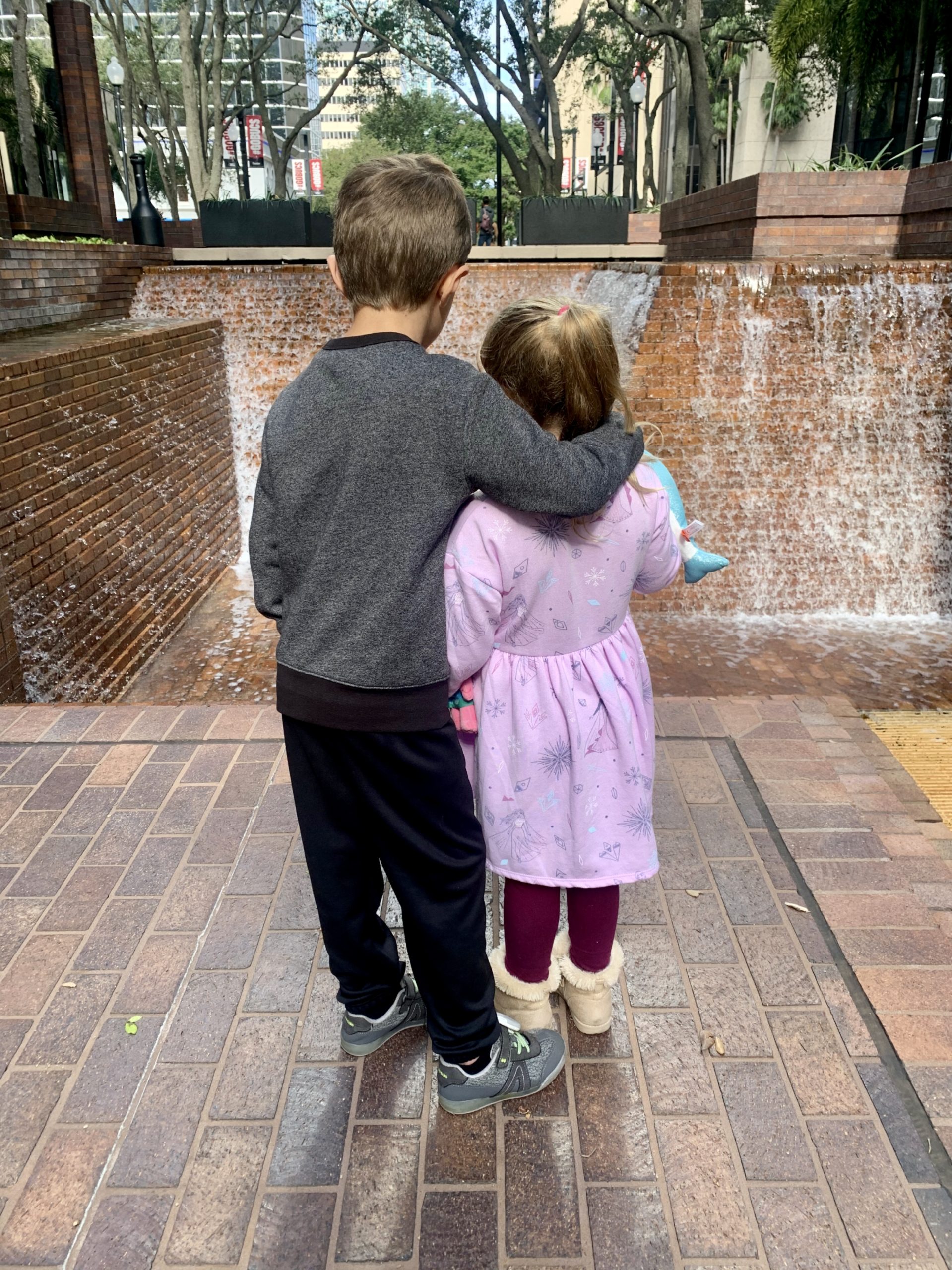
    On behalf of the Robert Norton Foundation, we’d like to shine a light on a challenging yet underexplored facet of family life within the autism community: being a sibling to a non-verbal autistic child. Navigating this journey as a parent is often a road less traveled, filled with joys, hurdles, shared experiences, and unique personal growth.

    The dynamics within a family that has a child with special needs, particularly those on the non-verbal autism spectrum, can be a delicate balance. It’s not merely about managing the autistic child’s requirements but also considering the siblings’ needs, who may face a unique set of challenges themselves.

    To fully comprehend the impact, it’s important to recognize that siblings often serve as secondary caregivers. They grow up faster, understanding sooner the complexities of the world. They become inherently sensitive to the silent communication of their non-verbal sibling, turning into experts at deciphering non-verbal cues, expressions, and emotions.

    However, the weight of these responsibilities can feel heavy, leading to feelings of isolation, anxiety, and guilt. They may struggle with divided attention from their parents or find it challenging to communicate their own needs in light of their sibling’s more visible demands. They may also grapple with their sense of identity, as they can often feel defined by their role as the sibling of a non-verbal autistic child.

    As parents, how can we ensure we are providing the necessary support to these siblings, fostering an environment where they feel seen, heard, and understood? Here are a few suggestions:

    Foster Open Communication: Encourage siblings to express their feelings and thoughts freely. Facilitate a safe space where they can discuss their experiences, both positive and challenging, regarding their relationship with their autistic sibling.

    Ensure Individual Attention: Each child has unique needs. Try to spend individual time with each child, doing activities they love. This special time helps siblings feel valued and understood on their own terms.

    Encourage Peer Interaction: Find or create a support network of peers who share similar experiences. This might be a local or online support group where they can connect with others who understand their unique journey.

    Educate About Autism: Provide siblings with age-appropriate information about autism. This understanding can help siblings make sense of their experiences and feel more prepared to face challenges.

    Provide Counseling if Needed: Don’t hesitate to seek professional help if a sibling is showing signs of significant distress. Therapists who specialize in autism and family dynamics can provide invaluable support.

    Parenting a sibling of a non-verbal autistic child is a journey that requires balance, resilience, and a tremendous amount of love. As a parent, it’s crucial to remember that it’s okay to ask for help, to lean on the support of others, and to seek respite when needed. We don’t have to travel this journey alone.

    The Robert Norton Foundation is here to support and guide you on this journey. We work tirelessly to advocate for families affected by autism, striving for a future where every family member feels seen, understood, and empowered.

    Remember, in the face of adversity, we grow stronger together. Let’s walk this path hand in hand, nurturing the sibling relationships within our families and empowering our children to navigate their unique journeys with resilience, understanding, and compassion.

  • Robert is 10!

    Robert is 10!


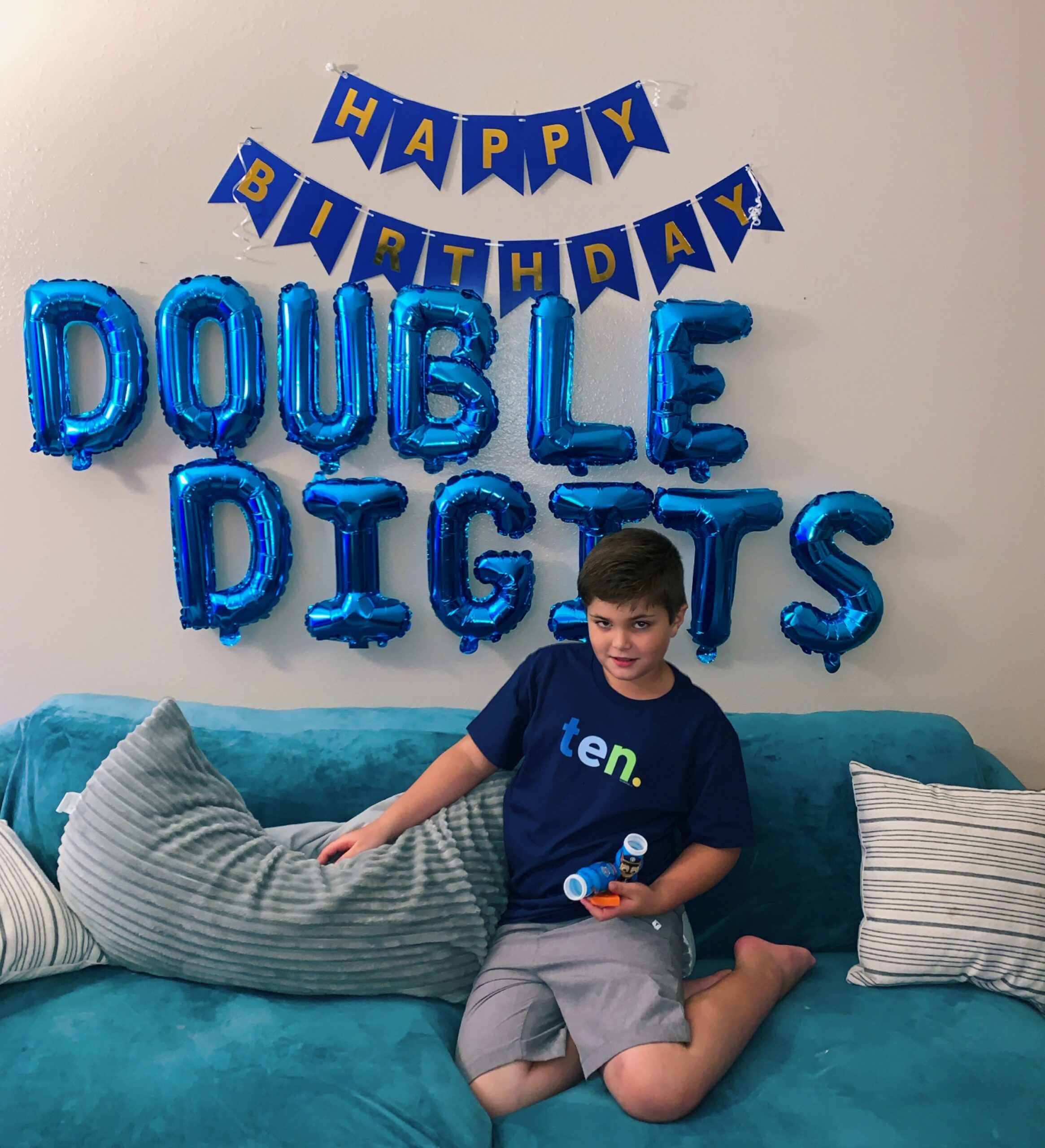
    We have entered the chapter of double digits!

    We are celebrating a big milestone in our family this week as Robert turned 10 years old on June 28th. This brought back so many memories from the very first time I heard his heartbeat, to the first time I held him, to hearing him laugh and giggle. Learning how to crawl and to him taking his first steps. To him saying mama for the first time, he may not say if often but when he does its music for my heart.

    All those “first moments” came flashing back. So did the moment hearing for the first time your child is autistic. There have been so many beautiful and downright overwhelming moments in these past ten years that as his mother I feel like I have been on one heck of a roller coaster ride. To see him grow, laugh, learn, become more independent and overcome so many obstacles is truly indescribable.

    We celebrated the big day by making sure Robert had somewhat of his structured routine as he thrives best under those conditions. We will continue to celebrate all weekend and hope you all enjoy the holiday festivities keeping in mind that our kiddos may not want or need to celebrate in the ways that other children might and that is perfectly ok. We will be skipping any celebrations that include fireworks as those are too overwhelming for Robert. He loves to play with water and in water so we will be heading to the pool at some point. Sometimes keeping things as simple as possible is the best way to go. May you all have a wonderful holiday weekend!