Author: Robert Norton Foundation

  • Foundation Friday Spotlight: Empowering Non-Verbal Autistic Children Through Give Kids A Voice

    Foundation Friday Spotlight: Empowering Non-Verbal Autistic Children Through Give Kids A Voice

    Welcome to another Foundation Friday, where we shine a spotlight on efforts that make significant impacts in the lives of those in need. This week, we’re featuring Give Kids A Voice—an organization dedicated to empowering non-verbal autistic children by providing them with innovative communication solutions.

    Mission and Vision:

    Give Kids A Voice focuses on providing Augmentative and Alternative Communication (AAC) devices to non-verbal autistic children free of charge. Our mission is to ensure that every child has the ability to express themselves, connect with others, and navigate the world around them with confidence.

    How We Help:

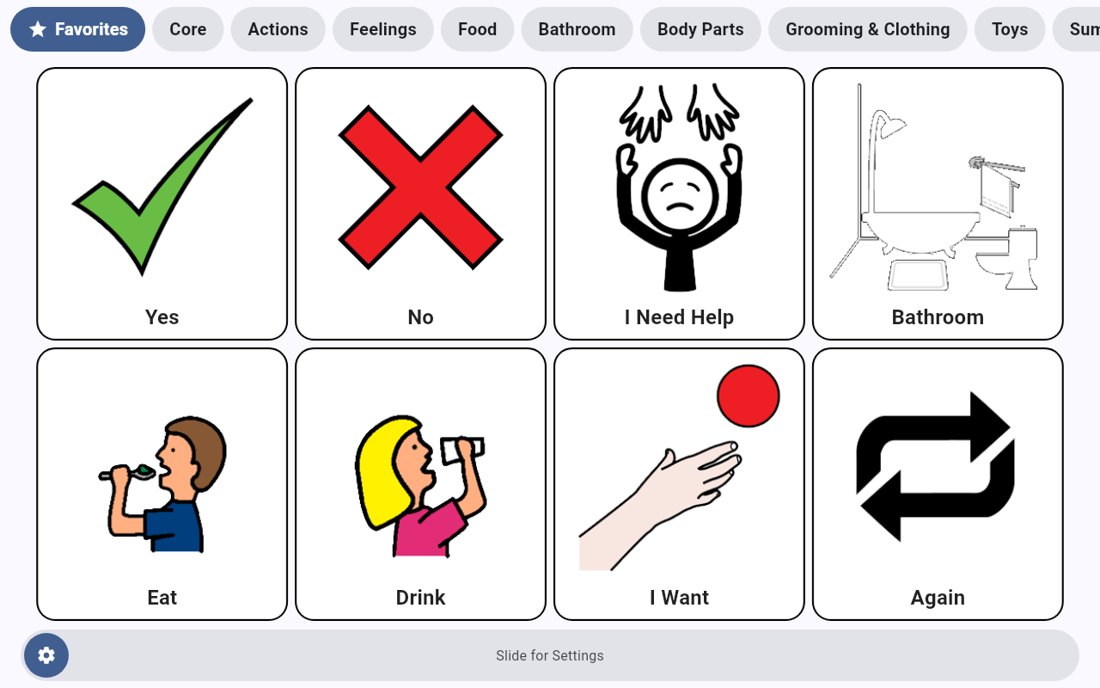
    At the heart of our initiative are the AAC devices—10\” Android tablets equipped with PECS (Picture Exchange Communication System) cards. These tools are more than just devices; they are lifelines that open doors to interaction and understanding. By giving these tablets to families in need, we help bridge the gap between silence and expression.

    Impact Stories:

    From classrooms to playgrounds, the stories of transformation are profound. Parents report breakthroughs in communication, teachers observe increased engagement in learning, and most importantly, the children show immense joy in being able to share their thoughts and feelings.

    Foundation Friday Focus:

    Every Foundation Friday, we recommit to our pledge to support non-verbal autistic children. We also take this opportunity to call on our community and partners to join us in this cause. Your support can come in various forms—donations, volunteering, or simply spreading the word about our work.

    Conclusion:

    As we wrap up this Foundation Friday post, we’re reminded of the powerful impact that collective support can have on individual lives. Through the continued efforts of Give Kids A Voice and the generous support of our community, we can keep changing lives, one AAC device at a time.
  • Embracing Autism Awareness Month with Inclusivity and Support

    Embracing Autism Awareness Month with Inclusivity and Support

    April is a beacon of hope and advocacy for the autism community. As Autism Awareness Month unfolds, we’re reminded of the importance of inclusivity, understanding, and support for individuals with autism.

    World Autism Acceptance Week:

    The National Autistic Society has dedicated the first week of April to World Autism Acceptance Week, encouraging vibrant participation and fundraising to support the autistic community.

    #ActFearlessly Campaign by Autism Speaks:

    Autism Speaks is championing the #ActFearlessly campaign, urging the community to advocate for the rights and well-being of individuals on the autism spectrum.

    Autism Acceptance Month Initiatives by the Autism Society:

    The Autism Society is spotlighting their corporate partners who are taking significant steps towards acceptance and support for the autism community.

    As part of our commitment to this cause, Give Kids A Voice is proud to contribute to Autism Awareness Month by providing Augmentative and Alternative Communication (AAC) devices to non-verbal autistic children free of charge. Our initiative aims to empower these children, giving them a voice and facilitating their participation in a world that celebrates their uniqueness.

  • Celebrating World Autism Awareness Day: Empowering Non-Verbal Autistic Children Through Communication

    Celebrating World Autism Awareness Day: Empowering Non-Verbal Autistic Children Through Communication

    April 2nd marks World Autism Awareness Day, a day dedicated to raising awareness and fostering understanding of autism spectrum disorder (ASD). At Give Kids A Voice, we join this global initiative by spotlighting the significance of empowering non-verbal autistic children. Our focus is on how Augmentative and Alternative Communication (AAC) devices can transform their lives by offering them a voice.

    Empowering Communication:

    For non-verbal children on the autism spectrum, AAC devices provided by Give Kids A Voice are more than just tools; they are keys to unlocking a world of expression. These devices enable children to communicate their needs, thoughts, and feelings, fostering a deeper connection with the world around them.

    Inclusivity Through Technology:

    Our commitment to inclusivity drives us to ensure that every child has access to the technology they need to thrive. On World Autism Awareness Day, we reaffirm our pledge to bridge communication gaps and advocate for the rights of individuals with autism.

    Celebrating Together:

    Today, let’s celebrate the achievements and strides made in understanding autism. Let’s commit to creating an environment that supports growth, learning, and acceptance for every child.

    Conclusion:

    World Autism Awareness Day is not just a day of advocacy; it’s a reminder of the ongoing journey towards a more inclusive society. By empowering non-verbal autistic children with the tools they need to communicate, we give them the gift of voice and the ability to connect deeply with others.

  • Breaking the Isolation: Encouraging Social Interaction for Non-Verbal Autistic Children

    Breaking the Isolation: Encouraging Social Interaction for Non-Verbal Autistic Children

    For many non-verbal autistic children, the world can sometimes feel isolating. Communication barriers often hinder their ability to interact with peers, leading to a life where solo play becomes a norm. However, at Give Kids A Voice, we believe in the power of breaking down these barriers and fostering an environment where every child can connect, share, and play alongside others. This blog post aims to shed light on strategies and tools, particularly our Augmentative and Alternative Communication (AAC) devices, that can help bridge the gap between non-verbal autistic children and their peers.

    Understanding the Challenge:

    Non-verbal autism doesn’t just affect communication; it can also significantly impact social interaction. Children who struggle to express themselves may find it challenging to participate in group activities or make friends, leading to feelings of loneliness and isolation.

    Strategies to Encourage Social Interaction:

    • Introduce AAC Devices Early: Early introduction of AAC devices provided by Give Kids A Voice can make a significant difference. These tools not only aid in communication but also serve as a bridge to more interactive play with others.
    • Create Inclusive Play Dates: Organize play dates with both neurotypical children and those with autism. Ensure these play dates are structured with activities that can include all children, regardless of their verbal abilities.
    • Use Visual and Social Stories: Visual aids and social stories can help prepare non-verbal autistic children for social interactions, teaching them what to expect and how to engage with their peers.
    • Encourage Parallel Play: Parallel play, where children play alongside each other, can be a comfortable starting point for those who find direct interaction overwhelming. It provides the proximity needed to foster eventual interaction.
    • Leverage Shared Interests: Find activities or topics that interest both your child and potential playmates. Shared interests can be a powerful motivator for interaction.
    • Facilitate Non-Verbal Communication: Encourage forms of non-verbal communication, such as gestures, sign language, or using the AAC device to share thoughts and feelings. This can help non-verbal children feel more connected to their peers.

    Conclusion:

    While the journey towards social interaction for non-verbal autistic children may have its challenges, it’s a path filled with opportunities for connection and growth. With the right support, tools, and understanding, we can help these children emerge from the shadows of isolation into the vibrant light of community and friendship.

  • Soothing Strategies for Non-Verbal Autistic Children

    Soothing Strategies for Non-Verbal Autistic Children

    At Give Kids A Voice (GKAV), we understand the unique challenges faced by families of non-verbal autistic children, especially during moments of distress or tantrums. Communication barriers can significantly amplify these challenges, making it difficult for children to express their needs and for caregivers to respond effectively. In this post, we’ll explore practical strategies to calm your child, with a special focus on leveraging Augmentative and Alternative Communication (AAC) devices provided by GKAV.

    Understanding Tantrums:

    Tantrums can often be a non-verbal child’s way of expressing overwhelming emotions, sensory overload, or frustration due to communication barriers. Recognizing the cause is the first step towards providing the right support.

    Strategies for Calming Your Child:

    • Offer Comfort Through Presence: Sometimes, simply being there, offering a hug, or holding your child’s hand can provide immense comfort. Physical reassurance communicates safety and understanding without words.
    • Create a Quiet Space: Overstimulation is a common trigger for tantrums. Moving to a quieter, less stimulating environment can help soothe your child. This could be a designated calm corner in your home with soft lighting and minimal noise.
    • Use Visual Aids: Visual aids, including pictures and symbols, can be effective in helping your child understand what is happening around them and what is expected of them. These can also assist in identifying what they need or want.
    • Incorporate AAC Devices: Our AAC devices play a pivotal role in empowering your child to express themselves. Encourage your child to use their GKAV-provided AAC device to tell you what’s wrong or to choose calming activities. Whether it’s needing a break, a favorite toy, or a specific comfort activity, AAC devices can give your child a voice during moments of frustration.
    • Engage in Distraction Techniques: Redirecting your child’s attention to a different, more calming activity can be helpful. This could be anything from a sensory toy, a favorite book, or even a simple app on their AAC device.
    • Routine and Predictability: Maintaining a consistent routine provides a sense of security and predictability. Use the AAC device to create and go through daily schedules, helping reduce anxiety that might lead to tantrums.
    • Practice and Patience: Teaching your child to use their GKAV-provided AAC device effectively, especially in high-stress situations, takes time and patience. Consistent practice during calmer moments can make communication smoother when emotions run high.

    Conclusion:

    Tantrums can be challenging, but with patience, understanding, and the right tools, it’s possible to navigate these moments with greater ease. AAC devices are not just tools for communication; they’re bridges to understanding, connection, and comfort for non-verbal autistic children. At Give Kids A Voice, we’re committed to providing these essential resources to help every child express their needs and emotions in a way that brings them closer to their loved ones.

  • Inclusive Easter and Passover Celebrations for Non-Verbal and Autistic Children

    Inclusive Easter and Passover Celebrations for Non-Verbal and Autistic Children

    Holidays like Easter and Passover are times of joy, reflection, and family gatherings. However, for families with non-verbal or autistic children, these celebrations can sometimes present challenges. With thoughtful planning and a focus on inclusivity, these festivities can be enjoyable for everyone. Here are some tips on how to create fun and accessible Easter and Passover celebrations for non-verbal and autistic kids.

    Creating a Sensory-Friendly Environment

    Both Easter and Passover can involve activities and environments that might be overwhelming for some children. Consider creating a sensory-friendly space where kids can retreat if things get too hectic. Soft lighting, quiet areas, and access to favorite toys or sensory tools can make a big difference.

    Adaptable Easter Activities

    • Egg Decorating: Use stickers, markers, or paint to decorate eggs. For children sensitive to touch, provide tools that minimize direct contact with wet or sticky substances.
    • Sensory Easter Egg Hunt: Instead of traditional egg hunts, consider hiding eggs in a contained area filled with sensory-friendly materials like shredded paper or fabric scraps. Use eggs that make sounds, light up, or contain textured surprises inside.
    • Story Time: Read Easter or spring-themed books that focus on themes of renewal and joy. Interactive books with textures or sounds are especially engaging.

    Inclusive Passover Celebrations

    • Interactive Seder Plate: Create a tactile Seder plate with real or replica items that kids can touch and explore. Discuss the significance of each item in simple, concrete terms.
    • Visual Haggadah: Use a Haggadah with pictures and simple language to make the Seder more accessible. Consider a shorter, child-focused Seder to keep kids engaged.
    • Passover Songs and Music: Incorporate music and songs into your celebration. Many children find music soothing and enjoyable, and it can be a great way to connect with the holiday’s themes.

    Tips for a Successful Celebration

    • Prepare in advance by discussing the holiday and what to expect. Use social stories or visual schedules for children who benefit from knowing the sequence of events.
    • Be flexible and willing to adapt traditions to suit your child’s needs. It’s okay to skip or modify parts of the celebration if they cause stress.
    • Include your child in the preparation as much as possible. Simple tasks like setting the table or choosing decorations can make them feel involved and valued. We have seen Robert show incredible joy when he is feeling helpful!

    Celebrating Easter and Passover with non-verbal and autistic children can be deeply rewarding. By prioritizing inclusivity and accessibility, you can create meaningful traditions that honor the spirit of these holidays while ensuring that everyone in the family feels welcome and cherished.

  • Navigating Valentine’s Day: Understanding the Challenges for Non-Verbal/Autistic Children

    Navigating Valentine’s Day: Understanding the Challenges for Non-Verbal/Autistic Children

    Valentine’s Day is celebrated across the globe with excitement and joy, symbolizing love and affection through the exchange of cards, chocolates, and heartfelt messages. However, for non-verbal/autistic children and their families, this day can present unique challenges. From sensory overloads to social expectations, understanding and navigating these hurdles is key to creating an inclusive and enjoyable Valentine’s Day for all.

    The Challenges:

    • Sensory Sensitivities: Valentine’s Day activities often involve bright decorations, music, and social gatherings, which can be overwhelming for children with sensory sensitivities. The abundance of red and pink, the texture of certain crafts, and the taste of different foods can all impact a child’s comfort and participation.
    • Social and Emotional Understanding: The concepts of love and friendship that are central to Valentine’s Day can be abstract and complex. For autistic children, especially those who are non-verbal, expressing and interpreting these emotions can be particularly challenging.
    • Communication Barriers: Traditional Valentine’s Day activities, such as writing cards or verbalizing affection, may not be accessible for non-verbal children. This can lead to feelings of isolation or exclusion in group settings.

    Strategies for an Inclusive Valentine’s Day:

    • Adapted Activities: Create sensory-friendly Valentine’s activities. Opt for quiet, calm environments and incorporate activities that don’t rely on verbal communication, such as making visual valentines or using sign language and AAC devices to express affection.
    • Focus on Inclusivity: Encourage activities that include all children, regardless of their verbal abilities. Group projects where each child can contribute in a way that suits them can foster a sense of belonging and teamwork.
    • Educate and Advocate: Use Valentine’s Day as an opportunity to educate peers and teachers about autism and non-verbal communication. Teaching children about diversity and inclusion from a young age can lead to more empathetic and understanding communities.

    Valentine’s Day, with its emphasis on love and friendship, offers a wonderful opportunity to highlight the importance of acceptance and inclusivity. By adapting traditions and being mindful of the challenges faced by non-verbal/autistic children, we can ensure that this day is celebrated in a way that is enjoyable for everyone. Let’s spread love in all its forms, understanding that each child expresses and experiences affection in their unique way.

  • Navigating Big Events with Your Non-Verbal Autistic Child: Tips for a Safe and Enjoyable Experience

    Navigating Big Events with Your Non-Verbal Autistic Child: Tips for a Safe and Enjoyable Experience

    Big public events like Gasparilla in Tampa or local parades can be thrilling and fun-filled experiences for families. However, for families with non-verbal autistic children, these events can also present unique challenges. From sensory overload to safety concerns, there’s a lot to consider. Here are some tips to help ensure that your family enjoys these events safely and happily.

    Preparation is Key

    • Understand the Event: Research the event beforehand. Know the schedule, the layout of the venue, and the type of activities that will take place. This information can help you plan your visit around quieter times or less crowded areas.
    • Social Stories: Use social stories or visual schedules to prepare your child for what to expect. Explain the sights and sounds they might encounter.
    • Safety Measures: Consider a safety bracelet or ID for your child with your contact information. Teach your child, if possible, how to identify event staff or police officers.

    Sensory Considerations

    • Noise-Canceling Headphones: Large crowds and loud noises can be overwhelming. Noise-canceling headphones can help minimize auditory overstimulation.
    • Sensory Toys: Bring along familiar sensory toys or comfort items to help your child stay calm and engaged.

    Choose a Strategic Location

    • Avoid Crowds: Find a spot that’s less crowded. This might mean watching a parade from a distance or choosing a less popular area.
    • Easy Exit: Ensure you have a clear and easy way to exit if your child becomes overwhelmed and needs to leave quickly.

    Geolocation Safety Tools

    • Using AirTags or Similar Devices: Equip your child with a discreet geolocation device like an AirTag. This can help you quickly locate them if you get separated in a crowd.

    Plan for Breaks

    • Quiet Zones: Identify quiet areas where you can take breaks. Some events have designated sensory-friendly spaces.
    • Bring Snacks and Drinks: Having familiar snacks and drinks can help soothe and distract your child if they become restless.

    Be Flexible

    Have a Backup Plan: Be prepared to leave early if the event becomes too much for your child. It’s okay to step out and not see everything.

    Post-Event Care

    Wind-Down Time: After returning home, allow your child time to relax and decompress in a comfortable and familiar environment.

    Attending large events with a non-verbal autistic child requires planning and flexibility, but with the right preparation, it can be an enjoyable and enriching experience for the whole family. Remember, every child is different, so what works for one may not work for another. Trust your instincts, and don’t hesitate to make the choices that are best for your family.

  • A Parent’s Guide: Hints and Tips for Navigating Daily Life with a Non-Verbal Child

    A Parent’s Guide: Hints and Tips for Navigating Daily Life with a Non-Verbal Child

    Raising a child with non-verbal autism presents unique challenges and rewards. This basic guide is created to help parents and caregivers navigate the intricate path of communication, understanding, and support. Here, we share practical strategies, insights, and resources to enhance your journey and empower your non-verbal child.

    Section 1: Understanding Non-Verbal Autism

    • Defining Non-Verbal Autism: Non-verbal autism is a spectrum condition where individuals predominantly use non-verbal forms of communication. It’s important to understand that non-verbal does not equate to a lack of understanding or intelligence.
    • Debunking Myths: A common misconception is that non-verbal children are not capable of complex thoughts or emotions. In reality, they often understand much more than they can express.
    • Further Reading: For a comprehensive understanding of non-verbal autism, visit Autism Speaks – Understanding Non-verbal Autism.

    Section 2: Daily Communication Strategies

    • Creating a Communicative Environment: Use pictures, sign language, and gestures to foster communication. Observe your child’s responses and behaviors as they can give cues to their needs and emotions.
    • Patience and Observation: Patience is key. Non-verbal children often communicate in subtle ways, and it’s important to be observant and responsive to these non-verbal cues.
    • Resource: For more communication strategies, check out National Autistic Society – Communication Strategies.

    Section 3: Utilizing AAC Devices from the Robert Norton Foundation

    • AAC Devices for Communication: Augmentative and Alternative Communication (AAC) devices are vital tools for non-verbal children, facilitating communication in ways previously unattainable.
    • Robert Norton Foundation’s Initiative: The Robert Norton Foundation provides AAC devices free of charge to families in need, ensuring that financial constraints do not hinder a child’s ability to communicate.
    • Requesting a Device: If you or someone you know could benefit from an AAC device, please fill out our device request form. This is a significant step towards enhancing communication for a non-verbal child.
    • Device Request Form: To request an AAC device, please visit Robert Norton Foundation – Device Request Form.

    Section 4: Creating a Supportive Home Environment

    • Sensory-friendly Living Space: Adjust lighting, sound, and space to suit your child’s sensory needs, helping to reduce stress and anxiety.
    • Inclusive Family Environment: Involve siblings in activities and communication, fostering an inclusive and understanding family dynamic.
    • Guide: For creating a sensory-friendly home, visit Sensory Friendly – Making Your Home Sensory Friendly.

    Section 5: Navigating Social and Educational Settings

    • Social Inclusion: Encourage inclusive playdates and social activities. Teach peers about non-verbal autism to foster understanding and empathy.
    • Educational Advocacy: Collaborate with educators to create a supportive learning environment. Advocate for your child’s needs and rights in the classroom.
    • Educational Guide: Explore Wrightslaw – Autism in the Classroom for detailed advice on navigating educational settings.

    Section 6: Self-Care for Parents and Caregivers

    • The Importance of Self-Care: Caring for a non-verbal child can be emotionally demanding. It’s essential for caregivers to take care of their mental health and seek support.
    • Resources for Support: Connect with support networks and communities for advice, shared experiences, and emotional support.
    • Support Network: Visit the Autism Support Network – Resources for Parents for a range of support options.

    Conclusion:

    Raising a non-verbal child is a journey filled with unique challenges and profound rewards. Remember, you are not alone. This guide, along with the resources and community support, can help you navigate this path. Your love, patience, and dedication make a world of difference in your child’s life.

    Call to Action:

    We invite you to share your experiences, tips, and stories with our community. Your insights can be invaluable to others on a similar journey. To support our mission in providing resources and AAC devices to families, please consider donating to the Robert Norton Foundation.