Author: Robert Norton Foundation

  • Back to School Tips and Advice for Parents of Non-Verbal Autistic Children!

    Back to School Tips and Advice for Parents of Non-Verbal Autistic Children!

    School is Back in Session!  

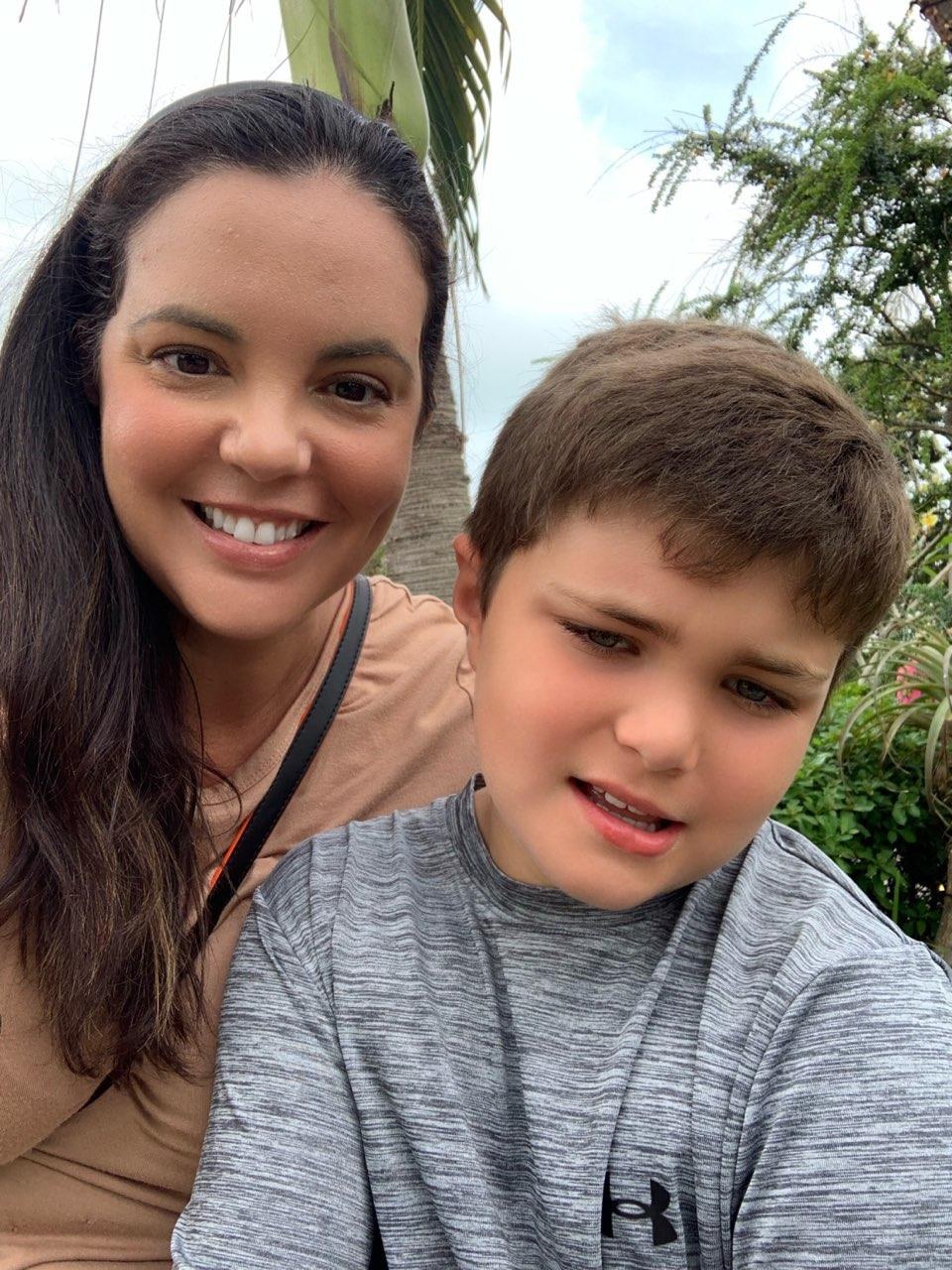
    For most of us, the school year is among us! Let’s be honest because I know the feeling. If you are anything like our family with an autistic, non-verbal child you may be feeling a mixture of relief and apprehension. Summer was very challenging due to the disruption of routine and inconsistency of specialized services like camps and therapies. However, the return to school has been a beacon of hope, offering structure, consistency, and the chance for our Robert to thrive in a supportive environment.  

    For us routines are crucial! The predictability and structure that routines provide really help reduce anxiety and make transitions smoother. The week before school started, we began reintroducing school-related routines at home. Here is what worked for us: 

    • Morning Routines: Set a consistent wake-up time, practice getting dressed, and eat breakfast at the same time each day. 
    • Evening Routines: Reinstated bedtime routines, such as setting out clothes for the next day, winding down with a calming activity, and having a consistent bedtime. 
    • Practice School Activities: We participated in the school’s open house; we practiced what the drop off would look like in the morning or simulated classroom activities to help your child feel more comfortable. 

    Before the school year began, I personally reached out to the teachers, aides, and any relevant staff to discuss Robert’s specific needs. Shared any insights about what worked well last year and what didn’t. Some of which included: 

    • Communication Preferences: Robert has a communication device, two sign languages symbols, he points and gestures. This was the staff is familiar with his communication preferences. 
    • Sensory Needs: Discussed that Robert enjoys playing with water, so he will likely stop at every water fountain. He likes putting objects in his mouth, so cleanliness is important. 
    • Behavioral Strategies: Shared effective strategies to help manage behaviors that might arise due to anxiety, frustration, or overstimulation. 
    • Comfort Items: Allow your child to bring a familiar item from home, such as a favorite toy or a piece of clothing, to provide comfort during the school day. 

    The first few weeks of school might come with challenges but staying involved and patient will make a significant difference. Keep in regular contact with your child’s teachers, celebrate small successes, and be gentle with yourself and your child as you both adjust. After school, having a consistent way to check in with your child is super helpful. Whether through a communication device, visual aids, or simply observing their behavior. Try to keep track of your child’s progress and communicate regularly with teachers to ensure they’re receiving the support they need. 

    Conclusion 

    Returning to school after a long summer can be a daunting transition or a reprieve from what I considered chaos and inconsistency. But with preparation, communication, and a focus on routines, you can help your non-verbal autistic child not only adjust but thrive. Remember, you’re not alone on this journey even though it feels like we are, lean on your family, friends and the school staff to ensure a smooth and successful start to the school year. Wishing everyone a year filled with growth, learning, smooth transitions and joyful routines! 

  • Happy Foundation Friday! Celebrating a Milestone and Urging Continued Support

    Happy Foundation Friday! Celebrating a Milestone and Urging Continued Support

    Happy Foundation Friday to all our supporters and community members! Today, we are thrilled to announce a significant milestone in our mission to empower non-verbal autistic children: we have successfully provided 100 Augmentative and Alternative Communication (AAC) devices to families in need across the United States and Canada. This achievement is a testament to the generosity of our donors and the tireless dedication of everyone involved in our foundation.

    Our Remarkable Achievement:

    Since our inception, our foundation has been committed to helping non-verbal autistic children communicate more effectively and engage with the world around them. Each AAC device we provide opens up new possibilities for these children, giving them a voice and a way to express their needs, thoughts, and feelings. We are proud to have reached 100 families, transforming lives and fostering greater inclusion and understanding.

    100% of Donations Go to Operating Expenses:

    One of the cornerstones of our foundation is our commitment to transparency and integrity. Unlike many organizations, we do not draw a salary or any form of compensation from the foundation. Every single dollar donated goes directly towards operating expenses, ensuring that your contributions make the maximum impact. Your donations fund the purchase and distribution of AAC devices, training materials, and support services for families.

    The Urgent Need for Donations:

    While we celebrate this milestone, we also face an urgent need for continued financial support. Our ability to provide these life-changing devices relies entirely on the generosity of donors like you. Even small donations can make a big difference in ensuring that we can continue our mission. Every contribution helps us reach more families, reducing the waiting time for those in need.

    How You Can Help:

    • Donate Today: Please consider making a donation, no matter how small. Every dollar counts and brings us closer to helping another child find their voice. You can donate here.
    • Spread the Word: Share our mission with your friends, family, and social networks. The more people know about our work, the more support we can garner.
    • Corporate Support: If you or your friends work for a company that supports charitable causes, please forward this information to your employer. Corporate donations and sponsorships are crucial in helping us sustain and expand our services. We currently do not have any corporate sponsors. We rely on our own funds as well as donations from our supporters. A corporate sponsorship would be huge for us.

    Conclusion:

    As we celebrate our achievements, we are reminded of the ongoing need for support to continue our vital work. Your donations, whether large or small, are the lifeblood of our foundation. Together, we can ensure that every non-verbal autistic child has the opportunity to communicate and thrive. Thank you for your continued support and dedication to our cause.

  • The Importance of High-Visibility Clothing for Non-Verbal Autistic Children in Crowded Places

    The Importance of High-Visibility Clothing for Non-Verbal Autistic Children in Crowded Places

    When taking non-verbal autistic children to crowded places such as amusement parks or community events, it’s crucial to ensure their safety and visibility. Wearing bright and easily identifiable clothing is one essential strategy to manage the risks associated with such environments. This blog post explores why high-visibility clothing is vital and offers practical tips to enhance the safety of these outings.

    Why High-Visibility Clothing is Important:

    • Easy Identification: Bright clothing makes it easier for parents and caregivers to keep visual contact with their children in crowded places.
    • Safety in Crowds: In case of separation, it is easier for others, including emergency personnel, to spot a child wearing bright clothing.
    • Reduced Risk of Elopement: Many children with autism may exhibit elopement behaviors; vivid clothing helps in quickly locating them if they wander off.

    Practical Tips for Outfitting Your Child:

    • Choose Bright Colors: Opt for neon or high-contrast colors like bright yellows, oranges, or greens.
    • Use Reflective Materials: Incorporate clothing or accessories with reflective materials, especially useful during evening outings.
    • Consistency in Clothing: Whenever going to potentially crowded environments, dress your child in a specific bright outfit that they and others will easily recognize.

    Incorporating Sensory Preferences:

    Understand your child’s sensory preferences and tolerances. Some children might be sensitive to certain fabrics or fits. Select comfortable clothes that meet both sensory needs and visibility requirements.

    Communication Aids:

    Ensure that your child carries an Augmentative and Alternative Communication (AAC) device, especially in public settings. This can be crucial for them to express their needs or identify themselves if they get lost.

    Conclusion:

    Dressing non-verbal autistic children in high-visibility clothing is a straightforward yet effective measure to enhance their safety in public spaces. Coupled with constant supervision and communication tools, it forms a comprehensive approach to ensuring their well-being during outings.

    For further detailed strategies and personal stories, exploring resources like Autism Speaks can provide additional insights and community experiences related to managing autism in various environments.

  • Sensory-Friendly Birthday Celebrations for Non-Verbal Autistic Children

    Sensory-Friendly Birthday Celebrations for Non-Verbal Autistic Children

    As Robert nears his 11th (!) birthday, trying to plan a party for him is incredibly challenging and can be frustrating. Celebrating a birthday should be a joyous occasion for every child, including those with autism. For non-verbal autistic children, creating a sensory-friendly environment at a venue like a children’s museum, bouncy house, splash park, or trampoline park can ensure they fully enjoy their special day. This blog post provides practical tips for planning such a party and includes insights from various resources that cater to the unique needs of autistic children.

    Choosing the Right Venue:

    A children’s museum or an activity center with a bouncy house or trampoline park can be an excellent venue for hosting a sensory-friendly birthday party. These places often offer private event options which allow for controlled environments and can be set up to meet sensory needs:

    • Children’s Museums typically have exhibits and activities that are already designed to be engaging and educational without overwhelming the senses.
    • Bouncy Houses and Trampoline Parks can provide physical activities that are enjoyable and can be enjoyed in a sensory-friendly manner, with adjustments like reduced noise and controlled lighting.
    • Splash Parks are one of Robert’s favorite places to go! The sound of the water is very soothing for him. It’s also a great time of the year to splash around and cool off!

    Invitations and Expectations:

    When sending out invitations, provide clear information about the sensory-friendly nature of the party and the venue. Include a brief explanation of what adjustments will be made to accommodate all children’s needs and any information about the venue that would be helpful for parents preparing their children for the event.

    Decorations and Atmosphere:

    Choose decorations that are visually pleasing without being overstimulating. If the party is at a venue like a children’s museum, you may not need much decoration at all, as the setting itself is engaging enough for the children.

    Activities and Entertainment:

    Choose activities appropriate for the venue that cater to various sensory needs and preferences. If the venue is a trampoline park or bouncy house, ensure there are times when noise is minimized and the number of participants is controlled.

    Food and Dietary Considerations:

    Provide a variety of simple, non-messy snacks that cater to different dietary needs and preferences. Venues like children’s museums often have designated eating areas where food can be managed according to each child’s needs.

    Give Kids A Voice is committed to supporting non-verbal autistic children by providing them with AAC devices to help them communicate effectively. These devices are crucial in settings like birthday parties, where clear communication can significantly enhance the child’s experience. To request an AAC device for your child or to support our mission with a donation, please visit our device request page or our donation page.

    Conclusion:

    Planning a sensory-friendly birthday party at a venue like a children’s museum or a trampoline park provides a fantastic opportunity for non-verbal autistic children to celebrate their special day in a way that is comfortable and enjoyable for them and their friends. By taking into account the unique needs of these children, you can create an inclusive celebration that will be remembered fondly by all attendees.

    Feel free to leave a comment below about your experiences with your child’s birthdays!

  • The Summertime Struggle: Challenges Faced by Parents of Non-Verbal Autistic Children

    The Summertime Struggle: Challenges Faced by Parents of Non-Verbal Autistic Children

    As the school year winds down and the promise of summer beckons, many families eagerly anticipate vacations, outdoor activities, and the freedom from rigid schedules. However, for parents of autistic, non-verbal children, summer can bring a unique set of challenges that transform this season of relaxation into a period of heightened stress and anxiety.

    The Quest for Specialized Summer Camps

    One of the most significant difficulties faced by these parents is the scarcity of specialized summer camps that cater to the needs of non-verbal autistic children. Typical summer camps are often ill-equipped to handle the unique requirements of these children, who may need individualized attention, specific communication aids, and environments that minimize sensory overload. The limited availability of appropriate camps forces many parents into a relentless search, often beginning months in advance and involving lengthy applications, interviews, and waiting lists.

    Financial Burdens

    When a suitable camp is found, it often comes with a hefty price tag. Specialized camps that provide the necessary support and accommodations are typically more expensive than mainstream camps. Many families find themselves grappling with the financial burden of securing a place in such a camp, which can add significant strain to already tight budgets. In cases where multiple children are involved, balancing the costs becomes even more challenging.

    Inadequate Support Systems

    The support systems that parents rely on during the school year, such as trained teachers, therapists, and aides, often become unavailable during the summer months. This abrupt loss of a structured support network can leave parents feeling isolated and overwhelmed. The consistency and routine provided by school settings are crucial for non-verbal autistic children, and the lack of these familiar structures can lead to increased anxiety and behavioral issues.

    Balancing Work and Caregiving

    Many parents of non-verbal autistic children face the difficult task of balancing their professional responsibilities with the demands of full-time caregiving. During the school year, parents can often work during school hours. However, during the summer, the absence of school means that parents must either find alternative care arrangements or reduce their work hours, leading to potential loss of income and career advancement opportunities. The challenge is compounded by the need to find caregivers who are adequately trained to manage the specific needs of their children.

    The Emotional Toll

    The emotional toll on parents cannot be understated. Watching their children struggle to adapt to new environments, witnessing their frustration with communication barriers, and dealing with public misunderstandings and judgments can be heartbreaking. The lack of inclusive activities and social opportunities for their children can also lead to feelings of isolation and helplessness. For many parents, summer is not a time of respite but a period of constant vigilance and advocacy.

    Strategies for Coping

    Despite these challenges, many parents develop strategies to cope with the summer months:

    Home-Based Activities: Creating a structured schedule of home-based activities that cater to their child’s interests and sensory needs can provide a semblance of routine.

    Community Resources: Exploring local community resources, such as specialized therapy centers or inclusive recreational programs, can offer additional support.

    Support Groups: Connecting with other parents in similar situations through support groups, both online and offline, can provide emotional support and practical advice.

    Respite Care: Seeking out respite care services, where trained caregivers provide temporary relief, can give parents much-needed breaks to recharge.

      Conclusion

      The challenges faced by parents of non-verbal autistic children during the summer are multifaceted and profound. The lack of specialized camps, financial constraints, inadequate support systems, and the difficulty of balancing work and caregiving responsibilities all contribute to a stressful and demanding season. However, with resilience, creativity, and a strong support network, many parents find ways to navigate these difficulties and create positive summer experiences for their children. Advocacy for more inclusive and affordable summer programs remains crucial to ensure that all children have the opportunity to enjoy and thrive during the summer months.

    1. The Critical Importance of Supervising Non-Verbal Autistic Children Near Water

      The Critical Importance of Supervising Non-Verbal Autistic Children Near Water

      As the pool and beach season nears, water safety is a crucial concern for all parents, but for those with non-verbal autistic children, the stakes are even higher. Due to their unique challenges, these children are at a significantly increased risk of drowning. This blog post explores this issue and offers strategies to help keep these vulnerable children safe.

      Understanding the Risks:

      Research indicates that children with autism are up to 160 times more likely to experience drowning incidents than their neurotypical peers. This heightened risk is partly due to their tendencies to wander and their attraction to water. Moreover, sensory processing issues can make water environments particularly hazardous for children with autism.

      Preventative Measures:

      • Supervision: Constant, vigilant supervision is essential when non-verbal autistic children are near water. This includes pools, ponds, lakes, and the ocean.
      • Secure Environments: Ensuring that home pools are surrounded by a high, non-climbable fence with a self-latching gate can prevent unsupervised access to water.
      • Communication and Behavior Strategies: Work on communication that helps your child understand the dangers associated with water and what to do in an emergency. For non-verbal children, using visual aids or AAC devices can be particularly effective.
      • Safety Training: Teach water safety and swimming skills in a controlled environment. Look for programs specifically designed for children with autism.

      Community and Education:

      Educating friends, family, and neighbors about the risks and the necessary precautions can further safeguard a child. Community awareness programs can help by providing resources and training on how to interact and assist in emergencies.

      For further insights into the dangers associated with water and autism, as well as additional safety tips, please refer to detailed articles on Stop Drowning Now and HealthyChildren.org.

      Additionally, the recent tragic story of a father who died while saving his non-verbal autistic 4 year old child from drowning highlights the critical need for awareness and preparedness in such situations. You can read more about this tragic incident on NBC-2.

      Conclusion:

      This blog post aims to raise awareness and provide actionable advice to help prevent drowning incidents, ensuring that non-verbal autistic children can enjoy a safer environment around water.

    2. Mother’s Day Appreciation: Celebrating the Strength of Mothers with Non-Verbal Autistic Children

      Mother’s Day Appreciation: Celebrating the Strength of Mothers with Non-Verbal Autistic Children

      This Mother’s Day, we shine a spotlight on the incredible mothers, especially single moms, who face the unique challenges of raising non-verbal autistic children.

      The Unique Challenges:

      Raising a non-verbal autistic child often involves navigating a complex world of emotional and communicative barriers. Surveys show that the rate of divorce in families with a child with disabilities may be as high as 87%. The divorce rate in families with a child with autism is about 80%.

      How AAC Devices Help:

      At Give Kids A Voice, we equip families with AAC devices to bridge the communication gap.

      The Impact of AAC Devices:

      • Enhanced Communication: AAC devices facilitate clearer communication, reducing frustration for both children and mothers.
      • Empowerment and Independence: These devices empower children to participate more actively in daily activities and social interactions.
      • Support for Moms: These tools offer mothers peace of mind, knowing their children can express themselves safely and effectively.

      Stories of Hope and Resilience:

      Emma’s Story: Emma shares how an AAC device has been a game-changer for her son, Jake.

      Maria’s Journey: Maria describes the relief and support the devices have provided for her twin girls.

      Celebrating Mother’s Day:

      This Mother’s Day, we honor these heroic mothers who do extraordinary things every day. Parenting a non-verbal autistic child is extremely challenging, and we are here to help!

      Conclusion:

      Mothers of non-verbal autistic children embody a strength that deserves recognition not just on Mother’s Day but every day. Give Kids A Voice is committed to supporting these families.

    3. Recognizing Non-Verbal Autism: Signs and Communication Strategies

      Recognizing Non-Verbal Autism: Signs and Communication Strategies

      Happy Foundation Friday! Today, we delve into an essential topic in the autism community—recognizing non-verbal autism. Many individuals with non-verbal autism are often misunderstood because their signs of autism are not widely recognized. This post aims to shed light on these signs and discuss how everyone can better understand and support non-verbal individuals.

      Understanding Non-Verbal Autism:

      Non-verbal autism does not mean a lack of communication. Instead, it signifies that verbal speech is not the primary mode of expression. Individuals with non-verbal autism might use various forms of communication like gestures, using picture boards, echolalia (repeating phrases or sounds they’ve heard), or digital devices like those provided by Give Kids A Voice.

      Signs of Non-Verbal Autism:

      • Limited Use of Verbal Language: Individuals may not use verbal language for communication. Instead, they might rely on sounds, gestures, or alternative communication aids.
      • Echolalia: Repeating words or phrases heard from others, which can be a method of processing information or a way to communicate.
      • Difficulty with Eye Contact and Gestural Communication: Challenges in maintaining eye contact or using conventional gestures for communication.
      • Reliance on Alternative Communication Methods: Using AAC devices, picture cards, or sign language to communicate needs, thoughts, and emotions.
      • Limited Facial Expressions: May not use a wide range of facial expressions to convey emotions, which can make understanding their feelings challenging.

      How to Support Non-Verbal Individuals:

      • Educate Yourself and Others: Learning about non-verbal communication forms can dramatically improve interactions.
      • Be Patient: Understanding and interpreting non-verbal cues take time and patience.
      • Use Clear Visual Aids: Visual supports can be incredibly helpful, such as using symbols or pictures to convey messages.
      • Encourage Use of AAC Devices: Support the use of AAC devices that allow for more straightforward and more effective communication.

      Conclusion:

      Awareness is the first step towards inclusion. By understanding the signs of non-verbal autism and how to communicate effectively with individuals who are non-verbal, we can create a more inclusive and supportive environment for everyone.

    4. Fostering Autism Awareness in the Hospitality Industry: A Call to Action for Large Corporate Hotels and Restaurant Chains

      Fostering Autism Awareness in the Hospitality Industry: A Call to Action for Large Corporate Hotels and Restaurant Chains

      As we celebrate strides in autism awareness, there remains a pressing need to extend understanding into every corner of society, including the hospitality industry.

      Recognizing the Unseen:

      Autistic children often appear no different than their neurotypical peers, which can lead to misunderstandings, especially in social settings like hotels.

      The Role of Big Companies:

      Large companies have the power to set industry standards. By implementing training programs, they can ensure their staff are equipped to provide the necessary support to autistic guests.

      Training for Understanding:

      Educational initiatives focused on the spectrum of behaviors and needs associated with autism can empower staff to interact more effectively and compassionately.

      Creating a Safe Space:

      The hospitality industry can take simple yet powerful steps to become more inclusive, such as offering quiet zones, clear signage, and visual aids.

      Collaboration with Experts:

      Companies like Marriott can collaborate with organizations like Give Kids A Voice to develop best practices. By utilizing resources such as AAC devices, the hospitality industry can improve communication and service for non-verbal autistic guests.

      Conclusion:

      The commitment of large companies to autism awareness can catalyze a shift towards a more inclusive society. It’s time for leading companies to embrace this call to action and become champions of autism awareness.