Author: Robert Norton Foundation

  • Let’s Talk About the Quiet Part Out Loud: The Nervous System of a Special Needs Parent

    There is a silent physiological reality many autism and special needs parents live with every single day — a nervous system that rarely gets the chance to fully rest.

    To the outside world, it may look like “stress.”
    But inside the body, it is often something much deeper:
    chronic hypervigilance, nervous system dysregulation, emotional overload, and prolonged survival mode.

    Science is finally beginning to validate what so many parents have carried quietly for years.

    Studies have consistently found that parents of children with autism experience significantly higher levels of stress, anxiety, depression, and nervous system dysregulation than parents of neurotypical children. Researchers studying cortisol — the body’s primary stress hormone — discovered that many mothers of autistic children show stress patterns similar to individuals exposed to chronic traumatic stress.

    In chronic stress, the nervous system can become trapped in a cycle of: hyper-alertness, emotional exhaustion, disrupted sleep, anxiety, physical inflammation, burnout, emotional numbness…

    This happens because the body was never designed to stay “on” indefinitely.

    Yet special needs parents often do.

    They become experts in anticipating meltdowns, decoding behaviors, fighting for services, navigating therapies, advocating at schools, monitoring safety concerns, managing sensory triggers, and preparing for worst-case scenarios before the day even begins.

    Their nervous systems adapt to survive uncertainty.

    And over time, survival becomes their baseline.

    But one of the least talked about realities is what happens as our children grow older.

    Because while there is often more support for younger children, many families discover that services begin disappearing as children enter the pre-teen and teenage years.

    And suddenly, parents are left asking:
    Where do our children belong?

    There are little to no inclusive daycare options for older autistic children and teens.
    Summer camps are limited, unaffordable, or unable to accommodate complex needs.
    Extracurricular activities often lack trained staff or true inclusion.
    Social opportunities become fewer and farther between.

    While other families may gain independence as their children grow older, many autism and special needs parents experience the opposite.

    The caregiving intensifies.

    The supervision deepens.

    The fears become heavier.

    Because now we are not only managing therapies and school meetings — we are trying to help our children build identity, confidence, purpose, and belonging in a world that was not designed with them in mind.

    How do we help them discover joy?
    Friendship?
    Independence?
    Purpose?

    How do we create opportunities that barely exist?

    And while carrying all of this emotionally, families are simultaneously balancing, the day-to-day operations of a household, the emotional needs of other children, financial pressure, care giving exhaustion, transportation, appointments, therapies,rising costs of everyday life,etc.

    Then comes the question so many parents silently carry:

    How are we supposed to earn an income on top of it all?

    Traditional employment often does not account for the unpredictability of special needs parenting:
    -the emergency school pickups,
    -the sleepless nights,
    -the therapies during work hours,
    -the constant advocacy,
    -the burnout,
    -the lack of reliable respite care.

    Many parents are forced into impossible choices:
    career or caregiving,
    income or presence,
    survival or stability.

    Some leave careers they worked years to build.
    Others attempt to work late into the night after caregiving responsibilities finally quiet down.
    Many live in a constant cycle of guilt — feeling torn between providing financially and being emotionally available.

    And beneath all of it lives another layer of nervous system exhaustion:
    the mental load.

    The endless planning.
    The remembering.
    The anticipating.
    The preparing.
    The worrying about the future.

    Who will care for our children one day?
    Will they be accepted?
    Will they have community?
    Will they ever truly belong?

    This is the invisible labor few people see.

    And yet despite carrying a level of responsibility that would overwhelm most nervous systems, these parents continue showing up every single day.

    They create magic out of limitation.
    They build routines out of chaos.
    They celebrate milestones others may overlook.
    They become safe places for children navigating a world that often misunderstands them.

    Science may explain the biological impact of chronic caregiving stress — but it cannot fully measure the depth of a parent’s resilience.

    Because even in exhaustion, love continues.

    And maybe that is the most extraordinary thing of all.

  • Happy Mother’s Day

    “A mother’s love endures through all.” — Washington Irving

  • Grateful, Inspired, and Completely Mind-Blown: My Experience at the Autism Health Summit

    Grateful, Inspired, and Completely Mind-Blown: My Experience at the Autism Health Summit

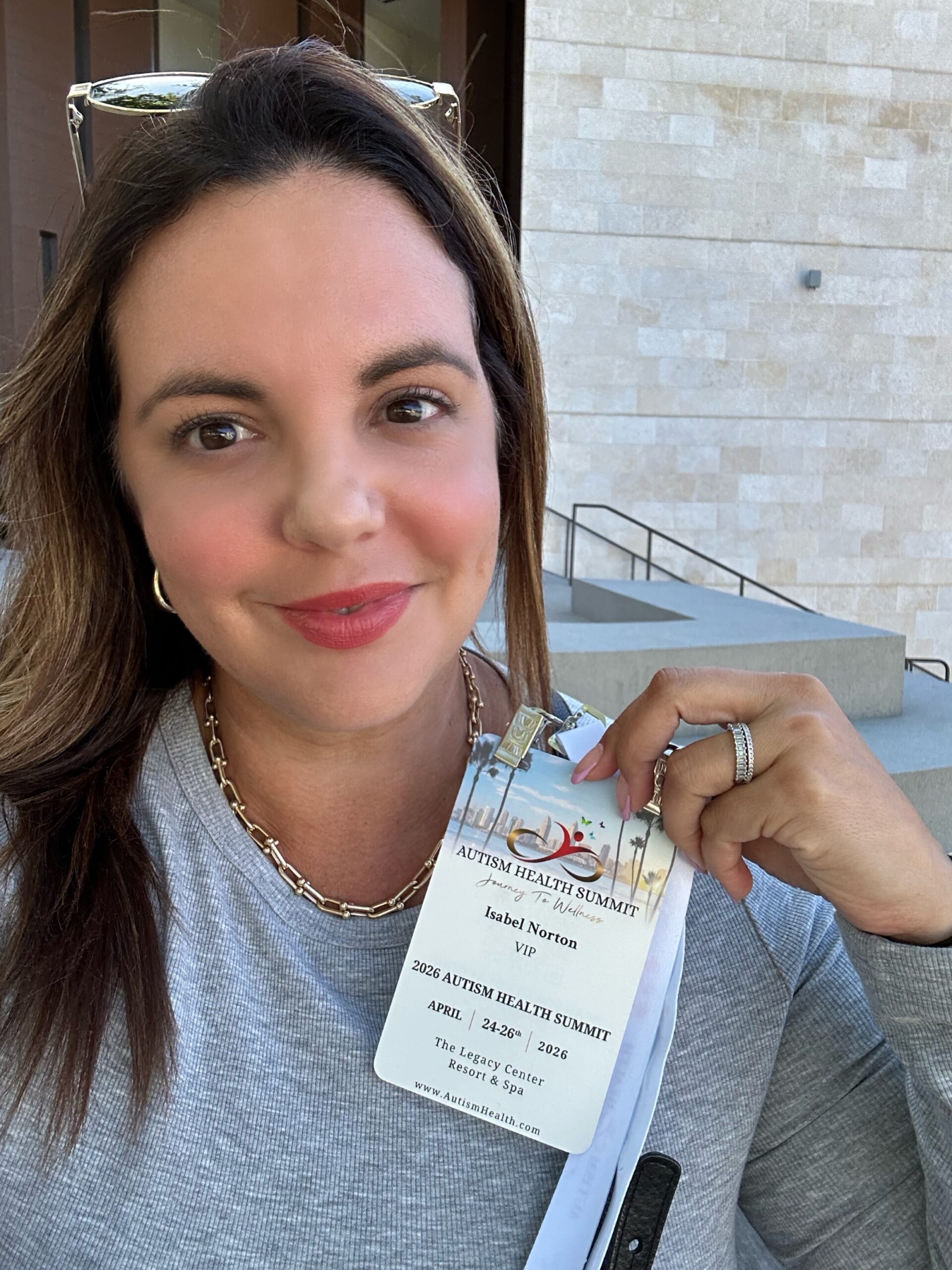
    Last week, I had the opportunity to attend the Autism Health Summit in San Diego—and I’m still trying to put into words what the experience meant to me.

    The best way I can describe it is this: I walked in hopeful… and walked out completely mind-blown.

    But more than anything, I left feeling deeply grateful.

    Grateful for access.
    Grateful for knowledge.
    Grateful to be in a room filled with people who truly get it.

    As a parent navigating the world of autism—especially with a nonverbal child—so much of the journey can feel isolating. You spend countless hours researching, advocating, questioning, and trying to piece together what’s best for your child. And often, it feels like you’re doing it alone.

    This summit reminded me that we are not alone.

    There were parents, practitioners, researchers, and advocates all in one place, sharing information that felt not only powerful—but empowering. I found myself constantly thinking, “Why isn’t everyone hearing this?”

    The amount of knowledge I was exposed to in just a few days was overwhelming in the best way possible. From communication strategies and emerging therapies to deeper conversations about whole-body health, regulation, and individualized care—it opened my eyes to possibilities I hadn’t even considered before.

    There were moments I had to just pause and take it all in.

    Moments where things clicked.

    Moments where I felt hope expand in a way I didn’t expect.

    And if I’m being honest, there were also moments where I felt a little frustrated—realizing how much information isn’t always readily accessible to families who need it most. But even that feeling has shifted into motivation. Because now that I’ve seen what’s possible, I feel an even stronger pull to share, to connect, and to help other parents access these tools and insights.

    That’s the real takeaway for me.

    This wasn’t just an event. It was a turning point.

    It reminded me that there is always more to learn, more to explore, and more ways to support our children beyond what we may have originally been told or shown. It reinforced the importance of staying curious, asking questions, and advocating fiercely—but also staying open.

    Open to new ideas.
    Open to different approaches.
    Open to hope.

    I left San Diego not just with notes and resources—but with a renewed sense of purpose.

    A desire to take what I’ve learned and turn it into something meaningful for other families walking a similar path.

    Because access to this kind of information shouldn’t feel rare or out of reach.

    It should be shared.

    And I intend to do exactly that.

    If there’s one thing I carry with me from this experience, it’s this:

    We are more powerful, more connected, and more capable than we sometimes realize.

    And when we come together—when knowledge is shared openly and generously—it has the power to change everything.

    I’m incredibly thankful I got to be part of it.

    And this is just the beginning.–

  • Water Safety and Communication: Saving Lives for Children with Autism

    Water Safety and Communication: Saving Lives for Children with Autism

    For families of children with autism, water can be both a source of joy and a serious risk. In Florida, where pools, lakes, and beaches are everywhere, water safety is an urgent issue, especially for children with autism who are statistically more vulnerable.

    According to the National Autism Association, drowning is the leading cause of death for children with autism. In fact, autistic children are 160 times more likely to die from drowning than their typically developing peers. In the Tampa Bay area alone, heartbreaking cases have made headlines over the past several years—children with autism slipping away from caregivers for only a few moments and tragically losing their lives to drowning.

    Many of these children are nonverbal, which means they cannot call out for help, explain if they are lost, or tell someone they are in danger. This is where access to communication devices can make the difference between life and death. By giving a child a voice—through an AAC (Augmentative and Alternative Communication) device—we can reduce frustration, improve awareness, and even allow them to ask for help in emergencies.

    At the Robert Norton Foundation, we believe that communication is safety. When a child has the tools to express themselves, their world opens up! Not just emotionally and socially, but physically, too. Pairing water safety education with access to communication devices can literally save lives.

    What Parents Can Do:

    Prioritize water safety lessons. Many organizations in Tampa Bay offer adaptive swim lessons for children with special needs.

    Never let your guard down around water. Even a small body of water, like a retention pond or backyard pool, can be dangerous.

    Consider an AAC device. Giving your child a way to express themselves can help reduce wandering, anxiety, and unsafe behaviors near water.

    How You Can Help

    At the Robert Norton Foundation, we provide communication devices to nonverbal children with autism, helping families who otherwise could not afford them. These devices are more than technology, they’re a lifeline.

    With your support, we can reach more families in Tampa Bay and beyond.

    Donate today to help provide a device for a child in need.

    Partner with us to bring water safety and communication awareness into your community.

    Share our mission to spread the word that communication saves lives.

    Together, we can prevent tragedies and create a safer, more connected future for children with autism.

  • World Autism Awareness Day: Empowering Non-Verbal Autistic Children to Communicate

    World Autism Awareness Day: Empowering Non-Verbal Autistic Children to Communicate

    Every year on April 2nd, the world unites to celebrate World Autism Awareness Day, a global initiative to raise understanding and acceptance of individuals with autism spectrum disorder (ASD). At givekidsavoice.org, we’re shining a spotlight on a group often overlooked: non-verbal autistic children. These children face unique challenges in expressing themselves verbally, which can lead to isolation, frustration, and barriers to learning and connection.

    But there’s hope. Our communication devices—known as Augmentative and Alternative Communication (AAC) tools—offer these children a voice. On this World Autism Awareness Day, join us as we explore the growing need for support, share critical data, and invite you to help millions of non-verbal autistic children communicate.

    What Is Non-Verbal Autism?

    Non-verbal autism describes individuals with ASD who struggle significantly with spoken language. Some may understand words but cannot speak them, while others have no verbal communication at all. Approximately 25-30% of children with autism are non-verbal or minimally verbal, facing daily hurdles in expressing basic needs like hunger, feelings, wants, needs, or comfort.

    A Growing Crisis: 1 in 220 Children

    The numbers are staggering: the diagnosis of non-verbal autism is now 1 in 220 children. In the United States, with about 73 million children under 18, this means over 330,000 kids need tools to communicate. Globally, the scope is even larger. With an estimated 2.3 billion children worldwide, the 1 in 220 prevalence suggests that approximately 10.5 million children are living with non-verbal autism—millions of whom could benefit from devices like ours.

    The prevalence of autism overall has surged over the years, amplifying the need for action. The Centers for Disease Control and Prevention (CDC) reports that ASD diagnoses have climbed from 1 in 150 children in 2000 to 1 in 54 in 2020. This trend underscores the urgency of supporting non-verbal children within this growing population.

    How Our Devices Transform Lives

    Our AAC devices empower non-verbal autistic children to communicate. These tools help them share their thoughts, join classroom discussions, and bond with family and friends. Beyond words, they foster independence, confidence, and inclusion.

    At givekidsavoice.org, we provide these life-changing devices to families who can’t afford them or do not have access to them, ensuring that every child has a chance to be heard.

    Help Us Reach Millions—Donate Today

    This World Autism Awareness Day, you can change lives. With 10.5 million non-verbal autistic children worldwide needing help to communicate, your donation to givekidsavoice.org will fund our devices for those in need. Whether it’s a child saying “I’m happy” for the first time or a parent understanding their child’s wishes, your support makes it possible.

    Donate Now and help us give a voice to millions.

    Together, we can ensure that no child remains silent. Thank you for standing with us.

  • Navigating Puberty: Supporting a Pre-Teen Autistic Non-Verbal Child Through Change

    Navigating Puberty: Supporting a Pre-Teen Autistic Non-Verbal Child Through Change

    Puberty is a challenging time for any child, but for a pre-teen who is autistic and non-verbal, it can be particularly overwhelming. The physical, emotional, and hormonal changes happening inside their body can be confusing, especially when they struggle to express their feelings or ask questions. As parents, it’s crucial to provide guidance, reassurance, and strategies to help them navigate this stage with as much comfort and understanding as possible.

    Understanding Their Perspective

    A non-verbal autistic child may experience puberty without fully understanding why their body is changing. They might notice new physical sensations, increased emotions, or unfamiliar social expectations, leading to anxiety, frustration, or meltdowns. Since communication challenges can make it harder for them to ask questions, they may react to changes in ways that appear out of character.

    Some common struggles include:

    Increased anxiety or mood swings due to hormonal fluctuations

    Heightened sensory sensitivities (to touch, smell, and sound)

    Difficulty understanding or accepting hygiene routines

    Frustration with changes in physical appearance and bodily sensations

    Increased need for structure and predictability

    How Parents Can Help

    1. Use Visual Supports and Social Stories

    Visual aids, social stories, and step-by-step guides can help your child understand what is happening to their body. Create a visual schedule for hygiene routines and use picture cards to explain puberty-related changes in a way that is clear and predictable.

    2. Maintain Routine and Predictability

    With so many unfamiliar changes occurring, keeping daily routines as consistent as possible can provide a sense of stability. If changes to their hygiene routine are necessary, introduce them gradually and reinforce them with positive reinforcement.

    3. Teach Hygiene and Self-Care in a Structured Way

    Break hygiene tasks into small, manageable steps. Demonstrating proper techniques for deodorant application, shaving, or menstrual care through visuals or hands-on practice can help ease anxiety. Use timers or checklists to make new tasks more predictable.

    4. Address Sensory Sensitivities

    Puberty often heightens sensory sensitivities. Finding sensory-friendly hygiene products, such as unscented deodorants or soft-textured clothing, can help make the transition more comfortable. Allowing your child to explore different options in a controlled, low-stress environment can help them adjust more easily.

    5. Help Them Express Emotions in Alternative Ways

    Since your child may struggle to verbalize their emotions, provide alternative communication methods such as AAC devices, emotion charts, or simple sign language. Encourage them to use these tools to express discomfort, anxiety, or confusion.

    6. Reinforce Body Autonomy and Safety

    Teach your child about personal space, privacy, and safe touch in a way they can understand. Use clear and simple language, visual cues, or videos to explain concepts like consent, private versus public behaviors, and the importance of seeking help if something feels wrong.

    7. Seek Support When Needed

    Puberty can be an emotional time for parents, too. Seeking guidance from therapists, educators, or support groups can provide reassurance and strategies that are tailored to your child’s needs. Connecting with other parents who are going through similar experiences can also be a great source of comfort.

    Final Thoughts

    Puberty is a time of significant transition, but with patience, structure, and open communication, parents can help their autistic non-verbal child navigate these changes with confidence. Every child experiences this stage differently, so being observant, flexible, and supportive is key. By creating a safe and understanding environment, you can help your child feel secure as they grow into this next phase of life.

  • Empowering Non-Verbal Autistic Children Through Sensory and Educational Toys for the Holidays!

    Empowering Non-Verbal Autistic Children Through Sensory and Educational Toys for the Holidays!

    Happy Holidays! Every child deserves the opportunity to explore, learn, and express themselves through play. For non-verbal autistic children, carefully chosen toys can become invaluable tools for communication, emotional regulation, and skill development. The right items can offer not only fun, but also meaningful ways to engage with the world, reduce stress, and foster creativity. Below, we’ve rounded up several popular and well-reviewed toys that may support children on the spectrum in feeling heard, understood, and empowered that would make great Holiday gifts!

    1. Sensory Stimulation for Calm and Focus

    Weighted Lap Pads and Plushes:
    Weighted items provide gentle, soothing pressure that can help reduce anxiety and improve focus. Consider the Harkla Weighted Lap Pad, designed with ultra-soft minky fabric and evenly distributed weight. Similarly, the Huggaroo Weighted Lap Pad Puppy offers comfort in a child-friendly design.

    Chewable Fidget Toys:
    For oral sensory needs, consider the ARK’s Y-Chew Oral Motor Chewy Tool or the fun, durable Chewy Necklaces. These tools promote self-regulation and can be helpful during moments of anxiety or sensory overload.

    2. Encouraging Communication and Interaction

    Augmentative and Alternative Communication (AAC) Devices:
    While not a toy, our AAC devices offer a simple and effective way for non-verbal children to communicate using pictures (PECS) and sound in both English and Spanish.

    Cause-and-Effect Toys:
    Toys like the Baby Einstein Glow & Discover Light Bar and the LeapFrog Scout’s Learning Lights Remote (one of Robert’s favorite toys!) are excellent for encouraging cause-and-effect learning, as they light up and make sounds when interacted with.

    3. Fine Motor Skills and Cognitive Development

    Building and Construction Sets:
    Encourage creativity and problem-solving with Magna-Tiles, an open-ended magnetic construction set. LEGO DUPLO blocks, like the LEGO DUPLO Town Modular Playhouse, are also perfect for developing fine motor skills while having fun.

    Sensory Puzzles and Games:
    Introduce the Melissa & Doug Sound Puzzle, a fun way to work on hand-eye coordination and cause-and-effect learning through auditory feedback.

    4. Comforting and Engaging Sensory Environments

    Liquid Motion Timers:
    These simple visual tools, like the Kiseer Liquid Motion Timer, offer calming sensory input and can help children regulate emotions during overwhelming moments.

    Indoor Sensory Swings:
    For a more immersive experience, the Harkla Indoor Therapy Swing is an excellent tool for sensory regulation and a fun way to relax during downtime (also one of Robert’s personal favorites!).

    Tips for Selecting Toys

    • Durability: Choose high-quality items that can withstand frequent use.
    • Safety: Look for age-appropriate toys made from non-toxic materials.
    • Adaptability: Opt for toys that grow with the child’s developmental stages.
    • Sensory Preferences: Observe what textures, visuals, or sounds the child enjoys most.

    Empowering Through Play

    At GiveKidsAVoice.org, we understand that communication and self-expression take many forms. Toys that cater to sensory needs and encourage cause-and-effect interactions can bridge the gap for non-verbal autistic children, helping them find their own “voice” in play. By thoughtfully selecting items that address comfort, engagement, and skill-building, you can help empower children to explore their world and communicate in the ways that feel most natural to them and enjoy the Holiday magic!

  • Navigating Hurricane Milton: Emotional and Mental Fatigue for Parents Is Real

    Navigating Hurricane Milton: Emotional and Mental Fatigue for Parents Is Real

    When Hurricane Milton made landfall on the east coast of Florida last week as a Category 3 storm, it wasn’t just the winds and rain that hit hard—it was the emotional, financial and mental toll on families, especially those with non-verbal autistic children. For many of us, managing the sensory overload that a hurricane brings, alongside our own fears and exhaustion, is a storm itself. 

    As parents of neurodivergent children, we already walk a delicate line between managing their emotional world and keeping ours in check. But throw in a natural disaster, and the challenges escalate to a whole new level. 

    The Storm Within the Storm 

    Hurricanes are noisy, unpredictable, and chaotic—everything that can trigger anxiety and sensory overload for an autistic child. For my son, Robert, who is non-verbal, these triggers manifest as restlessness, repetitive behaviors, and meltdowns. With no ability to communicate his distress due to power outages his emotions become physically overwhelming for both of us. 

    In those moments, when the storm rages outside, I have to summon all my strength to remain calm for him, even when I feel the panic rising within me. His eyes search for reassurance, and I have to offer it, even when I’m not sure how.  

    Balancing Safety and Emotional Needs 

    Keeping children safe is every parent’s primary goal during a hurricane, but for families like ours, safety has an additional layer. It’s not just about boarding up windows or stocking up on supplies—it’s about finding a way to create a sense of security in an environment that feels anything but. 

    During the storm, the anxiety isn’t just his—it’s mine too. I worry not only about the physical dangers but also the emotional ones. How can I keep him feeling calm when I am filled with dread? How can I ensure he’s entertained when there’s no electricity and we’re stuck indoors for what feels like forever? 

    The Reality of Fatigue 

    One of the hardest parts of parenting a neurodivergent child during a natural disaster is the emotional and mental fatigue that follows. Sleep becomes scarce as you stay alert to every sound, every change in his mood, and every shift in the storm’s path. You’re constantly on edge, not just because of the weather but because of the unpredictable behavior of your child, who can’t tell you what he’s feeling. 

    The exhaustion doesn’t just come from the physical efforts of keeping everyone safe but from the emotional toll of managing meltdowns, all while keeping your own fears at bay. It’s a balancing act—being a strong parent, an effective caregiver, and a calming presence when you’re struggling internally yourself. 

    The Challenge of Entertainment Without Electricity 

    When the power goes out, so do many of the tools we rely on to keep our children calm and entertained. In the case of Robert, routines are vital, and so much of his comfort comes from the familiar rhythms of life—his AAC device, his favorite videos, lights, and the hum of white noise in the background. Without these, we had to get creative, but creativity is tough when you’re tired.  

    I downloaded an app on my phone that acted as a sound machine. We used my hybrid vehicle to charge our devices as well as provide some reprieve from the heat. We ventured out of the house to the park and to get gas-which was an adventure on its own. It was an endless loop of trying to fill the space that the power outage had created. The lack of power may have been inconvenient for most, but for families like ours, it disrupted the foundation of routine, making it one of the most challenging aspects of the hurricane.  

    Finding Strength in Community 

    During times like these, it’s easy to feel isolated, but I’ve learned that community is essential. Whether it’s connecting with other parents of autistic children, reaching out to friends and family, or simply sharing stories of survival, we lean on one another. While we’re all weathering different storms, we understand the unique challenges of raising neurodivergent children in a world that isn’t always built for them. We were fortunate to have family who had power and were able to spend some quality time with them.  

    Hurricane Milton reminded me of the strength we have as parents and caregivers. The physical storm may have passed, but the emotional storm—of balancing our children’s needs with our own mental health—continues. We take it one day at a time, knowing that even in the most trying circumstances, we’re resilient, and our children, though non-verbal, teach us about strength in ways words never could. 

    Moving Forward 

    As we recover from the aftermath of the storm, both physically and emotionally, I hold onto the reminder that we’ve faced challenges before, and we’ve come through. While there is no perfect way to manage the stress of a hurricane with a neurodivergent child, what matters most is that we are doing our best—each meltdown soothed, each worry managed, each day survived. The storm may come and go, but our dedication to our children never wavers. 

    To every parent or caregiver out there facing similar struggles, remember that you are not alone. Our strength comes not just from weathering the storms but from the love we have for our children, even when the wind howls and the world feels like it’s falling apart. Together, we will get through this.  

  • The Reality of Single-Parent Households with a Child on the Autism Spectrum: Challenges and Gaps in Support

    The Reality of Single-Parent Households with a Child on the Autism Spectrum: Challenges and Gaps in Support

    Raising a child with autism spectrum disorder (ASD) brings immense rewards, but for single-parent households, the challenges can often feel overwhelming. From managing the everyday needs of a child with special needs to balancing work and caregiving, single parents often face an uphill battle. One of the most significant challenges is the lack of accessible after-school activities and specialized childcare, which adds stress to already demanding circumstances. In this post, we’ll explore the statistics of single-parent households with children on the autism spectrum, including those who are non-verbal, the impact of higher divorce rates, and the strain caused by limited support systems.

    Statistics on Non-Verbal Autism, Divorce Rates, and Single-Parent Households

    Autism is a spectrum, and for many children, communication can be one of the most significant hurdles. It is estimated that around 25–30% of children with autism are non-verbal, meaning they do not develop spoken language beyond a few words or may rely on alternative forms of communication such as sign language or augmentative communication devices. This adds another layer of complexity for parents, particularly single parents, who must navigate not only the social and developmental needs of their child but also find programs and care options that accommodate non-verbal communication.

    Divorce Rates in Families with Children on the Autism Spectrum

    Many families raising children with autism face significant stress, which can affect the stability of marriages. Although early reports suggested divorce rates as high as 80% for parents of children with autism, more recent studies offer a clearer perspective. Research from the Kennedy Krieger Institute in 2010 indicates that parents of children with autism have a divorce rate of about 24%, which is still 10% higher than the divorce rate of parents with neurotypical children (14.6%). While this rate is lower than once believed, it still reflects the added strain that comes with raising a child with autism.

    Around 25% of children with autism live in single-parent households, meaning many single parents must navigate the complexities of their child’s care and development on their own, often without the support or respite that two-parent households might provide.

    Challenges Faced by Single Parents of Children with Autism

    1. Limited Access to Childcare
      • Childcare is a major hurdle for single parents of children with autism, particularly for those whose children are non-verbal. Specialized childcare services that cater to children with communication difficulties are rare and expensive. According to a 2020 Autism Speaks study, 44% of parents of children with autism report quitting or significantly reducing work hours due to inadequate childcare options. The challenge of finding appropriate care is particularly acute for single parents who have fewer backup support systems.
    2. After-School Programs and Activities
      • After-school activities are critical for children’s social, emotional, and cognitive development. However, for children with autism, and particularly for those who are non-verbal, mainstream programs are often ill-equipped to meet their needs. A National Survey of Children with Special Health Care Needs found that only 28% of children with autism participate in extracurricular activities, compared to 60% of neurotypical children. Single parents are often left scrambling to find appropriate, affordable programs, which limits their ability to work or rest.
    3. Financial Strain
      • The financial burden of raising a child with autism is well-documented. The Autism Society estimates that the lifetime cost of supporting a person with autism ranges from $1.4 million to $2.4 million, including therapy, specialized education, and medical care. For single parents, the challenge is even greater as there is typically only one income to cover these significant costs. The added need for specialized care for non-verbal children, such as speech therapy and communication devices, further strains finances.
    4. Mental Health and Isolation
      • Single parents often face feelings of isolation, especially when their child has significant communication challenges like being non-verbal. Parents are not only responsible for advocating for their child in school and medical settings but also must cope with the emotional demands of raising a child who may have difficulty expressing themselves. A 2015 study from the Journal of Autism and Developmental Disorders revealed that parents of children with autism, especially those with more severe communication challenges, experience stress levels similar to combat soldiers. This emotional toll is exacerbated by social isolation, as single parents often lack the time and support to engage in self-care or social activities.
    5. Educational Challenges
      • Navigating the education system can be daunting, especially for parents of non-verbal children. Schools may not always offer the appropriate accommodations or understand the needs of non-verbal students, leaving parents to push for individualized education plans (IEPs) and speech therapy services. Single parents often have to balance these educational responsibilities with full-time caregiving and work, creating a constant juggling act.

    The Critical Need for After-School Programs and Childcare

    The lack of specialized after-school programs and appropriate childcare for children with autism, particularly those who are non-verbal, is one of the greatest challenges faced by single parents. Mainstream programs often lack the resources or trained staff necessary to accommodate children with ASD, especially those who need alternative forms of communication.

    Potential solutions include:

    • Specialized After-School Programs: There is a pressing need for more programs designed specifically for children with autism, especially non-verbal children, to ensure they have a safe, supportive environment for social and developmental growth.
    • Government Childcare Subsidies: Increased financial support from the government would enable single parents to afford specialized childcare services, which are often more expensive than mainstream options.
    • Staff Training in Mainstream Programs: Mainstream after-school and daycare programs could offer specialized training to their staff, allowing them to accommodate non-verbal children and other children with autism in a more inclusive environment.

    How Communities Can Help

    Supporting single-parent households with children on the autism spectrum, especially those with non-verbal children, requires a community effort. Some ways communities can provide support include:

    • Advocating for Local Programs: Parents and advocates can push for more government funding for after-school programs and childcare services that cater to children with autism and non-verbal needs.
    • Offering Respite Care: Community organizations can establish respite care services, allowing single parents to take much-needed breaks while their children are cared for by trained professionals.
    • Inclusive Social Activities: Schools and community centers can provide more inclusive activities and services that support children with a range of developmental needs, including those who are non-verbal.

    Conclusion

    Single-parent households with children on the autism spectrum, particularly non-verbal children, face extraordinary challenges. The higher divorce rates, financial strain, and emotional toll are compounded by a lack of specialized after-school programs and affordable childcare options. However, with more community support, better training, and increased funding for specialized care, we can alleviate some of these burdens and create a more inclusive and supportive environment for families raising children with autism. Here at the Robert Norton Foundation, we are doing the best we can to help by providing free AAC devices to families and children in need.