
Our application is completed! (YAY!!) We are beyond excited and proud to be able to annouce that our application is complete and we are ready to start helping families just like ours, give their children a voice.
We need your help! We are looking for 5 families who have non-verbal children to test our application. We have been using it in our home with Robert and it truly has made his life so much easier. He is able to communicate a lot more effectively which has led him to experiece less frustration.
Please send us an e-mail at info@givekidsavoice.org with your information so we can send you a device with the application. All we ask is that you send us a copy of the referral for speech therapy as well as a little information about your child so we can make sure we can get these devices in the hands of families who truly could benefit from them.
Thank you all for your continued support throughout this process as it has been a long one.
With much gratitude and excitment,
Isabel Norton
Author: Robert Norton Foundation
-

WE DID IT!!
-

Thriving Through Summer: Activities for Your Non-Verbal Autistic Child
When school breaks for summer, the long, free days can seem daunting for parents, particularly those of non-verbal autistic children. Finding ways to keep them entertained, engaged, and continuing to learn can feel like a challenging task. But fear not, summer can indeed be a time of fun, growth, and togetherness. Here are some suggestions for making the most out of your summer with your non-verbal autistic child.
1. Create a Routine
Autistic children often thrive on routine and predictability. Summer break disrupts the familiar school schedule, so it’s helpful to establish a new, flexible summer routine. This can include structured times for meals, play, rest, and learning activities.
2. Sensory Play Activities
Sensory play can provide comfort and joy to non-verbal autistic children. It allows them to explore and understand their senses in a controlled environment. Try incorporating the following activities:
- Sensory Bins: Fill a bin with materials like sand, water beads, rice, or kinetic sand. You can also add objects that cater to your child’s interests, like toy cars, seashells, or dinosaur figures.
- Water Play: Many autistic children enjoy water play. On hot summer days, set up a kiddie pool or a sprinkler for your child to enjoy. Always supervise water activities to ensure safety.
3. Outdoor Exploration
Spending time outdoors can be incredibly beneficial for children. It’s an opportunity for sensory experiences, physical exercise, and connection with nature. Activities can include:
- Gardening: Planting and caring for a garden can be very therapeutic. Your child can help water plants, pick weeds, or plant seeds.
- Nature Walks: Take regular walks in your local park or nature reserve. Encourage your child to explore different textures like grass, leaves, or tree bark.
- Outdoor Art: From chalk drawing on the sidewalk to painting rocks, outdoor art activities can be a great way to engage your child creatively.
4. Incorporate Music and Movement
Music can be a powerful medium to engage non-verbal autistic children.
- Dance Parties: Holding impromptu dance parties can be a fun way to get your child moving and expressing themselves. Use your child’s favorite music and join in the fun!
- Instrument Play: Provide access to different musical instruments and allow your child to explore the different sounds they can make.
5. Therapeutic Swimming
Swimming offers both physical activity and sensory input. Many children with autism find water calming. Always ensure the environment is safe and closely supervise your child while they’re in the water.
6. Interactive Learning Apps
There are numerous apps available that can be useful for non-verbal autistic children. They provide visual, interactive experiences that can help your child learn new skills or reinforce the ones they’re already developing.
- Communication Apps: Apps like Proloquo2Go and AutisMate can help children express their needs and desires.
- Educational Games: There are many apps designed to teach basic skills in a fun, interactive way. Check out Endless Alphabet, Toca Boca games, or the series of apps from Sesame Street.
Summer doesn’t have to be a stressful time. With a little planning, creativity, and flexibility, it can be a wonderful opportunity for growth and bonding with your non-verbal autistic child. Remember, each child is unique, and what works for one might not work for another. Tailor these suggestions to fit your child’s individual preferences and needs, and most importantly, enjoy this precious time together.
-

The Ultimate Guide to Summer Fun in Tampa for Non-Verbal Autistic Children
Summer vacation is the perfect time to explore new adventures and share memorable experiences with your child. When schools close for the break, it might seem challenging to keep your non-verbal autistic child engaged and entertained, especially if you live in Tampa where the summers can get quite hot. However, Tampa is filled with opportunities for enriching and accessible fun for all.
Below, we’ll provide some insightful tips and recommendations on how to entertain your non-verbal autistic child in the Tampa area during the summer months.
1. Sensory-Friendly Activities
For many children with autism, sensory experiences can be simultaneously rewarding and overwhelming. When planning outings, consider sensory-friendly activities that can cater to your child’s unique needs.
- The Glazer Children’s Museum: The museum offers a ‘Sunshine Sunday’ event on the last Sunday of every month which is designed specifically for special needs children and their families. The event offers modified lighting, lowered sound, and limited admission to accommodate sensory-sensitive experiences.
- Sensory Sensitive Saturdays at The Florida Aquarium: The aquarium opens early on specific Saturdays for sensory-sensitive guests, allowing them to enjoy the exhibits with reduced crowds and noise.
2. Outdoor Activities
The outdoors provide natural sensory experiences and ample space for energetic play. Just make sure to have sunscreen, water, and cooling breaks to beat the Tampa heat!
- Curtis Hixon Waterfront Park: With large open spaces, a playground, and a water feature for kids to play in, this park offers plenty of opportunities for play and sensory exploration.
- Picnic Island Park: With its wide, sandy beach and tranquil park settings, Picnic Island Park offers the perfect backdrop for a relaxed family picnic.
3. Art Activities at Home
Art projects can be a great way to stimulate creativity and focus. Whether it’s finger painting, sensory bins filled with sand or water beads, or simple crafts, art activities can be therapeutic and enjoyable for your child.
- DIY Sensory Bags: Fill a sturdy zip-lock bag with items like glitter, colored water, sand, or small beads. Seal it securely and let your child explore the different textures and movements.
4. Therapeutic Swimming
Swimming is not only a fun way to cool off in the Tampa heat but can also be therapeutic for children with autism.
- YMCA of Tampa: The YMCA offers swimming lessons specifically designed for children with special needs.
- Aquatic Therapy at All Children’s Hospital: They offer specialized aquatic therapy which is therapeutic and recreational.
5. Interactive Technology
Technology can be a powerful tool for non-verbal autistic children. Apps and games can provide interactive learning and fun. Be sure to balance screen time with other activities, though!
- Autism Apps: Apps like Proloquo2Go and AutisMate can be customized to your child’s interest and needs, helping them communicate and engage.
Remember, every child is unique and has different interests and sensitivities. Keep your plans flexible, take cues from your child, and above all, make sure the activities are something they’ll enjoy and benefit from.
Summer in Tampa for a non-verbal autistic child can indeed be filled with joy, learning, and warmth. It’s all about finding the right balance of stimulation and relaxation, tailored to your child’s individual needs. Enjoy exploring all the amazing possibilities Tampa offers, and here’s to a summer filled with wonderful memories!
-

Autism Awareness Day!
Autism Awareness Day is a time for us to celebrate the unique and incredible individuals within the autism spectrum community. At Give Kids a Voice, we believe that every child deserves the opportunity to express themselves and be heard. Today, we want to share the inspiring story of Robert Norton, a young autistic and non-verbal individual, who has found his own way to communicate and thrive in a world that often misunderstands him.
The Challenge of Autism:
Autism is a complex neurological and developmental disorder that affects 1 in 54 children in the United States, according to the CDC. For autistic individuals like Robert, communication and social interaction can be challenging. In Robert’s case, he is non-verbal, which means that he does not use spoken language to communicate.Discovering Alternative Communication:
Despite facing these challenges, Robert and his family have never given up on finding ways to express themselves. With the help of assistive technology and alternative communication methods, such as the Picture Exchange Communication System (PECS) and Augmentative and Alternative Communication (AAC) devices, Robert has been able to convey his thoughts, feelings, and needs more effectively.Empowering Autistic Voices:
Robert’s journey serves as a testament to the resilience and determination of the autistic community. As we celebrate Autism Awareness Day, it is crucial to remember that empowering autistic individuals to have a voice is vital for their growth and well-being. By providing the necessary tools and support, we can help individuals like Robert overcome communication barriers and feel more included in society.Fostering Understanding and Acceptance:
As we work together to promote a more inclusive and understanding environment for autistic individuals, it is important to recognize the unique experiences and challenges they face. By educating ourselves and others about autism, we can break down stereotypes, foster acceptance, and create a more inclusive world for all.Supporting the Autism Community:
At Give Kids a Voice, we are committed to helping autistic children and their families access the resources and support they need. Whether it’s through providing information on alternative communication methods or connecting families with local support groups, we strive to make a difference in the lives of autistic children like Robert.On this Autism Awareness Day, we hope that you are inspired by Robert Norton’s journey and take the time to learn more about the diverse experiences of autistic individuals. By raising awareness and working together, we can create a world where every child, regardless of their communication abilities, has the opportunity to have their voice heard.
Join us in our mission to empower and support autistic children and their families. Together, we can make a difference!
-
What are AAC devices?
Communication is a fundamental aspect of our lives, allowing us to express our thoughts, needs, and emotions. For individuals with speech and language challenges, communication can be a daunting task. This is where Augmentative and Alternative Communication (AAC) devices come in, offering a lifeline to those who struggle with speech. In this blog post, we’ll explore the world of AAC devices, their benefits, and how they’re transforming lives.
What are AAC Devices?
Augmentative and Alternative Communication (AAC) devices are tools designed to assist individuals who have difficulty using verbal speech to communicate effectively. They range from low-tech solutions, such as picture cards and communication boards, to high-tech systems, like speech-generating devices and eye-tracking technology. These devices enable users to convey their thoughts, emotions, and needs, promoting independence and social engagement.
Types of AAC Devices:
Low-tech AAC Devices:
Communication boards: Simple boards featuring pictures, symbols, or text that the user can point to or touch to communicate.
Picture exchange communication system (PECS): A method in which users exchange pictures or symbols to convey their messages.
Alphabet boards: Boards displaying the alphabet, allowing users to spell out words by pointing to individual letters.
High-tech AAC Devices:
Speech-generating devices (SGDs): Electronic devices that produce synthesized or digitized speech based on the user’s input.
Mobile applications: Apps designed for smartphones and tablets that function as communication aids, often featuring customizable vocabulary and synthesized speech.
Eye-tracking systems: Advanced devices that allow users to control an AAC device by tracking their eye movements, often used by individuals with limited motor control.
Benefits of AAC Devices:Enhanced Communication:
AAC devices empower individuals with speech and language challenges to express themselves effectively, enabling them to participate more fully in conversations and social interactions.Increased Independence:
By facilitating communication, AAC devices foster a sense of autonomy and control for users, allowing them to make choices, ask for help, and navigate their environment more independently.Improved Self-Esteem and Emotional Well-Being:
With the ability to communicate effectively, users of AAC devices often experience increased self-esteem, reduced frustration, and greater emotional well-being.Better Educational and Employment Opportunities:
AAC devices can help individuals with speech challenges succeed in academic and professional settings, providing them with tools to convey their ideas and participate in discussions.AAC devices are a game-changer for individuals facing communication challenges. By offering a range of low-tech and high-tech solutions, these devices are unlocking the power of communication, enabling users to express themselves, connect with others, and lead fulfilling lives. Whether you’re a caregiver, educator, or speech-language professional, understanding the world of AAC devices can help you better support those in need of alternative communication methods.
-
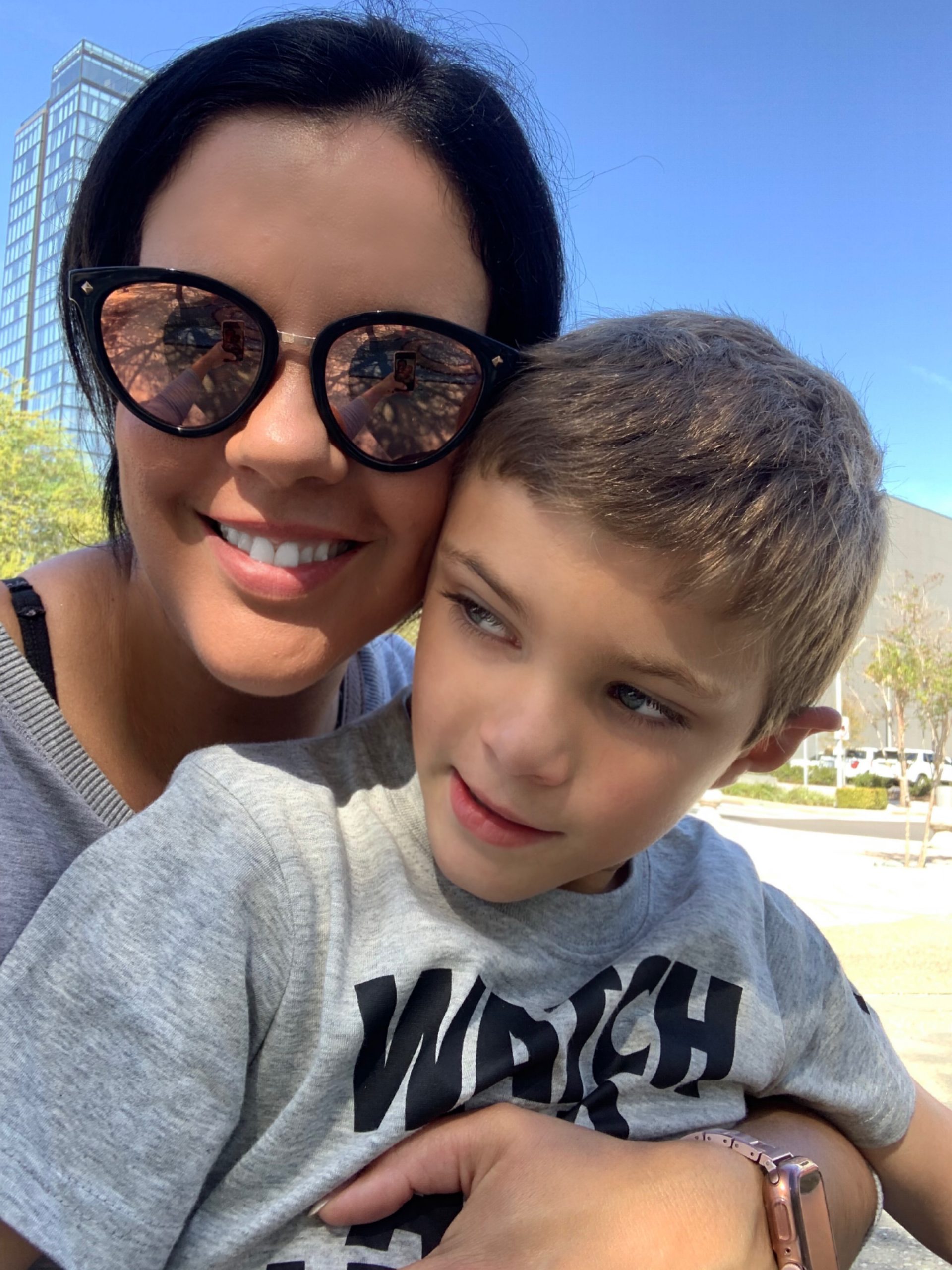
Parenting a non-verbal autistic child can be challenging
Being a parent is one of the most rewarding experiences in life, but it can also be one of the most challenging. When your child has autism, those challenges can be amplified. When your child is non-verbal, those challenges can feel overwhelming. This is the reality for parents of non-verbal autistic children like Robert.
As a parent of a non-verbal autistic child, you know the daily struggles all too well. You know the frustration of trying to communicate with your child when they can’t speak. You know the heartache of not being able to understand their wants and needs. You know the exhaustion of constantly advocating for your child’s rights and needs.
I know all of this too well. I know that my son can’t tell me when he’s hungry, thirsty, or in pain. I know that he can’t express his thoughts and feelings like other children his age. I know that they have to be his voice, and that can be a heavy burden to bear.
When Robert has a meltdown or an outburst, we can feel helpless. I can’t console him with words, and we can’t always understand what triggered the behavior. We feel frustrated and sad that we can’t do more to help him.
It can also be frustrating for us when I try to explain his condition to others. I often encounter people who don’t understand autism or who make insensitive comments. I have to constantly educate others and advocate for my son’s needs.

Despite all of the challenges and frustrations, I love him deeply and will do anything for him. I celebrate his victories, no matter how small, and I cherish the moments when he shows me affection. I know that he has a unique perspective on the world, and we are constantly learning from him.
To other parents of non-verbal autistic children like Robert, know that you are not alone. It’s okay to feel frustrated, overwhelmed, and exhausted. It’s okay to ask for help and support. Remember that your child is unique and special, and that they have so much to teach us. Cherish the moments of connection and love, and keep advocating for their needs. Together, we can create a world that is more understanding and supportive of all children, regardless of their abilities.
Please sign up for our email list so we can reach out to families in need of communication devices.
-
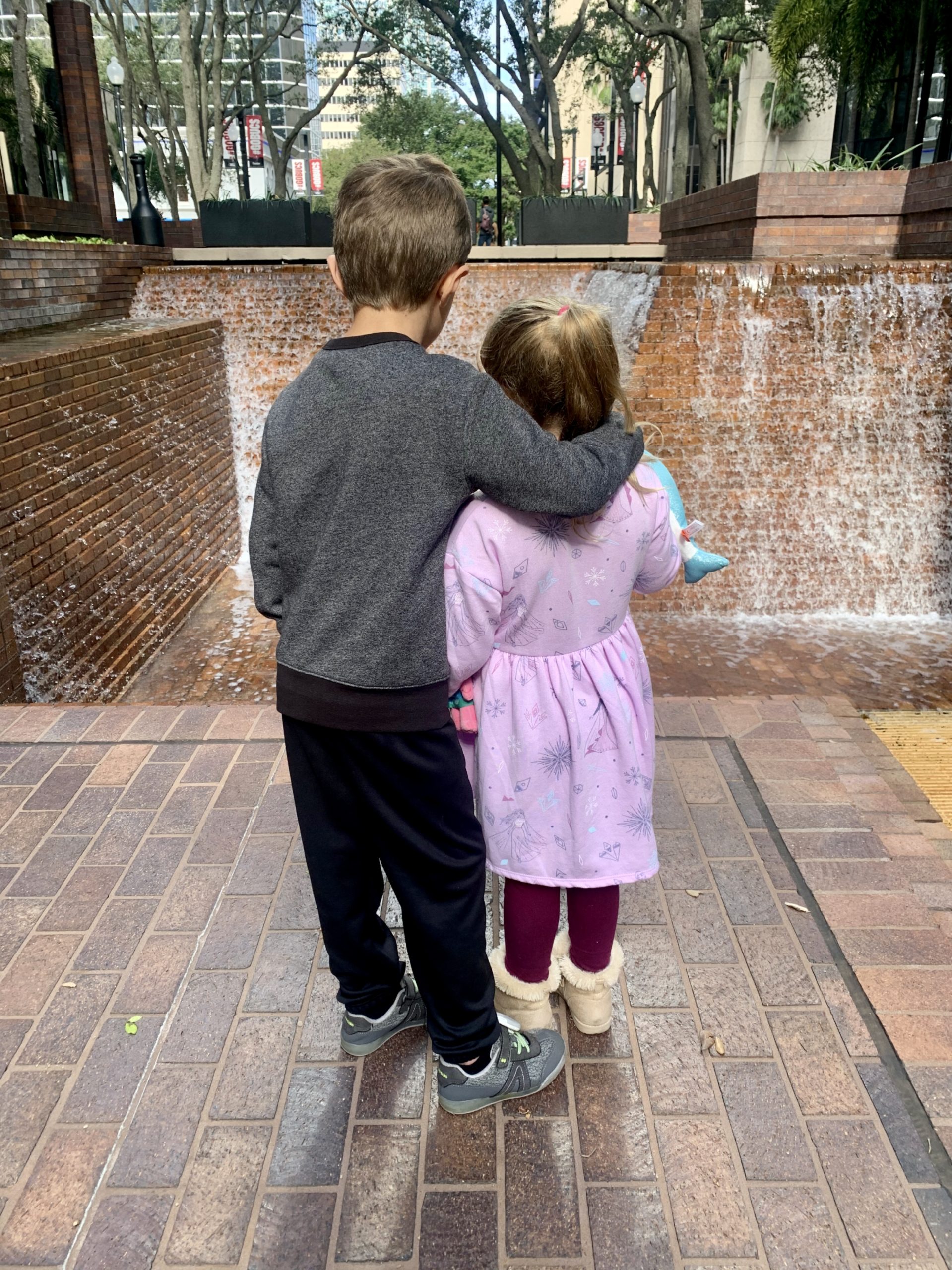
What are the best strategies for a single parent with a child with autism?
There is no one-size-fits-all answer to this question, as each child with autism is unique and may have different needs and challenges. However, here are some strategies that may be helpful for single parents with a child with autism.
Seeking support from family and friends. It can be overwhelming to be a single parent, especially when you have a child with special needs. It is important to reach out to your support network and ask for help when you need it. Having a strong support system is very important. They say it takes a tribe to raise children well the add some extra members to that tribe when you have a child with autism. A strong support system is important. For us it has been family members, friends, therapists even our neighbors! There is no shame in asking for help from those in our support network.
Finding resources in your community. Many communities have organizations and resources specifically designed to support families of children with autism. These can include therapy centers, support groups, and educational programs. Finding the right therapist and therapy centers can truly be life changing. In our case, we tried at home ABA for nine months. Which ended up not being the best fit for our family. We interviewed and visited a few ABA centers and found one that has been amazing. Robert has made big improvements and his therapist are wonderful. Seeing him grow and thrive has truly been life changing. Here in the Tampa Bay we have a great resource center provided by USF known as CARD.
http://card-usf.fmhi.usf.edu/
Keeping a routine and staying organized can be a huge help. Having a good system for organizing your child’s schedule, appointments, and other responsibilities can help make your life as a single parent more manageable. Robert thrives on routine! Which can be thrown off by the holidays or custody schedules. So planning ahead and scheduling activities he enjoys were a huge help. Also keeping in touch with his therapist and working with them to provided him with a few hours of therapy while during the holidays were a huge help.
Prioritizing self-care is not only important for ourselves as parents but more importantly for our family. It is important to take care of yourself, both physically and emotionally, in order to be able to support your child. Make sure to carve out time for activities that help you relax and recharge. Which can be as simple as going for a walk, reading a few pages from a book, or taking a hot shower! Trust me taking care of us allows us to care for others. We cannot give from empty cup.
Seeking professional support. If you are feeling overwhelmed or struggling to manage your child’s autism, consider seeking help from a mental health professional or other support services. Such as therapist or support groups.
At the end of the day we are all doing the best we can with what we have. It is important that no matter what, you as a parent know that you are doing a good job. Being a parent of an autistic child can feel lonely at times, but trust me when I say you are not alone.
Isabel -
5 Tips To Make Halloween The Most Enjoyable For Your Child
Happy Halloween everyone! Here are 5 tips that I wanted to share with you that have helped us enjoy Halloween.
#1 Choosing a sensory friendly costume
Being realistic and having a true understanding of your child’s needs is the key to success in my opinion. Choosing a costume that may not necessarily be a “conventional costume” is ok! Nothing would be worse that choosing a costume that might be overwhelming from a sensory perspective. Your child may be completely happy with a theme t-shirt and pants.
#2 Let your child wear their costume at home before Halloween
The phrase “practice makes perfect” comes to mind. Allow your child to wear their costume at home! Let them get comfortable and make sure they can move freely and have fun in their costume!
#3 Visualize! Prepare a visual story or calendar
By using a visual story or calendar, you are essentially preparing your child for the festivities. They will have a clear understanding of what to expect which may alleviate some anxieties surrounding the disruption of their every day routine.
#4 Trick or Treat in a small group or consider alternatives
Big social settings may be overwhelming to some children. A small group or a one on one trick or treating if possible may be what makes the experience more enjoyable. I encourage you to assess your own child’s needs and make the best decision for you and your family.
#5 Allow your child to have some sensory breaks
Whatever you choose to do on Halloween, whether it’s trick or treating or visiting a friend’s house, giving your child a sensory break will help the day go smoothly for everyone!
One last tip-HAVE FUN!! Allow your child to have fun doing whatever it is that makes them happy.
Have fun and be safe!
Isabel Norton -
Update
Happy Fall Everyone!
Wanted to send a quick update, as many of you know we have been working on the application that will serve as the communication component in our devices. We have finished testing the third version of said application on our devices. Everything seems to be in working order and we are moving forward with adding more data to the application. We are hopeful that the devices will be ready to send out by the end of October 2022.
Thank you all for your donations and patience. We are a small organization but we have a purpose and a mission. This truly is a labor of love for us. Please keep an eye out for a more detailed update in the next few weeks as we begin to send out the devices to those who have requested them. If you’re family is in need of an AAC device please click on our web-site and submit your request.
To the families who have been affected by Hurricane Ian, this type of catastrophic event can be even more stressful when you have a child with on the spectrum. Our thoughts and prayers got out to you. As a mother with a special needs child we understand first hand the challenges. Please stay safe.
Isabel Norton