Non-verbal autism, also known as nonverbal communication disorder or NVC, is a condition that affects an individual’s communication abilities. It is a subtype of autism spectrum disorder (ASD), which impacts one in 54 children in the United States.
Individuals with non-verbal autism face significant challenges in expressing themselves and understanding others, making communication a daily struggle. Despite these challenges, with the right support and understanding, individuals with non-verbal autism can lead fulfilling and happy lives.
Key Takeaways:
- Non-verbal autism is a subtype of autism spectrum disorder that impacts communication abilities.
- Individuals with non-verbal autism face challenges in expressing themselves and understanding others.
- With the right support and understanding, individuals with non-verbal autism can lead fulfilling lives.
- Understanding nonverbal communication in individuals with autism is critical.
- Non-verbal autism affects one in 54 children in the United States.
Understanding Non-Verbal Autism: Causes and Symptoms
Non-verbal autism, also known as nonverbal communication disorder, is a condition that impacts an individual’s ability to speak and communicate effectively. While the exact cause of non-verbal autism is unknown, research suggests that genetic and neurological factors may play a role.
According to the DSM-5, the manual used by mental health professionals to diagnose conditions, some of the common symptoms associated with non-verbal autism include:
- Difficulty with social interactions and communication
- Repetitive behaviors or actions
- Limited nonverbal communication, such as facial expressions or eye contact
- Limited use of spoken language
- Difficulty with understanding and expressing emotions
While these symptoms can vary from person to person, they can significantly impact an individual’s ability to communicate and interact with others. It’s important to note that non-verbal autism is not a lack of intelligence or a choice; it is a neurological condition that affects an individual’s ability to communicate.
Causes of Non-Verbal Autism
The exact causes of non-verbal autism are not fully understood, but research suggests that genetic and neurological factors may play a role. Studies have found that certain genetic mutations and abnormalities in brain development can contribute to the development of non-verbal autism.
Other potential causes of non-verbal autism include environmental factors, such as exposure to toxins or infections during pregnancy, or complications during birth.
It’s important to note that while certain factors may increase the risk of developing non-verbal autism, the condition can occur in individuals with no known risk factors.
Symptoms of Non-Verbal Autism
Non-verbal autism is characterized by a range of symptoms that affect an individual’s ability to communicate effectively. Some of the most common symptoms include:
- Difficulty with spoken language
- Limited nonverbal communication, such as facial expressions or gestures
- Difficulty with social interactions and understanding social cues
- Repetitive behaviors or actions
- Sensory sensitivities or aversions
While these symptoms can vary from person to person, they can significantly impact an individual’s ability to interact with others and navigate daily life.
Exploring Non-Verbal Autism: Treatment and Interventions
While there is no cure for non-verbal autism, there are various treatment options and interventions available to help individuals communicate and improve their overall quality of life. The approach to treatment and intervention should be individualized and tailored to the specific needs of each person with non-verbal autism.
Speech Therapy
Speech therapy is a common treatment option for individuals with non-verbal autism. A speech therapist can help improve communication skills by teaching alternative forms of communication such as sign language, picture cards, or electronic communication devices. The focus of speech therapy is not only on speaking, but also on nonverbal communication such as body language and facial expressions.
Occupational Therapy
Occupational therapy can help individuals with non-verbal autism develop the skills necessary to perform daily activities independently. This can include teaching self-care, fine motor skills, and sensory integration techniques. Occupational therapy can also provide alternative communication strategies such as using visual aids to improve communication.
Alternative Communication Methods
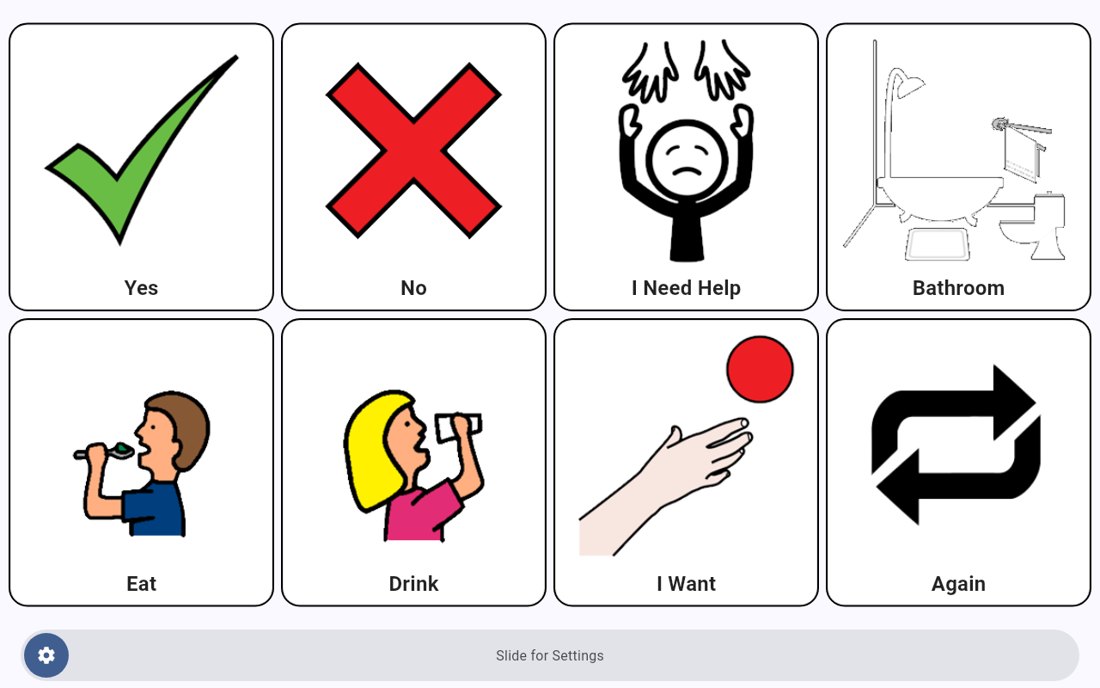
Alternative communication methods such as augmentative and alternative communication (AAC) systems can help individuals with non-verbal autism communicate effectively. AAC systems include picture communication boards, voice output devices, and computer-based technology that can be used to supplement or replace speech. AAC systems can also help individuals with non-verbal autism better understand and navigate the world around them.
It is important to note that there is no one-size-fits-all approach to treatment and intervention for non-verbal autism. Each individual with non-verbal autism has unique needs and may require a combination of different therapies and interventions.
Non-Verbal Autism Research: Advancements and Findings
Non-verbal autism is a complex condition that continues to be extensively researched. In recent years, there have been many breakthroughs in understanding the neurobiological and genetic factors that contribute to non-verbal autism.
One important area of research is in the field of brain imaging. Studies have used functional magnetic resonance imaging (fMRI) and other imaging technologies to examine brain activity in individuals with non-verbal autism. These studies have shown that there are distinct differences in brain connectivity and activity in individuals with non-verbal autism, particularly in regions of the brain involved in language and social processing.
Other research has focused on genetic factors that may contribute to non-verbal autism. Studies have identified specific genetic mutations that are associated with non-verbal autism, such as mutations in the CHD8 gene. These findings may provide valuable insights into the underlying causes of non-verbal autism, which could lead to more targeted and effective treatments.
Non-Verbal Autism Research: Current Studies
Currently, there are many ongoing studies exploring non-verbal autism. One notable study is the Simons Foundation Powering Autism Research for Knowledge (SPARK) study. SPARK is the largest genetic study of autism to date and aims to collect DNA samples and clinical information from 50,000 individuals with autism and their families. The goal is to gather a comprehensive dataset that will help researchers better understand the genetic and environmental factors that contribute to autism, including non-verbal autism.
Another study is examining the use of music therapy as a treatment for non-verbal autism. Preliminary results from this study suggest that music therapy may help improve communication skills in individuals with non-verbal autism.
Implications for Non-Verbal Autism Treatment
The advancements in non-verbal autism research have significant implications for treatment and intervention. With a better understanding of the underlying causes of non-verbal autism, researchers may be able to develop more targeted and effective treatments. For example, if a genetic mutation is identified as a cause of non-verbal autism, researchers may be able to develop gene therapies to correct the mutation.
In conclusion, non-verbal autism research has come a long way in recent years and there is still much to learn. Ongoing research studies and new advancements are helping to shed light on this complex condition and offer hope for improved treatments and interventions.
Effective Communication Strategies for Non-Verbal Autism
Communication can be a challenge for individuals with non-verbal autism, but there are ways to improve interactions and build meaningful connections. Here are some effective communication strategies:
Visual Supports
Visual supports can help individuals with non-verbal autism better understand language and communicate their thoughts and feelings. These supports can include picture schedules, social stories, and visual cues such as symbols or icons. Use clear and concise language with visual supports to reinforce their meaning.
Augmentative and Alternative Communication (AAC) Systems
AAC systems can be used to supplement or replace speech for individuals with non-verbal autism. These systems can include communication boards, electronic devices, or sign language. It’s important to find the right AAC system that fits the individual’s needs and abilities, and provide appropriate training and support to use it effectively.
Sensory-Based Communication Techniques
Individuals with non-verbal autism may have difficulty understanding or expressing verbal language, but they may respond well to sensory-based communication techniques. These techniques can include gestures, touch, or movement, which can help convey emotions or ideas. Observe and respond to the individual’s nonverbal cues to understand their communication needs and preferences.
Effective communication strategies for non-verbal autism can improve social interactions, reduce frustration, and increase independence. However, it’s important to remember that each individual with non-verbal autism may have unique communication needs and abilities. By understanding and respecting these needs, we can build strong connections and support their communication skills.
Resources for Non-Verbal Autism Support
Living with non-verbal autism can present unique challenges for individuals and their families. However, there are several resources available to provide support and assistance.
Online Support Groups
Connecting with others who have similar experiences can be incredibly helpful for families and caregivers. Several online support groups exist specifically for those with non-verbal autism. These groups provide a safe space to share stories, ask questions, and receive advice from others who understand the challenges associated with non-verbal autism. Some popular options include:
- Autism Support Network
- The Autism Community in Action
- Autism Speaks
Educational Materials
There are a wealth of educational materials available for individuals with non-verbal autism and their caregivers. These materials can provide insight into the condition and offer practical strategies for improving communication and social skills. Some recommended resources include:
- The National Autistic Society’s guide to non-verbal autism
- Temple Grandin’s book “The Autistic Brain”
- The American Speech-Language-Hearing Association’s resources for augmentative and alternative communication (AAC)
Organizations and Foundations
Several organizations and foundations exist to support individuals with non-verbal autism and their families. These organizations offer a range of services, including advocacy, research, and support. Some notable examples include:
- The Autism Society
- The Organization for Autism Research
- The Center for Autism and Related Disorders
Overall, there are many resources available to support individuals with non-verbal autism and their families. By connecting with others and utilizing these resources, individuals with non-verbal autism can receive the assistance they need to thrive.
The Impact of Non-Verbal Autism on Daily Life
Non-verbal autism can have a significant impact on daily life, affecting communication, behavior, and social interactions. Individuals with non-verbal autism may experience challenges in expressing their needs and emotions, making it difficult to connect with others and form relationships.
In addition to communication difficulties, individuals with non-verbal autism may also struggle with sensory processing, which can cause sensory overload or underresponsiveness to certain stimuli. This can lead to behavioral challenges and difficulty functioning in different environments.
Education can also present challenges for individuals with non-verbal autism, as the traditional classroom setting may not be suitable for their learning style. Adaptations such as individualized education plans (IEPs), assistive technology, and sensory-friendly classrooms can help support their learning and development.
Despite the challenges, individuals with non-verbal autism have unique strengths and abilities that should be celebrated. By understanding and supporting their needs, we can work towards creating a more inclusive and accepting society.
Nurturing Connections: Building Relationships with Non-Verbal Autistic Individuals
Building relationships with non-verbal autistic individuals requires patience, empathy, and understanding. It’s essential to remember that communication goes beyond words and requires active listening, observation, and interpretation of nonverbal cues. Here are some tips to help you build meaningful connections with individuals with non-verbal autism.
Focus on Non-Verbal Communication
In individuals with non-verbal autism, nonverbal communication is just as important, if not more, than verbal communication. Pay attention to facial expressions, body language, and gestures, and respond accordingly. Use visual aids, such as pictures and symbols, to aid in understanding and communicating.
Create a Sensory-Friendly Environment
Sensory needs are often an essential factor for individuals with non-verbal autism. Create a sensory-friendly environment by reducing sensory overload and providing opportunities for sensory stimulation. This can include dimming the lights, adding fidget toys, or providing noise-cancelling headphones.
Use Positive Reinforcement
Positive reinforcement can be a powerful tool in building relationships with individuals with non-verbal autism. Praising efforts, providing rewards, and using social stories can help encourage positive behaviors and foster trust and connections.
Respect Individuality and Personal Space
Recognize that individuals with non-verbal autism have unique interests, abilities, and preferences. Respect personal space, and allow them to guide the interaction and pace. Avoid making assumptions or generalizations and instead focus on building connections on an individual level.
In conclusion, building relationships with individuals with non-verbal autism requires patience, understanding, and flexibility. By focusing on nonverbal communication, creating a sensory-friendly environment, using positive reinforcement, and respecting individuality and personal space, we can nurture meaningful connections that benefit everyone.
The Role of Assistive Technology in Non-Verbal Autism
Assistive technology can play a crucial role in supporting communication and independence for individuals with non-verbal autism. These technologies can help individuals communicate their needs and desires, interact with others, and access educational and leisure activities. Here are some examples of assistive technology commonly used in non-verbal autism:
| Technology |
Description |
Benefits |
| AAC devices (Augmentative and Alternative Communication) |
Electronic devices that use symbols, pictures, or text to represent words and phrases |
Enable individuals to communicate more effectively and efficiently than with traditional speech alone |
| Sensory-based communication devices |
Devices that use tactile or visual cues to communicate a message, such as a vibrating watch or visual timer |
Help individuals understand and respond to the world around them, improving communication and behavior |
| Computer-based learning programs |
Interactive software programs that help individuals with non-verbal autism learn academic or social skills |
Provide personalized instruction and feedback, promoting learning and independence |
In addition to these technologies, there are also mobile apps, software programs, and other specialized devices that can be customized to meet the needs of individuals with non-verbal autism. It’s important to work with a professional to determine which assistive technology is most appropriate for each individual.
Assistive technology not only enhances communication but also supports independence and participation in daily activities. It can improve quality of life and provide opportunities for individuals with non-verbal autism to engage more fully with the world around them.
Non-Verbal Autism in Education: Inclusion and Support
Education is a critical component of overall development for individuals with non-verbal autism. However, traditional educational settings may not always be accommodating to their needs. Implementing inclusive classroom practices and creating individualized support plans are crucial for their academic success and personal growth.
Inclusive classrooms are designed to cater to the unique needs of all students, including those with non-verbal autism. Inclusion involves adapting the curriculum, teaching methods, and assessment techniques to meet the specific requirements of each student. It also involves providing support through special education services, such as speech therapy and occupational therapy.
Creating an individualized support plan is another essential aspect of non-verbal autism education. The plan should be tailored to address the specific challenges faced by the student, such as communication difficulties and sensory sensitivities. The plan should also outline the accommodations necessary for the student to succeed academically, such as assistive technology and visual aids.
Collaboration between parents, educators, and support specialists is essential for creating a successful individualized support plan. Parents should be involved in the planning process and provide relevant information about the student’s strengths, weaknesses, and preferences. Educators should be trained in working with individuals with non-verbal autism and adapting the curriculum to suit their needs. Support specialists, such as speech therapists and occupational therapists, should also be involved in creating and implementing the support plan.
Overall, inclusive classrooms and individualized support plans are crucial for the academic and personal growth of individuals with non-verbal autism. By implementing these practices, we can create a more inclusive educational system that caters to the unique needs of all students.
Advocating for Non-Verbal Autism: Raising Awareness and Understanding
Advocacy plays a vital role in raising awareness and understanding of non-verbal autism, and promoting acceptance and inclusion in society. By advocating for individuals with non-verbal autism, we can help create a world that is more accommodating and supportive of their unique needs and abilities.
One way to advocate for non-verbal autism is to share information and resources with family, friends, and community members. By spreading awareness and understanding of non-verbal autism, we can help reduce stigma and misconceptions surrounding the condition.
Another way to advocate for non-verbal autism is to get involved with local and national organizations that support the non-verbal autism community. These organizations provide valuable resources and support for individuals with non-verbal autism and their families, and also offer opportunities to get involved in advocacy efforts.
Advocacy also involves pushing for change in government policies and laws that impact individuals with non-verbal autism. By advocating for policies that promote inclusion and support for individuals with non-verbal autism, we can help create a more inclusive society that values and respects the diversity of all individuals.
Ultimately, advocating for non-verbal autism is about creating a world where individuals with non-verbal autism are understood, valued, and supported. By continuing to raise awareness and promote acceptance, we can help build a more inclusive and compassionate society for all.
Conclusion
Throughout this article, we have explored the world of non-verbal autism and its impact on communication. We have discussed the possible causes and symptoms of non-verbal autism, as well as various treatment options and interventions available. We have also highlighted recent research findings and advancements in the field.
Effective communication strategies, resources, and assistive technology play a vital role in supporting individuals with non-verbal autism. We have discussed the challenges faced by individuals with non-verbal autism in daily life and strategies for overcoming them. Building meaningful relationships, advocating for awareness and understanding, and creating inclusive educational environments are also crucial aspects of non-verbal autism support.
As we conclude, it is essential to emphasize that understanding and supporting individuals with non-verbal autism is crucial. We must continue to advocate for awareness and acceptance of non-verbal autism and provide ongoing support to the non-verbal autism community. By doing so, we can help individuals with non-verbal autism to thrive and reach their full potential.
Non-Verbal Autism Support
For those looking for more information and support, there are numerous resources available. The Autism Society of America provides resources and support for individuals with autism and their families. The National Autism Association offers advocacy and support for families affected by autism. Additionally, Autism Speaks offers resources, events, and advocacy for families and individuals with autism.
It is important to seek support and connect with others in the non-verbal autism community. Online support groups and local organizations are excellent resources for finding information and connecting with others who share similar experiences.
FAQ
What is non-verbal autism?
Non-verbal autism is a form of autism spectrum disorder (ASD) where individuals have limited or no speech abilities. Despite their difficulty with verbal communication, they may still be able to understand and express themselves in other ways.
What causes non-verbal autism?
The exact causes of non-verbal autism are not fully understood, but it is believed to be a result of a combination of genetic and neurological factors. Research suggests that differences in brain development and connectivity may contribute to the communication challenges seen in individuals with non-verbal autism.
What are the common symptoms of non-verbal autism?
Common symptoms of non-verbal autism include limited speech or complete absence of speech, difficulty with social interactions and understanding social cues, repetitive behaviors, sensory sensitivities, and challenges with expressive and receptive language skills.
What treatment options are available for non-verbal autism?
There are various treatment options and interventions available for individuals with non-verbal autism. These may include speech therapy, occupational therapy, picture communication systems, alternative and augmentative communication (AAC) devices, behavioral interventions, and sensory-based interventions.
What recent advancements have been made in non-verbal autism research?
Recent research in non-verbal autism has focused on improving understanding and support for individuals with limited speech abilities. Studies have explored the use of technology, such as eye-tracking devices, to assess and enhance communication skills. Additionally, research has looked at the impact of early intervention programs on language development in non-verbal individuals with autism.
What are some effective communication strategies for non-verbal autism?
Effective communication strategies for individuals with non-verbal autism include the use of visual supports, such as visual schedules and social stories, augmentative and alternative communication (AAC) systems, such as picture communication boards or speech-generating devices, and sensory-based communication techniques that incorporate the individual’s sensory preferences.
Are there any resources available for non-verbal autism support?
Yes, there are resources available for families, caregivers, and professionals working with individuals with non-verbal autism. Online support groups, educational materials, and organizations dedicated to supporting the non-verbal autism community can provide valuable information and assistance.
How does non-verbal autism impact daily life?
Non-verbal autism can impact various aspects of daily life, including communication, education, and social interactions. Individuals with non-verbal autism may face challenges in expressing their needs and understanding others, require additional support in educational settings, and experience difficulties in forming and maintaining social relationships.
How can I build relationships with non-verbal autistic individuals?
Building relationships with non-verbal autistic individuals requires patience, empathy, and understanding. It is important to communicate in ways that are comfortable for them, such as utilizing visual supports or alternative communication methods. Taking the time to listen, engage in activities they enjoy, and respect their boundaries can help foster meaningful connections.
What role does assistive technology play in non-verbal autism?
Assistive technology plays a significant role in supporting communication and independence for individuals with non-verbal autism. AAC devices, speech-generating devices, and other assistive technologies can aid in expressing thoughts and needs, enhancing social interactions, and promoting participation in various activities.
How can non-verbal autism be supported in educational settings?
Supporting non-verbal autism in educational settings involves creating inclusive classrooms and implementing individualized support plans. This may include adapting curriculum to suit individual needs, providing visual supports, and utilizing AAC systems to promote communication and participation.
How can I raise awareness and advocate for non-verbal autism?
You can raise awareness and advocate for non-verbal autism by sharing information about the condition, promoting acceptance and inclusion, and supporting organizations that provide resources and support to individuals with non-verbal autism. By challenging stereotypes and promoting understanding, we can create a more inclusive and supportive society.