How AI could eventually help children like Robert
Artificial Intelligence (AI) is making remarkable strides in healthcare, opening up avenues to support children with autism, like Robert. From early diagnosis to personalized treatment plans, AI’s versatility holds the promise of transforming the lives of autistic children and their families.
Early Diagnosis
AI tools are being developed to diagnose autism at an early stage, enabling timely intervention. For instance, a study published in JAMA Pediatrics showcases an AI model designed to identify autism in children as young as 18 months, offering a head start in managing the condition.
Customized Learning
AI-driven platforms, such as Otsimo, are revolutionizing learning for children with special needs. Otsimo offers personalized, child-friendly applications focused on enhancing various skills through fun, interactive games, allowing children like Robert to learn at their own pace.
Behavioral Analysis and Support
AI technologies like Affectiva’s Emotion AI interpret emotional states through facial expressions, voice, and physiological responses. This can help caregivers understand the triggers and preferences of autistic children, adapting the environment to their needs.
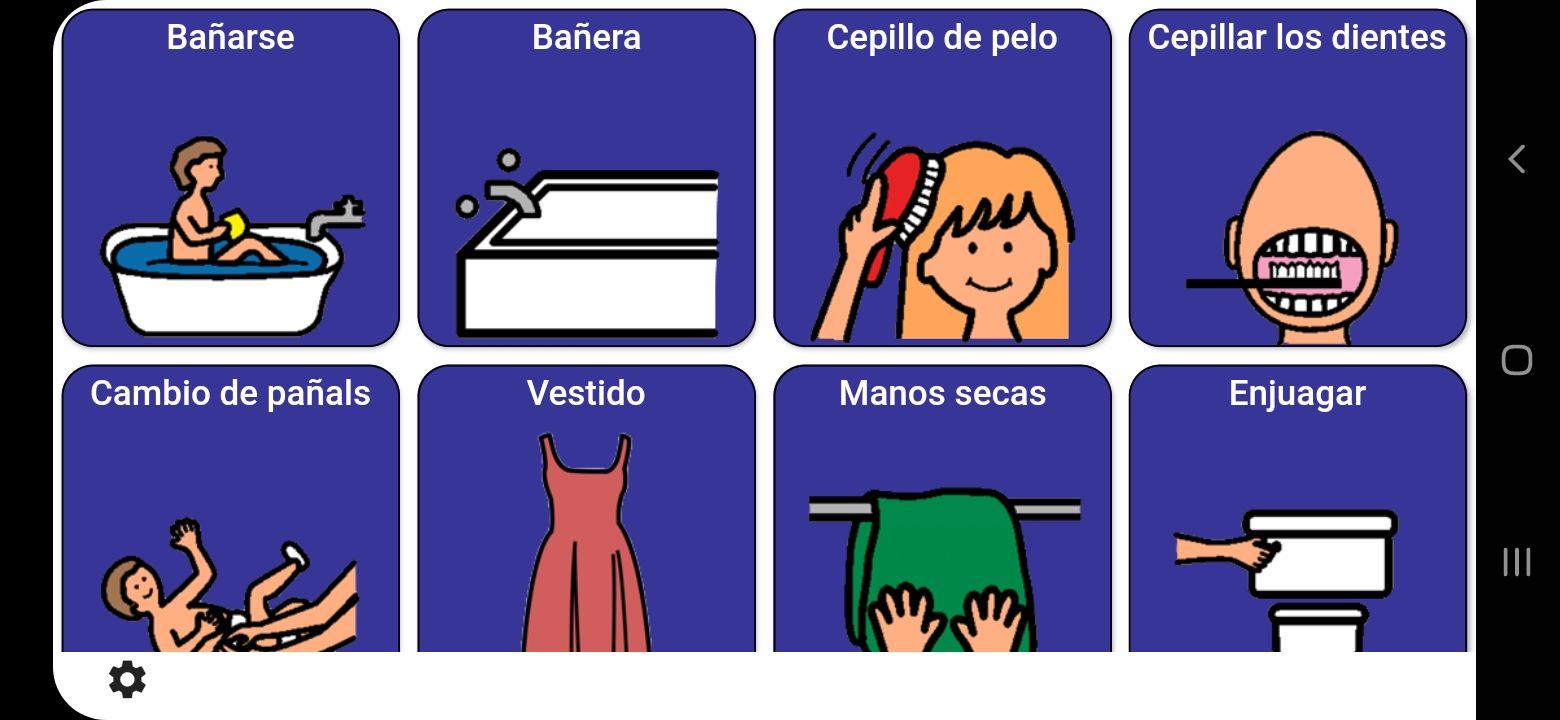
Augmentative and Alternative Communication (AAC) Devices at the Robert Norton Foundation
At the Robert Norton Foundation, we champion the use of Augmentative and Alternative Communication (AAC) devices, designed to empower non-verbal children like Robert with a means of self-expression. These devices enable children to convey their thoughts, needs, and emotions, breaking down communication barriers and fostering a sense of autonomy. As a reminder, we provide these devices (as well as our custom app) free of charge to the families and caregivers of non-verbal autistic children!
Enhancing AAC with AI
Merging AI technology with AAC devices can unlock numerous possibilities for children with autism. AI can analyze and adapt to each child’s unique communication style, facilitating a more personalized and effective experience. Here’s how AI can enhance the capabilities of AAC devices:
- Personalized Learning: AI can tailor learning content based on the child’s progress and preferences, making the AAC experience more engaging and beneficial.
- Predictive Text and Suggestions: By incorporating AI, AAC devices can offer predictive text and suggestions, helping children to communicate more efficiently and effectively.
- Voice Recognition and Synthesis: AI-driven voice recognition can adapt to the individual speech patterns of the child, while voice synthesis can give a voice to those who are non-verbal, promoting a sense of inclusivity.
- Data Analysis for Progress Tracking: AI can analyze the data from AAC device usage, helping parents and therapists monitor the child’s progress and adjust interventions accordingly.
A Future of Empowered Communication
The integration of AI with existing technologies signifies a step towards a future where every child, regardless of their communication abilities, can be heard and understood. By embracing these technological advancements, we are not only giving children like Robert a voice but also opening a world of possibilities for them to learn, grow, and connect with others.