Tag: aac devices

  • Back to School Tips and Advice for Parents of Non-Verbal Autistic Children!

    Back to School Tips and Advice for Parents of Non-Verbal Autistic Children!

    School is Back in Session!  

    For most of us, the school year is among us! Let’s be honest because I know the feeling. If you are anything like our family with an autistic, non-verbal child you may be feeling a mixture of relief and apprehension. Summer was very challenging due to the disruption of routine and inconsistency of specialized services like camps and therapies. However, the return to school has been a beacon of hope, offering structure, consistency, and the chance for our Robert to thrive in a supportive environment.  

    For us routines are crucial! The predictability and structure that routines provide really help reduce anxiety and make transitions smoother. The week before school started, we began reintroducing school-related routines at home. Here is what worked for us: 

    • Morning Routines: Set a consistent wake-up time, practice getting dressed, and eat breakfast at the same time each day. 
    • Evening Routines: Reinstated bedtime routines, such as setting out clothes for the next day, winding down with a calming activity, and having a consistent bedtime. 
    • Practice School Activities: We participated in the school’s open house; we practiced what the drop off would look like in the morning or simulated classroom activities to help your child feel more comfortable. 

    Before the school year began, I personally reached out to the teachers, aides, and any relevant staff to discuss Robert’s specific needs. Shared any insights about what worked well last year and what didn’t. Some of which included: 

    • Communication Preferences: Robert has a communication device, two sign languages symbols, he points and gestures. This was the staff is familiar with his communication preferences. 
    • Sensory Needs: Discussed that Robert enjoys playing with water, so he will likely stop at every water fountain. He likes putting objects in his mouth, so cleanliness is important. 
    • Behavioral Strategies: Shared effective strategies to help manage behaviors that might arise due to anxiety, frustration, or overstimulation. 
    • Comfort Items: Allow your child to bring a familiar item from home, such as a favorite toy or a piece of clothing, to provide comfort during the school day. 

    The first few weeks of school might come with challenges but staying involved and patient will make a significant difference. Keep in regular contact with your child’s teachers, celebrate small successes, and be gentle with yourself and your child as you both adjust. After school, having a consistent way to check in with your child is super helpful. Whether through a communication device, visual aids, or simply observing their behavior. Try to keep track of your child’s progress and communicate regularly with teachers to ensure they’re receiving the support they need. 

    Conclusion 

    Returning to school after a long summer can be a daunting transition or a reprieve from what I considered chaos and inconsistency. But with preparation, communication, and a focus on routines, you can help your non-verbal autistic child not only adjust but thrive. Remember, you’re not alone on this journey even though it feels like we are, lean on your family, friends and the school staff to ensure a smooth and successful start to the school year. Wishing everyone a year filled with growth, learning, smooth transitions and joyful routines! 

  • The Importance of High-Visibility Clothing for Non-Verbal Autistic Children in Crowded Places

    The Importance of High-Visibility Clothing for Non-Verbal Autistic Children in Crowded Places

    When taking non-verbal autistic children to crowded places such as amusement parks or community events, it’s crucial to ensure their safety and visibility. Wearing bright and easily identifiable clothing is one essential strategy to manage the risks associated with such environments. This blog post explores why high-visibility clothing is vital and offers practical tips to enhance the safety of these outings.

    Why High-Visibility Clothing is Important:

    • Easy Identification: Bright clothing makes it easier for parents and caregivers to keep visual contact with their children in crowded places.
    • Safety in Crowds: In case of separation, it is easier for others, including emergency personnel, to spot a child wearing bright clothing.
    • Reduced Risk of Elopement: Many children with autism may exhibit elopement behaviors; vivid clothing helps in quickly locating them if they wander off.

    Practical Tips for Outfitting Your Child:

    • Choose Bright Colors: Opt for neon or high-contrast colors like bright yellows, oranges, or greens.
    • Use Reflective Materials: Incorporate clothing or accessories with reflective materials, especially useful during evening outings.
    • Consistency in Clothing: Whenever going to potentially crowded environments, dress your child in a specific bright outfit that they and others will easily recognize.

    Incorporating Sensory Preferences:

    Understand your child’s sensory preferences and tolerances. Some children might be sensitive to certain fabrics or fits. Select comfortable clothes that meet both sensory needs and visibility requirements.

    Communication Aids:

    Ensure that your child carries an Augmentative and Alternative Communication (AAC) device, especially in public settings. This can be crucial for them to express their needs or identify themselves if they get lost.

    Conclusion:

    Dressing non-verbal autistic children in high-visibility clothing is a straightforward yet effective measure to enhance their safety in public spaces. Coupled with constant supervision and communication tools, it forms a comprehensive approach to ensuring their well-being during outings.

    For further detailed strategies and personal stories, exploring resources like Autism Speaks can provide additional insights and community experiences related to managing autism in various environments.

  • The Summertime Struggle: Challenges Faced by Parents of Non-Verbal Autistic Children

    The Summertime Struggle: Challenges Faced by Parents of Non-Verbal Autistic Children

    As the school year winds down and the promise of summer beckons, many families eagerly anticipate vacations, outdoor activities, and the freedom from rigid schedules. However, for parents of autistic, non-verbal children, summer can bring a unique set of challenges that transform this season of relaxation into a period of heightened stress and anxiety.

    The Quest for Specialized Summer Camps

    One of the most significant difficulties faced by these parents is the scarcity of specialized summer camps that cater to the needs of non-verbal autistic children. Typical summer camps are often ill-equipped to handle the unique requirements of these children, who may need individualized attention, specific communication aids, and environments that minimize sensory overload. The limited availability of appropriate camps forces many parents into a relentless search, often beginning months in advance and involving lengthy applications, interviews, and waiting lists.

    Financial Burdens

    When a suitable camp is found, it often comes with a hefty price tag. Specialized camps that provide the necessary support and accommodations are typically more expensive than mainstream camps. Many families find themselves grappling with the financial burden of securing a place in such a camp, which can add significant strain to already tight budgets. In cases where multiple children are involved, balancing the costs becomes even more challenging.

    Inadequate Support Systems

    The support systems that parents rely on during the school year, such as trained teachers, therapists, and aides, often become unavailable during the summer months. This abrupt loss of a structured support network can leave parents feeling isolated and overwhelmed. The consistency and routine provided by school settings are crucial for non-verbal autistic children, and the lack of these familiar structures can lead to increased anxiety and behavioral issues.

    Balancing Work and Caregiving

    Many parents of non-verbal autistic children face the difficult task of balancing their professional responsibilities with the demands of full-time caregiving. During the school year, parents can often work during school hours. However, during the summer, the absence of school means that parents must either find alternative care arrangements or reduce their work hours, leading to potential loss of income and career advancement opportunities. The challenge is compounded by the need to find caregivers who are adequately trained to manage the specific needs of their children.

    The Emotional Toll

    The emotional toll on parents cannot be understated. Watching their children struggle to adapt to new environments, witnessing their frustration with communication barriers, and dealing with public misunderstandings and judgments can be heartbreaking. The lack of inclusive activities and social opportunities for their children can also lead to feelings of isolation and helplessness. For many parents, summer is not a time of respite but a period of constant vigilance and advocacy.

    Strategies for Coping

    Despite these challenges, many parents develop strategies to cope with the summer months:

    Home-Based Activities: Creating a structured schedule of home-based activities that cater to their child’s interests and sensory needs can provide a semblance of routine.

    Community Resources: Exploring local community resources, such as specialized therapy centers or inclusive recreational programs, can offer additional support.

    Support Groups: Connecting with other parents in similar situations through support groups, both online and offline, can provide emotional support and practical advice.

    Respite Care: Seeking out respite care services, where trained caregivers provide temporary relief, can give parents much-needed breaks to recharge.

      Conclusion

      The challenges faced by parents of non-verbal autistic children during the summer are multifaceted and profound. The lack of specialized camps, financial constraints, inadequate support systems, and the difficulty of balancing work and caregiving responsibilities all contribute to a stressful and demanding season. However, with resilience, creativity, and a strong support network, many parents find ways to navigate these difficulties and create positive summer experiences for their children. Advocacy for more inclusive and affordable summer programs remains crucial to ensure that all children have the opportunity to enjoy and thrive during the summer months.

    1. Happy New Year! Tips on how to navigate New Year’s Eve with an autistic non-verbal child

      Happy New Year! Tips on how to navigate New Year’s Eve with an autistic non-verbal child

      The holidays are almost done!! We still have a big one to get through, New Year’s Eve and New Year’s Day! To my neurodivergent parents hang in there! The holidays for families with autistic children, the festivities can bring unique challenges. One of the significant hurdles that parents and caregivers often face is the disruption of their child’s carefully crafted schedule. In this blog post, we will explore the impact of interrupted schedules on autistic children during the holidays and discuss strategies we have implemented to help them navigate this potentially overwhelming time.

      Understanding the Importance of Routine: Autistic children often thrive on routine and predictability. A consistent schedule provides a sense of security and helps them manage sensory sensitivities and social interactions. During the holidays, this routine can be disrupted by changes in school schedules, family gatherings, and various events, leading to increased stress and anxiety for autistic children.

      Holiday celebrations are notorious for being sensory-rich experiences with bright lights, loud music, and bustling crowds. For autistic children who may already be sensitive to sensory stimuli, the holiday environment can be overwhelming. The sudden change in routine combined with sensory overload can contribute to meltdowns, increased anxiety, and challenges in communication.

      The holiday season often involves social gatherings and interactions with extended family and friends. Autistic children may struggle with the expectations of social engagement, making these events emotionally draining. Parents may face challenges in helping their children navigate social situations and may worry about potential judgment from others who may not fully understand their child’s unique needs.

      Here are some things we have implemented this year that have helped us as a family navigate the busy holiday season.

      I hate to say the phrase, preparation is key, and one can never be too prepared, but it has helped us. We communicate what the next day’s schedule will look like, sometimes with the use of PEC cards and the first/then model. Using visual aids, social stories, or calendars has helped Robert understand the holiday schedule.

      Designating a quiet and calming space where Robert can “decompress” and feel safe when he becomes overwhelmed has also been a huge help. While we are at home, he has a preferred space in our home where he can retrieve to, and he can regulate his nervous system which has made him feel overwhelmed. When we are not at home, we try to bring familiar comfort items, such as toys or sensory tools, to provide a sense of familiarity.

      We try to maintain some elements of the regular routine, such as mealtimes or bedtime rituals, to provide a sense of stability. Bath times can be pushed back by 15-30 minutes, but overall, we try to keep some aspects of his routine as close to “normal” as possible.

      We offer choices when appropriate. We allow Robert to have some control over his environment by offering choices within the holiday activities. We provide alternatives for participation, such as his communication device, his iPad and headphones to manage noise or sunglasses for bright lights.

      While the holiday season can present challenges for autistic children due to interrupted schedules, thoughtful planning and open communication can make a significant difference. By acknowledging their unique needs and implementing strategies to support them, families can create an inclusive and enjoyable holiday experience for everyone. At the end of the day, we as parents of neuro divergent children, all we can do is our best by loving our children and allowing ourselves some grace. Rest and recharge when you can. It is important that you take care of yourself as much as possible. We can’t take care of others without taking care of ourselves first. We can do all the planning in the world, do everything “right” and our children may still struggle and that is ok! They will be ok and we as their parents will be ok!

      Wishing you all a wonderful New Year!

    2. Embracing Communication: Introducing Your Child’s AAC Device at Holiday Gatherings

      Embracing Communication: Introducing Your Child’s AAC Device at Holiday Gatherings

      As we embrace the holiday season, a time of joy and family gatherings, inclusivity remains paramount, especially for families of non-verbal autistic children. The Robert Norton Foundation, also known as Give Kids A Voice (www.givekidsavoice.org), is dedicated to providing bilingual Augmentative and Alternative Communication (AAC) devices to families in need, at no cost. This blog post offers guidance for parents on introducing their child’s AAC device to friends and family during holiday events.

      Preparing for the Gathering:

      • Educate in Advance: Before the event, talk to your family and friends about the AAC device. Explain its purpose and how it helps your child communicate. This prepares them to interact more effectively and sensitively.
      • Share a Simple Guide: Distribute a brief, user-friendly guide or a short video demonstration about using the AAC device. This can help demystify the technology and encourage others to engage with your child using it.
      • Set Expectations: Make it clear that patience and understanding are key. Remind everyone that communication with an AAC device might take more time but is equally valuable and meaningful.
      • Visual Storytelling: Create a visual story or a photo montage showing how your child uses the AAC device in everyday life. This can be a fun and educational way to show its impact and functionality.
      • Practice Sessions: Arrange for a few close family members or friends to have a practice session with your child and the AAC device. This can help reduce anxiety and increase familiarity for both your child and the guests.

      During the Gathering:

      • Demonstrate the Device: Take a moment to show guests how the AAC device works. A live demonstration can pique interest and make guests more comfortable in engaging with it.
      • Encourage Engagement: Actively encourage guests to communicate with your child through the AAC device. Suggest simple conversations starters or questions they can ask.
      • Ensure Comfort: Holidays can be overwhelming, so set up a quiet, comfortable space for your child. This allows them to take breaks if needed and return to the festivities at their own pace.
      • Include Your Child: Make a conscious effort to involve your child in conversations and activities, using the AAC device as their voice. This reinforces their presence and importance in the family gathering.

      A Call for Support:

      The ability of The Robert Norton Foundation to provide these essential AAC devices depends on generous donations. As you consider giving this holiday season, remember that your support can profoundly impact non-verbal autistic children and their families. Visit www.givekidsavoice.org to contribute.

      Conclusion:

      Including an AAC device in family gatherings is a step towards a more inclusive world where every family member’s voice is heard and celebrated. Happy Holidays from The Robert Norton Foundation, help us Give Kids A Voice!

    3. Happy Holidays! Home is where my heart is!

      Happy Holidays! Home is where my heart is!

      December is here, the holidays have been in full effect for over five weeks now and I have failed to have the self-awareness to acknowledge publicly just how triggering and anxiety producing this time of year can be. This blog post may not resonate with everyone who reads it, but to my fellow neurodivergent parents, I am here to tell you that you are not alone. The holiday season is often portrayed as a time of joy, warmth, and family togetherness. However, for parents of neurodivergent children, the reality of the holidays can be far from the picture-perfect scenes depicted in commercials and movies. That simple fact does not make us a failure. It is ok to not be ok! It is ok to be anxious and nervous about how we are going to navigate what is supposed to be a happy and magical time of year when you have a child or multiple children for that matter who are neurodivergent.  

      Here are some things that I have come to understand, because I truly will never know for certain as I am not a neurodivergent person, but I have immersed myself in understanding my child’s world. It has become clear to me that changes in daily routines can be challenging, not impossible but certainly challenging. We do better, I say we because anything what affects my neurodivergent children, affects our family. It is that simple. I do not isolate my children or alienate them from participating in events or family outings. I respect their boundaries and provide them with a safe space to self soothe. We face everyday challenges, and we celebrate all the wins together, as a family.  So, we do better by attending events and going to places that are familiar to my children. We can go a day or two of “no routine” as long as we have access to their preferred methods of self-soothing, we can manage to “venture” out and explore. Our different experiences are not what your typical families may look like. Going on a road trip or going hiking, going to an amusement park, all these experiences must be thought out and well thought out. There are no “last minute” adventures. So, I have come to recognize my children’s discomfort and allowing them and myself to be ok with that. 

      I used to feel the pressure through the societal expectations that are put out there by my own friends and family. Who through no fault of their own, live their lives and see the world through a different lens. They say perspective is everything, with that comes a true level of power and understanding the world we immerse ourselves in. This looming wave of guilt and judgment for not fully “embracing” the festive spirit would slowly eat away at my soul. Yet nothing in this world will ever stop me from working tirelessly to put a smile on my children’s face. Their laughter is full of pure love and joy. It is like music to my soul. Embracing these challenges has been so freeing like a weight has been lifted off my shoulders. I finally feel like I can be present and allow myself to enjoy all that is my life. 

      Now rather than adhering to societal norms, I have found it empowerment in creating new holiday traditions that cater to my children’s needs. Whether it’s a quieter celebration at home, a special sensory-friendly activity, or even a day of rest, redefining traditions have allowed us to make the holidays more enjoyable for our entire family. 

      I am here to tell you that it is okay not to like the holidays and to open the door to connecting with like-minded parents who share similar sentiments. Let us embrace what is and let go of unrealistic expectations. Let us come together as a community to support each other either online or locally. In hopes of providing a space to share experiences, offer advice, and find solace in the understanding that others face similar challenges during the holiday season. 

      With that I leave you with this. In a world where the holiday narrative is often one of universal joy, it is crucial to recognize and validate the feelings of parents with neurodivergent children. It is okay not to like the holidays when your child’s well-being is a top priority. By acknowledging the challenges, managing expectations, prioritizing advocacy over guilt, creating new traditions, and connecting with supportive communities, hopefully we can navigate the holiday season with authenticity and resilience. Remember, every family is unique, and embracing your own version of holiday celebrations is not just acceptable – it’s a testament to the love and commitment you have for your neurodivergent children. 

    4. Breaking Barriers: Celebrating AAC Awareness Month

      Breaking Barriers: Celebrating AAC Awareness Month

      Communication is an integral part of human interaction, a bridge that connects us to the world around us. But for those with speech and communication disabilities, this bridge can be filled with challenges. Augmentative and Alternative Communication (AAC) is a field that empowers individuals with disabilities to express themselves, fostering independence and inclusion. October is AAC Awareness Month, a time to celebrate the power of AAC and raise awareness about the importance of accessible communication for all. In today’s blog post, we will explore what AAC is, its significance, and how we can support and advocate for AAC users.

      Understanding AAC:

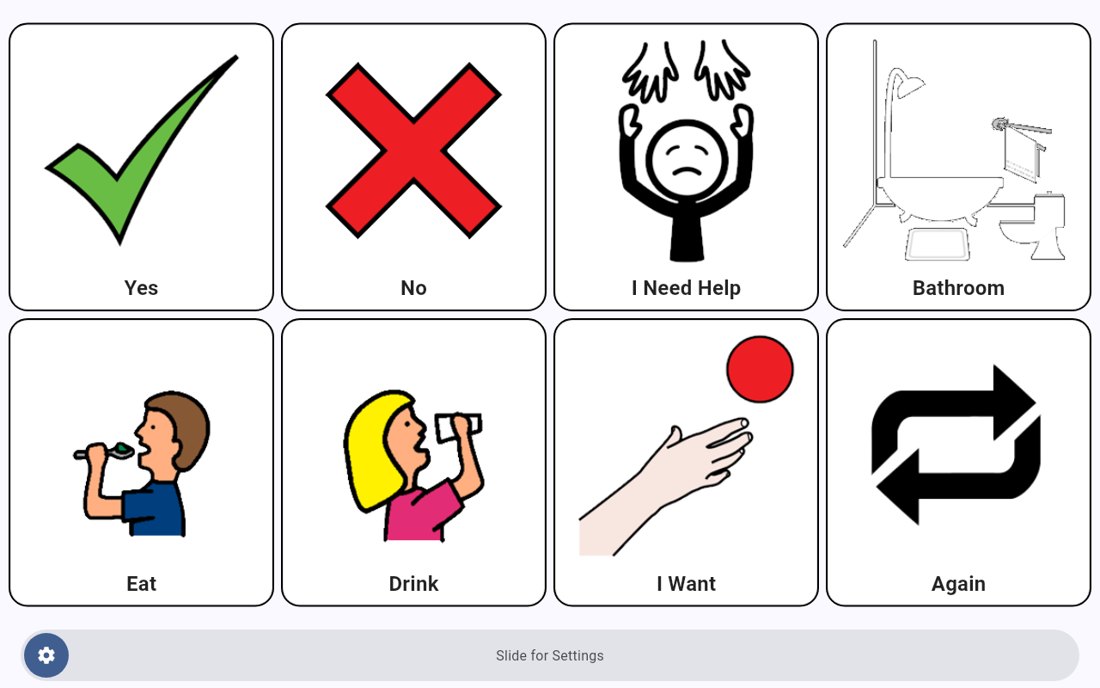
      AAC, or Augmentative and Alternative Communication, encompasses a wide range of communication methods and tools that support individuals who have difficulty with speech or language. These tools can be low-tech, like picture boards or sign language, or high-tech, such as speech-generating devices and communication apps. The goal of AAC is to provide a means for individuals to express themselves effectively, regardless of their communication challenges.

      Significance of AAC:

      1-Inclusive Communication: AAC empowers individuals with disabilities to participate in conversations, share their thoughts and feelings, and engage with their peers, family, and society in general. It bridges the communication gap, promoting inclusivity and social connections.

      2-Independence and Autonomy: AAC enables individuals to make choices, express needs/wants and make decisions independently. It promotes a sense of self-determination and autonomy, allowing AAC users to have more control over their lives.

      3-Educational Advancement: AAC plays a crucial role in education, allowing students with communication disabilities to access the curriculum and interact with their teachers and peers. It opens doors to learning and academic success.

      4-Career Opportunities: For adults, AAC can be a key factor in obtaining and maintaining employment. It ensures that individuals with communication disabilities have the tools they need to excel in the workplace.

      Supporting AAC Users:

      1-Awareness and Education: Educate yourself and others about AAC. Understand the different methods and devices available and how they work. Share this knowledge with your community to create a more inclusive environment.

      2-Respect and Patience: Communicating with AAC users may take more time and effort. Be patient, and respect their communication choices. Avoid making assumptions or finishing their sentences. Let them have their own voice.

      3-Promote Accessibility: Advocate for AAC accessibility in public spaces, schools, and workplaces. Ensure that AAC users have the support they need to communicate effectively.

      4-Empower AAC Users: Encourage AAC users to express themselves and participate in decision-making processes. Treat them as individuals with unique thoughts, feelings, and desires.

      Conclusion:

      AAC Awareness Month is a time to celebrate the achievements and contributions of AAC users while recognizing the importance of accessible communication for all. By understanding the significance of AAC and supporting AAC users, we can break down communication barriers and create a more inclusive society. Let’s work together to ensure that everyone has the opportunity to be heard and understood, regardless of their communication abilities. Please continue to help us give kids a voice.

    5. Unlocking the World of Non-Verbal Autism: An Insight

      Unlocking the World of Non-Verbal Autism: An Insight

      Non-verbal autism, also known as nonverbal communication disorder or NVC, is a condition that affects an individual’s communication abilities. It is a subtype of autism spectrum disorder (ASD), which impacts one in 54 children in the United States.

      Individuals with non-verbal autism face significant challenges in expressing themselves and understanding others, making communication a daily struggle. Despite these challenges, with the right support and understanding, individuals with non-verbal autism can lead fulfilling and happy lives.

      Key Takeaways:

      • Non-verbal autism is a subtype of autism spectrum disorder that impacts communication abilities.
      • Individuals with non-verbal autism face challenges in expressing themselves and understanding others.
      • With the right support and understanding, individuals with non-verbal autism can lead fulfilling lives.
      • Understanding nonverbal communication in individuals with autism is critical.
      • Non-verbal autism affects one in 54 children in the United States.

      Understanding Non-Verbal Autism: Causes and Symptoms

      Non-verbal autism, also known as nonverbal communication disorder, is a condition that impacts an individual’s ability to speak and communicate effectively. While the exact cause of non-verbal autism is unknown, research suggests that genetic and neurological factors may play a role.

      According to the DSM-5, the manual used by mental health professionals to diagnose conditions, some of the common symptoms associated with non-verbal autism include:

      • Difficulty with social interactions and communication
      • Repetitive behaviors or actions
      • Limited nonverbal communication, such as facial expressions or eye contact
      • Limited use of spoken language
      • Difficulty with understanding and expressing emotions

      While these symptoms can vary from person to person, they can significantly impact an individual’s ability to communicate and interact with others. It’s important to note that non-verbal autism is not a lack of intelligence or a choice; it is a neurological condition that affects an individual’s ability to communicate.

      Causes of Non-Verbal Autism

      The exact causes of non-verbal autism are not fully understood, but research suggests that genetic and neurological factors may play a role. Studies have found that certain genetic mutations and abnormalities in brain development can contribute to the development of non-verbal autism.

      Other potential causes of non-verbal autism include environmental factors, such as exposure to toxins or infections during pregnancy, or complications during birth.

      It’s important to note that while certain factors may increase the risk of developing non-verbal autism, the condition can occur in individuals with no known risk factors.

      Symptoms of Non-Verbal Autism

      Non-verbal autism is characterized by a range of symptoms that affect an individual’s ability to communicate effectively. Some of the most common symptoms include:

      • Difficulty with spoken language
      • Limited nonverbal communication, such as facial expressions or gestures
      • Difficulty with social interactions and understanding social cues
      • Repetitive behaviors or actions
      • Sensory sensitivities or aversions

      While these symptoms can vary from person to person, they can significantly impact an individual’s ability to interact with others and navigate daily life.

      Exploring Non-Verbal Autism: Treatment and Interventions

      While there is no cure for non-verbal autism, there are various treatment options and interventions available to help individuals communicate and improve their overall quality of life. The approach to treatment and intervention should be individualized and tailored to the specific needs of each person with non-verbal autism.

      Speech Therapy

      Speech therapy is a common treatment option for individuals with non-verbal autism. A speech therapist can help improve communication skills by teaching alternative forms of communication such as sign language, picture cards, or electronic communication devices. The focus of speech therapy is not only on speaking, but also on nonverbal communication such as body language and facial expressions.

      Occupational Therapy

      Occupational therapy can help individuals with non-verbal autism develop the skills necessary to perform daily activities independently. This can include teaching self-care, fine motor skills, and sensory integration techniques. Occupational therapy can also provide alternative communication strategies such as using visual aids to improve communication.

      Alternative Communication Methods

      Alternative communication methods such as augmentative and alternative communication (AAC) systems can help individuals with non-verbal autism communicate effectively. AAC systems include picture communication boards, voice output devices, and computer-based technology that can be used to supplement or replace speech. AAC systems can also help individuals with non-verbal autism better understand and navigate the world around them.

      It is important to note that there is no one-size-fits-all approach to treatment and intervention for non-verbal autism. Each individual with non-verbal autism has unique needs and may require a combination of different therapies and interventions.

      Non-Verbal Autism Research: Advancements and Findings

      Non-verbal autism is a complex condition that continues to be extensively researched. In recent years, there have been many breakthroughs in understanding the neurobiological and genetic factors that contribute to non-verbal autism.

      One important area of research is in the field of brain imaging. Studies have used functional magnetic resonance imaging (fMRI) and other imaging technologies to examine brain activity in individuals with non-verbal autism. These studies have shown that there are distinct differences in brain connectivity and activity in individuals with non-verbal autism, particularly in regions of the brain involved in language and social processing.

      Other research has focused on genetic factors that may contribute to non-verbal autism. Studies have identified specific genetic mutations that are associated with non-verbal autism, such as mutations in the CHD8 gene. These findings may provide valuable insights into the underlying causes of non-verbal autism, which could lead to more targeted and effective treatments.

      Non-Verbal Autism Research: Current Studies

      Currently, there are many ongoing studies exploring non-verbal autism. One notable study is the Simons Foundation Powering Autism Research for Knowledge (SPARK) study. SPARK is the largest genetic study of autism to date and aims to collect DNA samples and clinical information from 50,000 individuals with autism and their families. The goal is to gather a comprehensive dataset that will help researchers better understand the genetic and environmental factors that contribute to autism, including non-verbal autism.

      Another study is examining the use of music therapy as a treatment for non-verbal autism. Preliminary results from this study suggest that music therapy may help improve communication skills in individuals with non-verbal autism.

      Implications for Non-Verbal Autism Treatment

      The advancements in non-verbal autism research have significant implications for treatment and intervention. With a better understanding of the underlying causes of non-verbal autism, researchers may be able to develop more targeted and effective treatments. For example, if a genetic mutation is identified as a cause of non-verbal autism, researchers may be able to develop gene therapies to correct the mutation.

      In conclusion, non-verbal autism research has come a long way in recent years and there is still much to learn. Ongoing research studies and new advancements are helping to shed light on this complex condition and offer hope for improved treatments and interventions.

      Effective Communication Strategies for Non-Verbal Autism

      Communication can be a challenge for individuals with non-verbal autism, but there are ways to improve interactions and build meaningful connections. Here are some effective communication strategies:

      Visual Supports

      Visual supports can help individuals with non-verbal autism better understand language and communicate their thoughts and feelings. These supports can include picture schedules, social stories, and visual cues such as symbols or icons. Use clear and concise language with visual supports to reinforce their meaning.

      Augmentative and Alternative Communication (AAC) Systems

      AAC systems can be used to supplement or replace speech for individuals with non-verbal autism. These systems can include communication boards, electronic devices, or sign language. It’s important to find the right AAC system that fits the individual’s needs and abilities, and provide appropriate training and support to use it effectively.

      Sensory-Based Communication Techniques

      Individuals with non-verbal autism may have difficulty understanding or expressing verbal language, but they may respond well to sensory-based communication techniques. These techniques can include gestures, touch, or movement, which can help convey emotions or ideas. Observe and respond to the individual’s nonverbal cues to understand their communication needs and preferences.

      Effective communication strategies for non-verbal autism can improve social interactions, reduce frustration, and increase independence. However, it’s important to remember that each individual with non-verbal autism may have unique communication needs and abilities. By understanding and respecting these needs, we can build strong connections and support their communication skills.

      Resources for Non-Verbal Autism Support

      Living with non-verbal autism can present unique challenges for individuals and their families. However, there are several resources available to provide support and assistance.

      Online Support Groups

      Connecting with others who have similar experiences can be incredibly helpful for families and caregivers. Several online support groups exist specifically for those with non-verbal autism. These groups provide a safe space to share stories, ask questions, and receive advice from others who understand the challenges associated with non-verbal autism. Some popular options include:

      • Autism Support Network
      • The Autism Community in Action
      • Autism Speaks

      Educational Materials

      There are a wealth of educational materials available for individuals with non-verbal autism and their caregivers. These materials can provide insight into the condition and offer practical strategies for improving communication and social skills. Some recommended resources include:

      • The National Autistic Society’s guide to non-verbal autism
      • Temple Grandin’s book “The Autistic Brain”
      • The American Speech-Language-Hearing Association’s resources for augmentative and alternative communication (AAC)

      Organizations and Foundations

      Several organizations and foundations exist to support individuals with non-verbal autism and their families. These organizations offer a range of services, including advocacy, research, and support. Some notable examples include:

      • The Autism Society
      • The Organization for Autism Research
      • The Center for Autism and Related Disorders

      Overall, there are many resources available to support individuals with non-verbal autism and their families. By connecting with others and utilizing these resources, individuals with non-verbal autism can receive the assistance they need to thrive.

      The Impact of Non-Verbal Autism on Daily Life

      Non-verbal autism can have a significant impact on daily life, affecting communication, behavior, and social interactions. Individuals with non-verbal autism may experience challenges in expressing their needs and emotions, making it difficult to connect with others and form relationships.

      In addition to communication difficulties, individuals with non-verbal autism may also struggle with sensory processing, which can cause sensory overload or underresponsiveness to certain stimuli. This can lead to behavioral challenges and difficulty functioning in different environments.

      Education can also present challenges for individuals with non-verbal autism, as the traditional classroom setting may not be suitable for their learning style. Adaptations such as individualized education plans (IEPs), assistive technology, and sensory-friendly classrooms can help support their learning and development.

      Despite the challenges, individuals with non-verbal autism have unique strengths and abilities that should be celebrated. By understanding and supporting their needs, we can work towards creating a more inclusive and accepting society.

      Nurturing Connections: Building Relationships with Non-Verbal Autistic Individuals

      Building relationships with non-verbal autistic individuals requires patience, empathy, and understanding. It’s essential to remember that communication goes beyond words and requires active listening, observation, and interpretation of nonverbal cues. Here are some tips to help you build meaningful connections with individuals with non-verbal autism.

      Focus on Non-Verbal Communication

      In individuals with non-verbal autism, nonverbal communication is just as important, if not more, than verbal communication. Pay attention to facial expressions, body language, and gestures, and respond accordingly. Use visual aids, such as pictures and symbols, to aid in understanding and communicating.

      Create a Sensory-Friendly Environment

      Sensory needs are often an essential factor for individuals with non-verbal autism. Create a sensory-friendly environment by reducing sensory overload and providing opportunities for sensory stimulation. This can include dimming the lights, adding fidget toys, or providing noise-cancelling headphones.

      Use Positive Reinforcement

      Positive reinforcement can be a powerful tool in building relationships with individuals with non-verbal autism. Praising efforts, providing rewards, and using social stories can help encourage positive behaviors and foster trust and connections.

      Respect Individuality and Personal Space

      Recognize that individuals with non-verbal autism have unique interests, abilities, and preferences. Respect personal space, and allow them to guide the interaction and pace. Avoid making assumptions or generalizations and instead focus on building connections on an individual level.

      In conclusion, building relationships with individuals with non-verbal autism requires patience, understanding, and flexibility. By focusing on nonverbal communication, creating a sensory-friendly environment, using positive reinforcement, and respecting individuality and personal space, we can nurture meaningful connections that benefit everyone.

      The Role of Assistive Technology in Non-Verbal Autism

      Assistive technology can play a crucial role in supporting communication and independence for individuals with non-verbal autism. These technologies can help individuals communicate their needs and desires, interact with others, and access educational and leisure activities. Here are some examples of assistive technology commonly used in non-verbal autism:

      Technology Description Benefits
      AAC devices (Augmentative and Alternative Communication) Electronic devices that use symbols, pictures, or text to represent words and phrases Enable individuals to communicate more effectively and efficiently than with traditional speech alone
      Sensory-based communication devices Devices that use tactile or visual cues to communicate a message, such as a vibrating watch or visual timer Help individuals understand and respond to the world around them, improving communication and behavior
      Computer-based learning programs Interactive software programs that help individuals with non-verbal autism learn academic or social skills Provide personalized instruction and feedback, promoting learning and independence

      In addition to these technologies, there are also mobile apps, software programs, and other specialized devices that can be customized to meet the needs of individuals with non-verbal autism. It’s important to work with a professional to determine which assistive technology is most appropriate for each individual.

      Assistive technology not only enhances communication but also supports independence and participation in daily activities. It can improve quality of life and provide opportunities for individuals with non-verbal autism to engage more fully with the world around them.

      Non-Verbal Autism in Education: Inclusion and Support

      Education is a critical component of overall development for individuals with non-verbal autism. However, traditional educational settings may not always be accommodating to their needs. Implementing inclusive classroom practices and creating individualized support plans are crucial for their academic success and personal growth.

      Inclusive classrooms are designed to cater to the unique needs of all students, including those with non-verbal autism. Inclusion involves adapting the curriculum, teaching methods, and assessment techniques to meet the specific requirements of each student. It also involves providing support through special education services, such as speech therapy and occupational therapy.

      Creating an individualized support plan is another essential aspect of non-verbal autism education. The plan should be tailored to address the specific challenges faced by the student, such as communication difficulties and sensory sensitivities. The plan should also outline the accommodations necessary for the student to succeed academically, such as assistive technology and visual aids.

      Collaboration between parents, educators, and support specialists is essential for creating a successful individualized support plan. Parents should be involved in the planning process and provide relevant information about the student’s strengths, weaknesses, and preferences. Educators should be trained in working with individuals with non-verbal autism and adapting the curriculum to suit their needs. Support specialists, such as speech therapists and occupational therapists, should also be involved in creating and implementing the support plan.

      Overall, inclusive classrooms and individualized support plans are crucial for the academic and personal growth of individuals with non-verbal autism. By implementing these practices, we can create a more inclusive educational system that caters to the unique needs of all students.

      Advocating for Non-Verbal Autism: Raising Awareness and Understanding

      Advocacy plays a vital role in raising awareness and understanding of non-verbal autism, and promoting acceptance and inclusion in society. By advocating for individuals with non-verbal autism, we can help create a world that is more accommodating and supportive of their unique needs and abilities.

      One way to advocate for non-verbal autism is to share information and resources with family, friends, and community members. By spreading awareness and understanding of non-verbal autism, we can help reduce stigma and misconceptions surrounding the condition.

      Another way to advocate for non-verbal autism is to get involved with local and national organizations that support the non-verbal autism community. These organizations provide valuable resources and support for individuals with non-verbal autism and their families, and also offer opportunities to get involved in advocacy efforts.

      Advocacy also involves pushing for change in government policies and laws that impact individuals with non-verbal autism. By advocating for policies that promote inclusion and support for individuals with non-verbal autism, we can help create a more inclusive society that values and respects the diversity of all individuals.

      Ultimately, advocating for non-verbal autism is about creating a world where individuals with non-verbal autism are understood, valued, and supported. By continuing to raise awareness and promote acceptance, we can help build a more inclusive and compassionate society for all.

      Conclusion

      Throughout this article, we have explored the world of non-verbal autism and its impact on communication. We have discussed the possible causes and symptoms of non-verbal autism, as well as various treatment options and interventions available. We have also highlighted recent research findings and advancements in the field.

      Effective communication strategies, resources, and assistive technology play a vital role in supporting individuals with non-verbal autism. We have discussed the challenges faced by individuals with non-verbal autism in daily life and strategies for overcoming them. Building meaningful relationships, advocating for awareness and understanding, and creating inclusive educational environments are also crucial aspects of non-verbal autism support.

      As we conclude, it is essential to emphasize that understanding and supporting individuals with non-verbal autism is crucial. We must continue to advocate for awareness and acceptance of non-verbal autism and provide ongoing support to the non-verbal autism community. By doing so, we can help individuals with non-verbal autism to thrive and reach their full potential.

      Non-Verbal Autism Support

      For those looking for more information and support, there are numerous resources available. The Autism Society of America provides resources and support for individuals with autism and their families. The National Autism Association offers advocacy and support for families affected by autism. Additionally, Autism Speaks offers resources, events, and advocacy for families and individuals with autism.

      It is important to seek support and connect with others in the non-verbal autism community. Online support groups and local organizations are excellent resources for finding information and connecting with others who share similar experiences.

      FAQ

      What is non-verbal autism?

      Non-verbal autism is a form of autism spectrum disorder (ASD) where individuals have limited or no speech abilities. Despite their difficulty with verbal communication, they may still be able to understand and express themselves in other ways.

      What causes non-verbal autism?

      The exact causes of non-verbal autism are not fully understood, but it is believed to be a result of a combination of genetic and neurological factors. Research suggests that differences in brain development and connectivity may contribute to the communication challenges seen in individuals with non-verbal autism.

      What are the common symptoms of non-verbal autism?

      Common symptoms of non-verbal autism include limited speech or complete absence of speech, difficulty with social interactions and understanding social cues, repetitive behaviors, sensory sensitivities, and challenges with expressive and receptive language skills.

      What treatment options are available for non-verbal autism?

      There are various treatment options and interventions available for individuals with non-verbal autism. These may include speech therapy, occupational therapy, picture communication systems, alternative and augmentative communication (AAC) devices, behavioral interventions, and sensory-based interventions.

      What recent advancements have been made in non-verbal autism research?

      Recent research in non-verbal autism has focused on improving understanding and support for individuals with limited speech abilities. Studies have explored the use of technology, such as eye-tracking devices, to assess and enhance communication skills. Additionally, research has looked at the impact of early intervention programs on language development in non-verbal individuals with autism.

      What are some effective communication strategies for non-verbal autism?

      Effective communication strategies for individuals with non-verbal autism include the use of visual supports, such as visual schedules and social stories, augmentative and alternative communication (AAC) systems, such as picture communication boards or speech-generating devices, and sensory-based communication techniques that incorporate the individual’s sensory preferences.

      Are there any resources available for non-verbal autism support?

      Yes, there are resources available for families, caregivers, and professionals working with individuals with non-verbal autism. Online support groups, educational materials, and organizations dedicated to supporting the non-verbal autism community can provide valuable information and assistance.

      How does non-verbal autism impact daily life?

      Non-verbal autism can impact various aspects of daily life, including communication, education, and social interactions. Individuals with non-verbal autism may face challenges in expressing their needs and understanding others, require additional support in educational settings, and experience difficulties in forming and maintaining social relationships.

      How can I build relationships with non-verbal autistic individuals?

      Building relationships with non-verbal autistic individuals requires patience, empathy, and understanding. It is important to communicate in ways that are comfortable for them, such as utilizing visual supports or alternative communication methods. Taking the time to listen, engage in activities they enjoy, and respect their boundaries can help foster meaningful connections.

      What role does assistive technology play in non-verbal autism?

      Assistive technology plays a significant role in supporting communication and independence for individuals with non-verbal autism. AAC devices, speech-generating devices, and other assistive technologies can aid in expressing thoughts and needs, enhancing social interactions, and promoting participation in various activities.

      How can non-verbal autism be supported in educational settings?

      Supporting non-verbal autism in educational settings involves creating inclusive classrooms and implementing individualized support plans. This may include adapting curriculum to suit individual needs, providing visual supports, and utilizing AAC systems to promote communication and participation.

      How can I raise awareness and advocate for non-verbal autism?

      You can raise awareness and advocate for non-verbal autism by sharing information about the condition, promoting acceptance and inclusion, and supporting organizations that provide resources and support to individuals with non-verbal autism. By challenging stereotypes and promoting understanding, we can create a more inclusive and supportive society.

    6. Guiding the Calm: Teaching Self-Soothing Techniques to Non-Verbal Autistic Children with AAC Devices

      Guiding the Calm: Teaching Self-Soothing Techniques to Non-Verbal Autistic Children with AAC Devices

      We’re back today to explore a crucial aspect of parenting a non-verbal autistic child – teaching self-soothing techniques. Managing emotions can be uniquely challenging for these children, particularly because of communication difficulties. However, with tools like Augmentative and Alternative Communication (AAC) devices, which our foundation is proud to supply free of charge, we can bridge these communication gaps and empower our children to self-soothe.

      Non-verbal autistic children often have unique ways of expressing their emotions. Frustration, anxiety, or distress may present as physical symptoms like agitation, restlessness, or meltdowns. It’s vital to offer comfort during these moments, but it’s equally important to equip them with self-soothing skills, fostering emotional self-regulation and resilience.

      Here are some strategies to help your non-verbal autistic child learn to self-soothe using AAC devices:

      Visual Communication via AAC:
      AAC devices can provide visual cues, aiding children in understanding complex emotions and appropriate responses. You can use these devices to create visual schedules, emotion charts, or even calming scripts. These visuals can guide them through the process of calming down – from recognizing emotional triggers to taking deep breaths or engaging in a calming activity.

      Create a Sensory-Safe Space:
      Design a quiet, comforting space where your child can retreat when feeling overwhelmed. This area can be coupled with the AAC device to help children express their need for a break. You can equip the space with soothing items like soft cushions, favorite toys, or sensory bins.

      Music and Sounds:
      Many non-verbal autistic children respond positively to calming music or ambient sounds. You can use AAC devices to play their favorite calming sounds or music, helping them associate these sounds with relaxation and emotional regulation.

      Use AAC for Repetitive Scripts:
      Repetitive scripts can have a calming effect on autistic children. You can program your AAC device with phrases or statements that your child finds comforting. They can play these phrases when they feel anxious or stressed, helping them calm down.

      AAC Guided Breathing Exercises:
      Breathing exercises can be calming for some children. Though teaching this might be challenging, AAC devices can help by providing a visual or auditory guide, such as inflating and deflating a virtual balloon in sync with breaths.

      Deep Pressure Therapy:
      Deep pressure therapy, such as firm hugs or weighted blankets, can calm an overstimulated nervous system. If your child responds well to this, you can program a prompt into their AAC device, reminding them to ask for a hug or fetch their blanket when they start feeling overwhelmed.

      Every child is unique, and it’s crucial to explore various strategies to find what works best for your child. Remember, the goal is not to eliminate all stress but to equip your child with tools to navigate their emotions independently.

      At the Robert Norton Foundation, we are proud to support families on this journey by providing AAC devices free of charge. By harnessing the power of communication, we hope to empower your child to understand and express their emotional needs better, fostering self-soothing, resilience, and confidence. We are with you every step of this journey, towards a world of more understanding, acceptance, and love.