
Category: School & Therapy

  • Back to School Tips and Advice for Parents of Non-Verbal Autistic Children!

    Back to School Tips and Advice for Parents of Non-Verbal Autistic Children!

    School is Back in Session!  

    For most of us, the school year is among us! Let’s be honest because I know the feeling. If you are anything like our family with an autistic, non-verbal child you may be feeling a mixture of relief and apprehension. Summer was very challenging due to the disruption of routine and inconsistency of specialized services like camps and therapies. However, the return to school has been a beacon of hope, offering structure, consistency, and the chance for our Robert to thrive in a supportive environment.  

    For us routines are crucial! The predictability and structure that routines provide really help reduce anxiety and make transitions smoother. The week before school started, we began reintroducing school-related routines at home. Here is what worked for us: 

    • Morning Routines: Set a consistent wake-up time, practice getting dressed, and eat breakfast at the same time each day. 
    • Evening Routines: Reinstated bedtime routines, such as setting out clothes for the next day, winding down with a calming activity, and having a consistent bedtime. 
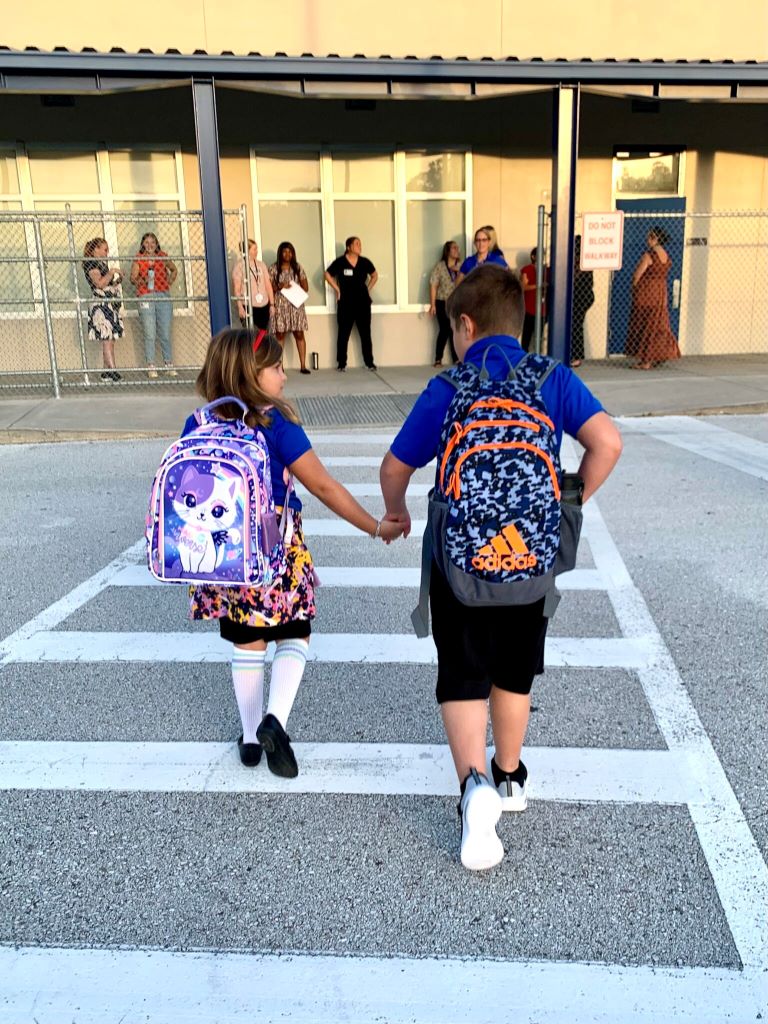
    • Practice School Activities: We participated in the school’s open house; we practiced what the drop off would look like in the morning or simulated classroom activities to help your child feel more comfortable. 

    Before the school year began, I personally reached out to the teachers, aides, and any relevant staff to discuss Robert’s specific needs. Shared any insights about what worked well last year and what didn’t. Some of which included: 

    • Communication Preferences: Robert has a communication device, two sign languages symbols, he points and gestures. This was the staff is familiar with his communication preferences. 
    • Sensory Needs: Discussed that Robert enjoys playing with water, so he will likely stop at every water fountain. He likes putting objects in his mouth, so cleanliness is important. 
    • Behavioral Strategies: Shared effective strategies to help manage behaviors that might arise due to anxiety, frustration, or overstimulation. 
    • Comfort Items: Allow your child to bring a familiar item from home, such as a favorite toy or a piece of clothing, to provide comfort during the school day. 

    The first few weeks of school might come with challenges but staying involved and patient will make a significant difference. Keep in regular contact with your child’s teachers, celebrate small successes, and be gentle with yourself and your child as you both adjust. After school, having a consistent way to check in with your child is super helpful. Whether through a communication device, visual aids, or simply observing their behavior. Try to keep track of your child’s progress and communicate regularly with teachers to ensure they’re receiving the support they need. 

    Conclusion 

    Returning to school after a long summer can be a daunting transition or a reprieve from what I considered chaos and inconsistency. But with preparation, communication, and a focus on routines, you can help your non-verbal autistic child not only adjust but thrive. Remember, you’re not alone on this journey even though it feels like we are, lean on your family, friends and the school staff to ensure a smooth and successful start to the school year. Wishing everyone a year filled with growth, learning, smooth transitions and joyful routines! 

  • Navigating the New School Year: Supporting Your Non-Verbal Child with ASD and Collaborating with Teachers and Therapists

    Navigating the New School Year: Supporting Your Non-Verbal Child with ASD and Collaborating with Teachers and Therapists

    The dawn of a new school year often ushers in a flurry of emotions for parents: anticipation, nervousness, and hope. For those supporting a non-verbal child with autism spectrum disorder (ASD), such as Robert, this period can be especially poignant. Building bridges with teachers and therapists, understanding classroom dynamics, and ensuring the continuity of therapeutic practices are all part of this intricate dance. Here’s how to weave these elements together for a successful academic year:

    1. Initiate Early Communication

    With Teachers:

    Prior to the school year’s commencement, arrange a meeting with your child’s new teacher. Use Robert’s experience as an example. Discuss your child’s non-verbal status, their unique strengths and challenges, and any particular accommodations they might need. Giving educators a window into your child’s world can prepare them to craft a nurturing and effective learning environment.

    With Therapists:

    Whether your child is transitioning to a new therapist or continuing with a familiar face, re-establishing communication is key. Outline the goals for the upcoming year, update them about any progress or changes in routine, and ensure that school learning and therapy are aligned.

    2. Leverage Technology and Tools

    Consider investing in communication tools suitable for your child, be it a picture exchange system, a tablet with specialized apps, or any other augmentative and alternative communication (AAC) tools. As you know, we provide these devices to families and caregivers of non-verbal autistic children – simply fill out this form and we will contact you! Robert uses his GKAV (Give Kids A Voice) device at home, in school, and in therapy. Having these tools can greatly assist in bridging the communication gap in both the classroom and therapy sessions.

    3. Consistent Check-ins

    Maintain a regular check-in routine with educators and therapists. This can be in the form of a communication log, weekly email updates, or scheduled monthly meetings. Consistency is vital to track progress, address challenges, and celebrate milestones.

    4. Promote a Holistic Approach

    Encourage a balanced routine that goes beyond academics and therapy. Activities like sensory play, music classes, or simple outdoor excursions can be beneficial for a non-verbal child with ASD. Using Robert’s experience as a reference, incorporating these can provide alternative avenues for expression and stimulation.

    5. Educate and Advocate

    Ensure that the school community is aware and accepting. Work with the school to conduct sessions or workshops on ASD and the unique challenges faced by non-verbal children. Advocacy can foster an inclusive environment, not just for your child but for every student who may be grappling with similar challenges.

    Conclusion

    Using Robert’s journey as an illustrative example, it’s evident that supporting a non-verbal child with ASD throughout the school year requires dedication, patience, and collaboration. Every child, regardless of where they fall on the spectrum, deserves an enriching educational experience. With early communication, the right tools, consistent check-ins, a holistic approach, and continued advocacy, we can make the school environment a nurturing space for these exceptional children.