Category: Safety & Outings

  • Water Safety and Communication: Saving Lives for Children with Autism

    Water Safety and Communication: Saving Lives for Children with Autism

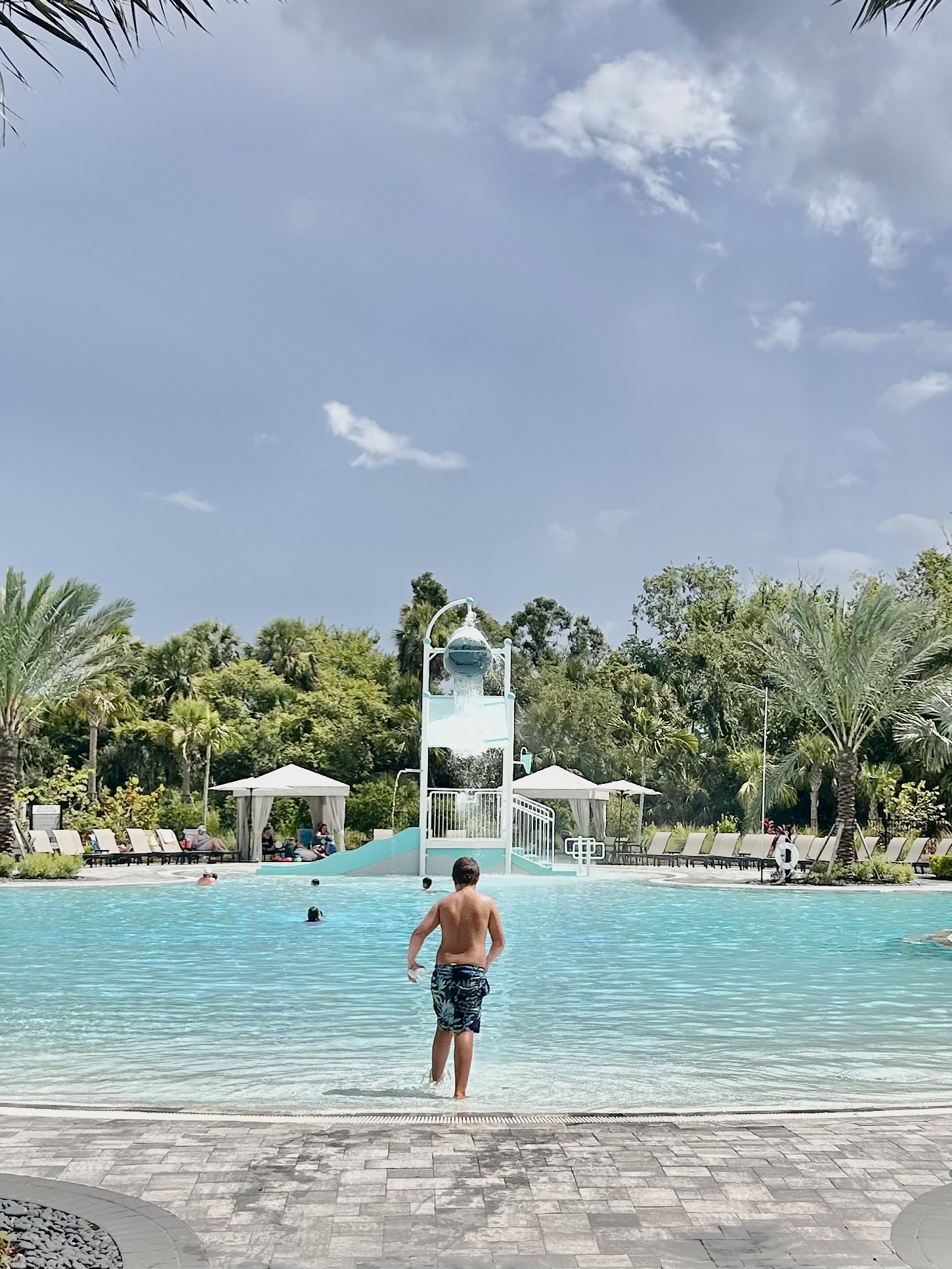
    For families of children with autism, water can be both a source of joy and a serious risk. In Florida, where pools, lakes, and beaches are everywhere, water safety is an urgent issue, especially for children with autism who are statistically more vulnerable.

    According to the National Autism Association, drowning is the leading cause of death for children with autism. In fact, autistic children are 160 times more likely to die from drowning than their typically developing peers. In the Tampa Bay area alone, heartbreaking cases have made headlines over the past several years—children with autism slipping away from caregivers for only a few moments and tragically losing their lives to drowning.

    Many of these children are nonverbal, which means they cannot call out for help, explain if they are lost, or tell someone they are in danger. This is where access to communication devices can make the difference between life and death. By giving a child a voice—through an AAC (Augmentative and Alternative Communication) device—we can reduce frustration, improve awareness, and even allow them to ask for help in emergencies.

    At the Robert Norton Foundation, we believe that communication is safety. When a child has the tools to express themselves, their world opens up! Not just emotionally and socially, but physically, too. Pairing water safety education with access to communication devices can literally save lives.

    What Parents Can Do:

    Prioritize water safety lessons. Many organizations in Tampa Bay offer adaptive swim lessons for children with special needs.

    Never let your guard down around water. Even a small body of water, like a retention pond or backyard pool, can be dangerous.

    Consider an AAC device. Giving your child a way to express themselves can help reduce wandering, anxiety, and unsafe behaviors near water.

    How You Can Help

    At the Robert Norton Foundation, we provide communication devices to nonverbal children with autism, helping families who otherwise could not afford them. These devices are more than technology, they’re a lifeline.

    With your support, we can reach more families in Tampa Bay and beyond.

    Donate today to help provide a device for a child in need.

    Partner with us to bring water safety and communication awareness into your community.

    Share our mission to spread the word that communication saves lives.

    Together, we can prevent tragedies and create a safer, more connected future for children with autism.
  • The Importance of High-Visibility Clothing for Non-Verbal Autistic Children in Crowded Places

    The Importance of High-Visibility Clothing for Non-Verbal Autistic Children in Crowded Places

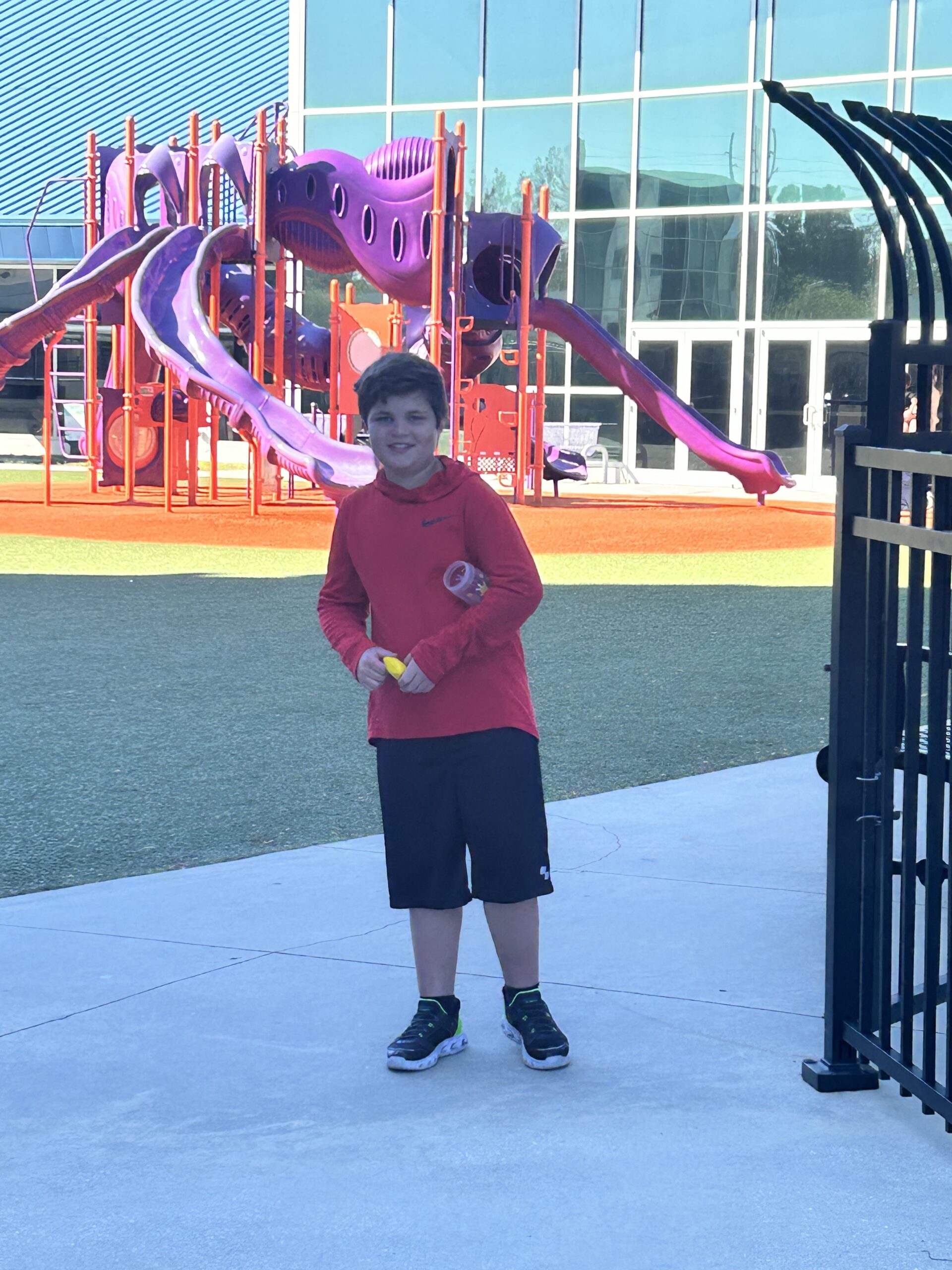
    When taking non-verbal autistic children to crowded places such as amusement parks or community events, it’s crucial to ensure their safety and visibility. Wearing bright and easily identifiable clothing is one essential strategy to manage the risks associated with such environments. This blog post explores why high-visibility clothing is vital and offers practical tips to enhance the safety of these outings.

    Why High-Visibility Clothing is Important:

    • Easy Identification: Bright clothing makes it easier for parents and caregivers to keep visual contact with their children in crowded places.
    • Safety in Crowds: In case of separation, it is easier for others, including emergency personnel, to spot a child wearing bright clothing.
    • Reduced Risk of Elopement: Many children with autism may exhibit elopement behaviors; vivid clothing helps in quickly locating them if they wander off.

    Practical Tips for Outfitting Your Child:

    • Choose Bright Colors: Opt for neon or high-contrast colors like bright yellows, oranges, or greens.
    • Use Reflective Materials: Incorporate clothing or accessories with reflective materials, especially useful during evening outings.
    • Consistency in Clothing: Whenever going to potentially crowded environments, dress your child in a specific bright outfit that they and others will easily recognize.

    Incorporating Sensory Preferences:

    Understand your child’s sensory preferences and tolerances. Some children might be sensitive to certain fabrics or fits. Select comfortable clothes that meet both sensory needs and visibility requirements.

    Communication Aids:

    Ensure that your child carries an Augmentative and Alternative Communication (AAC) device, especially in public settings. This can be crucial for them to express their needs or identify themselves if they get lost.

    Conclusion:

    Dressing non-verbal autistic children in high-visibility clothing is a straightforward yet effective measure to enhance their safety in public spaces. Coupled with constant supervision and communication tools, it forms a comprehensive approach to ensuring their well-being during outings.

    For further detailed strategies and personal stories, exploring resources like Autism Speaks can provide additional insights and community experiences related to managing autism in various environments.

  • The Critical Importance of Supervising Non-Verbal Autistic Children Near Water

    The Critical Importance of Supervising Non-Verbal Autistic Children Near Water

    As the pool and beach season nears, water safety is a crucial concern for all parents, but for those with non-verbal autistic children, the stakes are even higher. Due to their unique challenges, these children are at a significantly increased risk of drowning. This blog post explores this issue and offers strategies to help keep these vulnerable children safe.

    Understanding the Risks:

    Research indicates that children with autism are up to 160 times more likely to experience drowning incidents than their neurotypical peers. This heightened risk is partly due to their tendencies to wander and their attraction to water. Moreover, sensory processing issues can make water environments particularly hazardous for children with autism.

    Preventative Measures:

    • Supervision: Constant, vigilant supervision is essential when non-verbal autistic children are near water. This includes pools, ponds, lakes, and the ocean.
    • Secure Environments: Ensuring that home pools are surrounded by a high, non-climbable fence with a self-latching gate can prevent unsupervised access to water.
    • Communication and Behavior Strategies: Work on communication that helps your child understand the dangers associated with water and what to do in an emergency. For non-verbal children, using visual aids or AAC devices can be particularly effective.
    • Safety Training: Teach water safety and swimming skills in a controlled environment. Look for programs specifically designed for children with autism.

    Community and Education:

    Educating friends, family, and neighbors about the risks and the necessary precautions can further safeguard a child. Community awareness programs can help by providing resources and training on how to interact and assist in emergencies.

    For further insights into the dangers associated with water and autism, as well as additional safety tips, please refer to detailed articles on Stop Drowning Now and HealthyChildren.org.

    Additionally, the recent tragic story of a father who died while saving his non-verbal autistic 4 year old child from drowning highlights the critical need for awareness and preparedness in such situations. You can read more about this tragic incident on NBC-2.

    Conclusion:

    This blog post aims to raise awareness and provide actionable advice to help prevent drowning incidents, ensuring that non-verbal autistic children can enjoy a safer environment around water.

  • Navigating Big Events with Your Non-Verbal Autistic Child: Tips for a Safe and Enjoyable Experience

    Navigating Big Events with Your Non-Verbal Autistic Child: Tips for a Safe and Enjoyable Experience

    Big public events like Gasparilla in Tampa or local parades can be thrilling and fun-filled experiences for families. However, for families with non-verbal autistic children, these events can also present unique challenges. From sensory overload to safety concerns, there’s a lot to consider. Here are some tips to help ensure that your family enjoys these events safely and happily.

    Preparation is Key

    • Understand the Event: Research the event beforehand. Know the schedule, the layout of the venue, and the type of activities that will take place. This information can help you plan your visit around quieter times or less crowded areas.
    • Social Stories: Use social stories or visual schedules to prepare your child for what to expect. Explain the sights and sounds they might encounter.
    • Safety Measures: Consider a safety bracelet or ID for your child with your contact information. Teach your child, if possible, how to identify event staff or police officers.

    Sensory Considerations

    • Noise-Canceling Headphones: Large crowds and loud noises can be overwhelming. Noise-canceling headphones can help minimize auditory overstimulation.
    • Sensory Toys: Bring along familiar sensory toys or comfort items to help your child stay calm and engaged.

    Choose a Strategic Location

    • Avoid Crowds: Find a spot that’s less crowded. This might mean watching a parade from a distance or choosing a less popular area.
    • Easy Exit: Ensure you have a clear and easy way to exit if your child becomes overwhelmed and needs to leave quickly.

    Geolocation Safety Tools

    • Using AirTags or Similar Devices: Equip your child with a discreet geolocation device like an AirTag. This can help you quickly locate them if you get separated in a crowd.

    Plan for Breaks

    • Quiet Zones: Identify quiet areas where you can take breaks. Some events have designated sensory-friendly spaces.
    • Bring Snacks and Drinks: Having familiar snacks and drinks can help soothe and distract your child if they become restless.

    Be Flexible

    Have a Backup Plan: Be prepared to leave early if the event becomes too much for your child. It’s okay to step out and not see everything.

    Post-Event Care

    Wind-Down Time: After returning home, allow your child time to relax and decompress in a comfortable and familiar environment.

    Attending large events with a non-verbal autistic child requires planning and flexibility, but with the right preparation, it can be an enjoyable and enriching experience for the whole family. Remember, every child is different, so what works for one may not work for another. Trust your instincts, and don’t hesitate to make the choices that are best for your family.

  • The Power of the Sunflower: Enhancing Air Travel for Children with Hidden Disabilities

    The Power of the Sunflower: Enhancing Air Travel for Children with Hidden Disabilities

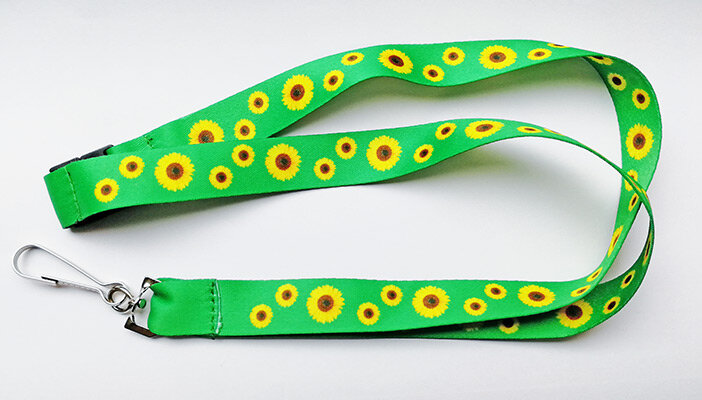
    Greetings from the Robert Norton Foundation! Today, we wish to highlight a program that has been making a significant difference in the lives of many families worldwide – the Sunflower Lanyard Program.

    The sunflower, with its cheerful color and robust nature, symbolizes strength, positivity, and resilience, an apt representation of our children with hidden disabilities. The Sunflower Lanyard Program, thus, has become an essential tool in bridging gaps, promoting inclusivity, and ensuring a comfortable travel experience for these children and their families.

    Airports can be an overwhelming place, filled with bustling crowds, loud noises, and a flurry of activities. For children with hidden disabilities such as autism, ADHD, or sensory processing disorders, navigating through this environment can be particularly stressful. The Sunflower Lanyard Program aims to alleviate some of these stresses, providing additional support and understanding for these children and their families.

    Initiated in the UK and now widely recognized globally, the program allows those with hidden disabilities to wear a green lanyard adorned with bright sunflowers, signaling to airport staff that they may require additional support or understanding. It’s a discreet yet effective way to communicate the child’s unique needs without them having to disclose their condition verbally at every juncture.

    Here’s how the Sunflower Lanyard Program benefits families:

    Increased Understanding and Patience: Airport staff trained in the program are more patient, understanding that children may need more time to process information or might react differently to certain situations.

    Prioritized Security Screening: Some airports provide priority screening, reducing wait times, and minimizing stress for children with hidden disabilities.

    Adapted Communication: Staff can adapt their communication style to be more accessible and less overwhelming for children.

    Special Assistance: In some cases, children may be allowed early boarding or be provided with a quieter waiting area to reduce sensory overload.

    The Sunflower Lanyard Program’s brilliance lies in its simplicity – it opens up a non-verbal channel of communication, allowing our children to move through a usually stressful environment with more comfort and dignity.

    As a parent, you can obtain a sunflower lanyard at participating airports or order one online. It’s also advisable to contact your airline in advance to discuss specific needs or accommodations your child may require.

    At the Robert Norton Foundation, we are incredibly supportive of such initiatives that encourage inclusivity, understanding, and kindness. We believe in a world where our children, irrespective of their disabilities, visible or hidden, can experience and enjoy life to the fullest.

    The Sunflower Lanyard Program is a significant step towards this goal, illuminating the path with its bright sunflower symbol, guiding our children, and assuring them that their needs are recognized and valued. After all, it’s these little changes that make a world of difference in their lives and ours. Let’s continue to make air travel a more accessible and enjoyable experience for all our children!

  • How K9 Units are Helping to Keep Non-verbal children safe

    The safety of children is a top priority for parents and caregivers everywhere. Unfortunately, children with communication challenges, such as those with non-verbal autism, may face increased safety risks if they become lost or wander away from caregivers. That’s why we at www.givekidsavoice.org are dedicated to empowering non-verbal children and their families by providing them with a voice through assistive communication technologies. Recently, we were inspired by the story of a Florida K9 who helped find a missing non-verbal child and we wanted to share it with our community.

    In a heartwarming story that made headlines across the country, a K9 named “Koda” helped find a missing non-verbal child in Florida. The child had wandered away from home and was found in a wooded area by Koda and his handler, Deputy Ron Belmont. Koda was able to locate the child using his tracking skills and by following the child’s scent.

    While this story has a happy ending, it highlights the potential risks faced by non-verbal children who may have difficulty communicating their needs and whereabouts. That’s where assistive communication technologies, like those offered by www.givekidsavoice.org, can play a crucial role in keeping non-verbal children safe.

    At www.givekidsavoice.org, we believe that every child deserves a voice, regardless of their communication abilities. Our mission is to provide non-verbal children and their families with the tools and resources they need to communicate effectively and navigate the world around them. By using technology, such as picture exchange communication systems (PECS) and text-to-speech apps, non-verbal children can express their thoughts, needs, and emotions to those around them.

    We are inspired by the work of Koda and his handler, as well as the many other K9 units across the country who work to keep children safe. At www.givekidsavoice.org, we are committed to empowering non-verbal children and their families by providing them with the communication tools they need to stay safe and thrive. If you or someone you know is looking for assistive communication technologies for a non-verbal child, please visit our website to learn more about our services and resources. Together, we can help give every child a voice.

    https://www.wfla.com/news/florida/watch-florida-k9-helps-find-missing-non-verbal-child/