
Category: Parenting & Family Life

  • Guiding the Calm: Teaching Self-Soothing Techniques to Non-Verbal Autistic Children with AAC Devices

    Guiding the Calm: Teaching Self-Soothing Techniques to Non-Verbal Autistic Children with AAC Devices

    We’re back today to explore a crucial aspect of parenting a non-verbal autistic child – teaching self-soothing techniques. Managing emotions can be uniquely challenging for these children, particularly because of communication difficulties. However, with tools like Augmentative and Alternative Communication (AAC) devices, which our foundation is proud to supply free of charge, we can bridge these communication gaps and empower our children to self-soothe.

    Non-verbal autistic children often have unique ways of expressing their emotions. Frustration, anxiety, or distress may present as physical symptoms like agitation, restlessness, or meltdowns. It’s vital to offer comfort during these moments, but it’s equally important to equip them with self-soothing skills, fostering emotional self-regulation and resilience.

    Here are some strategies to help your non-verbal autistic child learn to self-soothe using AAC devices:

    Visual Communication via AAC:
    AAC devices can provide visual cues, aiding children in understanding complex emotions and appropriate responses. You can use these devices to create visual schedules, emotion charts, or even calming scripts. These visuals can guide them through the process of calming down – from recognizing emotional triggers to taking deep breaths or engaging in a calming activity.

    Create a Sensory-Safe Space:
    Design a quiet, comforting space where your child can retreat when feeling overwhelmed. This area can be coupled with the AAC device to help children express their need for a break. You can equip the space with soothing items like soft cushions, favorite toys, or sensory bins.

    Music and Sounds:
    Many non-verbal autistic children respond positively to calming music or ambient sounds. You can use AAC devices to play their favorite calming sounds or music, helping them associate these sounds with relaxation and emotional regulation.

    Use AAC for Repetitive Scripts:
    Repetitive scripts can have a calming effect on autistic children. You can program your AAC device with phrases or statements that your child finds comforting. They can play these phrases when they feel anxious or stressed, helping them calm down.

    AAC Guided Breathing Exercises:
    Breathing exercises can be calming for some children. Though teaching this might be challenging, AAC devices can help by providing a visual or auditory guide, such as inflating and deflating a virtual balloon in sync with breaths.

    Deep Pressure Therapy:
    Deep pressure therapy, such as firm hugs or weighted blankets, can calm an overstimulated nervous system. If your child responds well to this, you can program a prompt into their AAC device, reminding them to ask for a hug or fetch their blanket when they start feeling overwhelmed.

    Every child is unique, and it’s crucial to explore various strategies to find what works best for your child. Remember, the goal is not to eliminate all stress but to equip your child with tools to navigate their emotions independently.

    At the Robert Norton Foundation, we are proud to support families on this journey by providing AAC devices free of charge. By harnessing the power of communication, we hope to empower your child to understand and express their emotional needs better, fostering self-soothing, resilience, and confidence. We are with you every step of this journey, towards a world of more understanding, acceptance, and love.
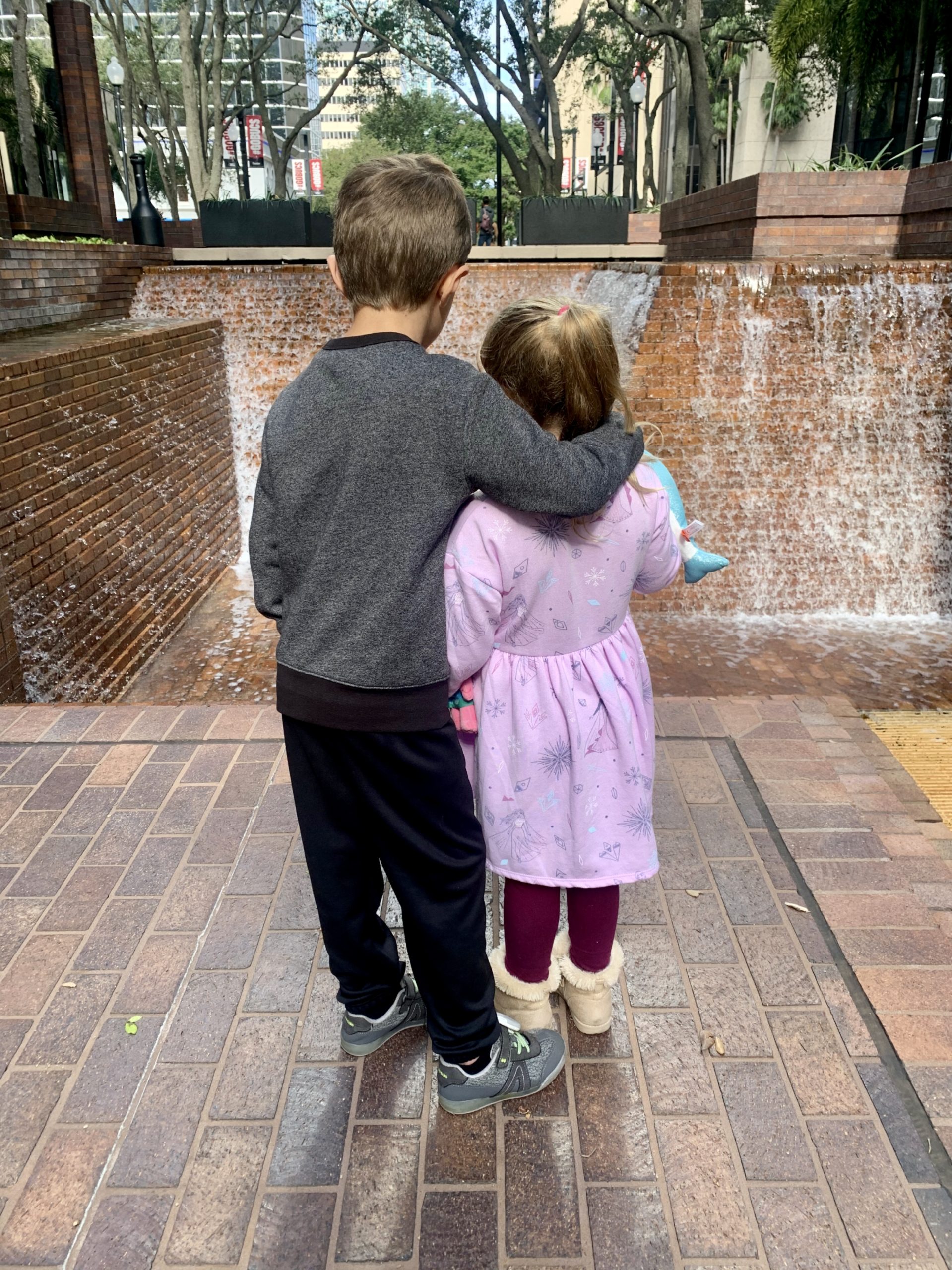
  • Walking Together: Supporting Siblings of Non-Verbal Autistic Children

    Walking Together: Supporting Siblings of Non-Verbal Autistic Children

    On behalf of the Robert Norton Foundation, we’d like to shine a light on a challenging yet underexplored facet of family life within the autism community: being a sibling to a non-verbal autistic child. Navigating this journey as a parent is often a road less traveled, filled with joys, hurdles, shared experiences, and unique personal growth.

    The dynamics within a family that has a child with special needs, particularly those on the non-verbal autism spectrum, can be a delicate balance. It’s not merely about managing the autistic child’s requirements but also considering the siblings’ needs, who may face a unique set of challenges themselves.

    To fully comprehend the impact, it’s important to recognize that siblings often serve as secondary caregivers. They grow up faster, understanding sooner the complexities of the world. They become inherently sensitive to the silent communication of their non-verbal sibling, turning into experts at deciphering non-verbal cues, expressions, and emotions.

    However, the weight of these responsibilities can feel heavy, leading to feelings of isolation, anxiety, and guilt. They may struggle with divided attention from their parents or find it challenging to communicate their own needs in light of their sibling’s more visible demands. They may also grapple with their sense of identity, as they can often feel defined by their role as the sibling of a non-verbal autistic child.

    As parents, how can we ensure we are providing the necessary support to these siblings, fostering an environment where they feel seen, heard, and understood? Here are a few suggestions:

    Foster Open Communication: Encourage siblings to express their feelings and thoughts freely. Facilitate a safe space where they can discuss their experiences, both positive and challenging, regarding their relationship with their autistic sibling.

    Ensure Individual Attention: Each child has unique needs. Try to spend individual time with each child, doing activities they love. This special time helps siblings feel valued and understood on their own terms.

    Encourage Peer Interaction: Find or create a support network of peers who share similar experiences. This might be a local or online support group where they can connect with others who understand their unique journey.

    Educate About Autism: Provide siblings with age-appropriate information about autism. This understanding can help siblings make sense of their experiences and feel more prepared to face challenges.

    Provide Counseling if Needed: Don’t hesitate to seek professional help if a sibling is showing signs of significant distress. Therapists who specialize in autism and family dynamics can provide invaluable support.

    Parenting a sibling of a non-verbal autistic child is a journey that requires balance, resilience, and a tremendous amount of love. As a parent, it’s crucial to remember that it’s okay to ask for help, to lean on the support of others, and to seek respite when needed. We don’t have to travel this journey alone.

    The Robert Norton Foundation is here to support and guide you on this journey. We work tirelessly to advocate for families affected by autism, striving for a future where every family member feels seen, understood, and empowered.

    Remember, in the face of adversity, we grow stronger together. Let’s walk this path hand in hand, nurturing the sibling relationships within our families and empowering our children to navigate their unique journeys with resilience, understanding, and compassion.

  • Thriving Through Summer: Activities for Your Non-Verbal Autistic Child

    Thriving Through Summer: Activities for Your Non-Verbal Autistic Child

    When school breaks for summer, the long, free days can seem daunting for parents, particularly those of non-verbal autistic children. Finding ways to keep them entertained, engaged, and continuing to learn can feel like a challenging task. But fear not, summer can indeed be a time of fun, growth, and togetherness. Here are some suggestions for making the most out of your summer with your non-verbal autistic child.

    1. Create a Routine

    Autistic children often thrive on routine and predictability. Summer break disrupts the familiar school schedule, so it’s helpful to establish a new, flexible summer routine. This can include structured times for meals, play, rest, and learning activities.

    2. Sensory Play Activities

    Sensory play can provide comfort and joy to non-verbal autistic children. It allows them to explore and understand their senses in a controlled environment. Try incorporating the following activities:

    • Sensory Bins: Fill a bin with materials like sand, water beads, rice, or kinetic sand. You can also add objects that cater to your child’s interests, like toy cars, seashells, or dinosaur figures.
    • Water Play: Many autistic children enjoy water play. On hot summer days, set up a kiddie pool or a sprinkler for your child to enjoy. Always supervise water activities to ensure safety.

    3. Outdoor Exploration

    Spending time outdoors can be incredibly beneficial for children. It’s an opportunity for sensory experiences, physical exercise, and connection with nature. Activities can include:

    • Gardening: Planting and caring for a garden can be very therapeutic. Your child can help water plants, pick weeds, or plant seeds.
    • Nature Walks: Take regular walks in your local park or nature reserve. Encourage your child to explore different textures like grass, leaves, or tree bark.
    • Outdoor Art: From chalk drawing on the sidewalk to painting rocks, outdoor art activities can be a great way to engage your child creatively.

    4. Incorporate Music and Movement

    Music can be a powerful medium to engage non-verbal autistic children.

    • Dance Parties: Holding impromptu dance parties can be a fun way to get your child moving and expressing themselves. Use your child’s favorite music and join in the fun!
    • Instrument Play: Provide access to different musical instruments and allow your child to explore the different sounds they can make.

    5. Therapeutic Swimming

    Swimming offers both physical activity and sensory input. Many children with autism find water calming. Always ensure the environment is safe and closely supervise your child while they’re in the water.

    6. Interactive Learning Apps

    There are numerous apps available that can be useful for non-verbal autistic children. They provide visual, interactive experiences that can help your child learn new skills or reinforce the ones they’re already developing.

    • Communication Apps: Apps like Proloquo2Go and AutisMate can help children express their needs and desires.
    • Educational Games: There are many apps designed to teach basic skills in a fun, interactive way. Check out Endless Alphabet, Toca Boca games, or the series of apps from Sesame Street.

    Summer doesn’t have to be a stressful time. With a little planning, creativity, and flexibility, it can be a wonderful opportunity for growth and bonding with your non-verbal autistic child. Remember, each child is unique, and what works for one might not work for another. Tailor these suggestions to fit your child’s individual preferences and needs, and most importantly, enjoy this precious time together.

  • The Ultimate Guide to Summer Fun in Tampa for Non-Verbal Autistic Children

    The Ultimate Guide to Summer Fun in Tampa for Non-Verbal Autistic Children

    Summer vacation is the perfect time to explore new adventures and share memorable experiences with your child. When schools close for the break, it might seem challenging to keep your non-verbal autistic child engaged and entertained, especially if you live in Tampa where the summers can get quite hot. However, Tampa is filled with opportunities for enriching and accessible fun for all.

    Below, we’ll provide some insightful tips and recommendations on how to entertain your non-verbal autistic child in the Tampa area during the summer months.

    1. Sensory-Friendly Activities

    For many children with autism, sensory experiences can be simultaneously rewarding and overwhelming. When planning outings, consider sensory-friendly activities that can cater to your child’s unique needs.

    • The Glazer Children’s Museum: The museum offers a ‘Sunshine Sunday’ event on the last Sunday of every month which is designed specifically for special needs children and their families. The event offers modified lighting, lowered sound, and limited admission to accommodate sensory-sensitive experiences.
    • Sensory Sensitive Saturdays at The Florida Aquarium: The aquarium opens early on specific Saturdays for sensory-sensitive guests, allowing them to enjoy the exhibits with reduced crowds and noise.

    2. Outdoor Activities

    The outdoors provide natural sensory experiences and ample space for energetic play. Just make sure to have sunscreen, water, and cooling breaks to beat the Tampa heat!

    • Curtis Hixon Waterfront Park: With large open spaces, a playground, and a water feature for kids to play in, this park offers plenty of opportunities for play and sensory exploration.
    • Picnic Island Park: With its wide, sandy beach and tranquil park settings, Picnic Island Park offers the perfect backdrop for a relaxed family picnic.

    3. Art Activities at Home

    Art projects can be a great way to stimulate creativity and focus. Whether it’s finger painting, sensory bins filled with sand or water beads, or simple crafts, art activities can be therapeutic and enjoyable for your child.

    • DIY Sensory Bags: Fill a sturdy zip-lock bag with items like glitter, colored water, sand, or small beads. Seal it securely and let your child explore the different textures and movements.

    4. Therapeutic Swimming

    Swimming is not only a fun way to cool off in the Tampa heat but can also be therapeutic for children with autism.

    • YMCA of Tampa: The YMCA offers swimming lessons specifically designed for children with special needs.
    • Aquatic Therapy at All Children’s Hospital: They offer specialized aquatic therapy which is therapeutic and recreational.

    5. Interactive Technology

    Technology can be a powerful tool for non-verbal autistic children. Apps and games can provide interactive learning and fun. Be sure to balance screen time with other activities, though!

    • Autism Apps: Apps like Proloquo2Go and AutisMate can be customized to your child’s interest and needs, helping them communicate and engage.

    Remember, every child is unique and has different interests and sensitivities. Keep your plans flexible, take cues from your child, and above all, make sure the activities are something they’ll enjoy and benefit from.

    Summer in Tampa for a non-verbal autistic child can indeed be filled with joy, learning, and warmth. It’s all about finding the right balance of stimulation and relaxation, tailored to your child’s individual needs. Enjoy exploring all the amazing possibilities Tampa offers, and here’s to a summer filled with wonderful memories!

  • Parenting a non-verbal autistic child can be challenging

    Parenting a non-verbal autistic child can be challenging

    Being a parent is one of the most rewarding experiences in life, but it can also be one of the most challenging. When your child has autism, those challenges can be amplified. When your child is non-verbal, those challenges can feel overwhelming. This is the reality for parents of non-verbal autistic children like Robert.

    As a parent of a non-verbal autistic child, you know the daily struggles all too well. You know the frustration of trying to communicate with your child when they can’t speak. You know the heartache of not being able to understand their wants and needs. You know the exhaustion of constantly advocating for your child’s rights and needs.

    I know all of this too well. I know that my son can’t tell me when he’s hungry, thirsty, or in pain. I know that he can’t express his thoughts and feelings like other children his age. I know that they have to be his voice, and that can be a heavy burden to bear.

    When Robert has a meltdown or an outburst, we can feel helpless. I can’t console him with words, and we can’t always understand what triggered the behavior. We feel frustrated and sad that we can’t do more to help him.

    It can also be frustrating for us when I try to explain his condition to others. I often encounter people who don’t understand autism or who make insensitive comments. I have to constantly educate others and advocate for my son’s needs.

    Despite all of the challenges and frustrations, I love him deeply and will do anything for him. I celebrate his victories, no matter how small, and I cherish the moments when he shows me affection. I know that he has a unique perspective on the world, and we are constantly learning from him.

    To other parents of non-verbal autistic children like Robert, know that you are not alone. It’s okay to feel frustrated, overwhelmed, and exhausted. It’s okay to ask for help and support. Remember that your child is unique and special, and that they have so much to teach us. Cherish the moments of connection and love, and keep advocating for their needs. Together, we can create a world that is more understanding and supportive of all children, regardless of their abilities.

    Please sign up for our email list so we can reach out to families in need of communication devices.

  • What are the best strategies for a single parent with a child with autism?

    What are the best strategies for a single parent with a child with autism?

    There is no one-size-fits-all answer to this question, as each child with autism is unique and may have different needs and challenges. However, here are some strategies that may be helpful for single parents with a child with autism.

    Seeking support from family and friends. It can be overwhelming to be a single parent, especially when you have a child with special needs. It is important to reach out to your support network and ask for help when you need it. Having a strong support system is very important. They say it takes a tribe to raise children well the add some extra members to that tribe when you have a child with autism. A strong support system is important. For us it has been family members, friends, therapists even our neighbors! There is no shame in asking for help from those in our support network.

    Finding resources in your community. Many communities have organizations and resources specifically designed to support families of children with autism. These can include therapy centers, support groups, and educational programs. Finding the right therapist and therapy centers can truly be life changing. In our case, we tried at home ABA for nine months. Which ended up not being the best fit for our family. We interviewed and visited a few ABA centers and found one that has been amazing. Robert has made big improvements and his therapist are wonderful. Seeing him grow and thrive has truly been life changing. Here in the Tampa Bay we have a great resource center provided by USF known as CARD.
    http://card-usf.fmhi.usf.edu/

    Keeping a routine and staying organized can be a huge help. Having a good system for organizing your child’s schedule, appointments, and other responsibilities can help make your life as a single parent more manageable. Robert thrives on routine! Which can be thrown off by the holidays or custody schedules. So planning ahead and scheduling activities he enjoys were a huge help. Also keeping in touch with his therapist and working with them to provided him with a few hours of therapy while during the holidays were a huge help.

    Prioritizing self-care is not only important for ourselves as parents but more importantly for our family. It is important to take care of yourself, both physically and emotionally, in order to be able to support your child. Make sure to carve out time for activities that help you relax and recharge. Which can be as simple as going for a walk, reading a few pages from a book, or taking a hot shower! Trust me taking care of us allows us to care for others. We cannot give from empty cup.

    Seeking professional support. If you are feeling overwhelmed or struggling to manage your child’s autism, consider seeking help from a mental health professional or other support services. Such as therapist or support groups.

    At the end of the day we are all doing the best we can with what we have. It is important that no matter what, you as a parent know that you are doing a good job. Being a parent of an autistic child can feel lonely at times, but trust me when I say you are not alone.

    Isabel

  • Stress

    Stress is a normal part of life, something that most people and most families experience. Families with autistic children can experience higher stress levels than other families. They might feel stress due to:

    • accepting your child’s diagnosis, coming to terms with it and what it means for your child
    • navigating day to day life, managing your life and that of your families with the demands and needs of your child/children
    • explain to your typical (not autistic) child/children your autistic child’s behavior
    • getting the services (therapies) they need, the doctor’s appointments, the evaluations, the waiting lists, finding the right fit for their schooling
    • poor sleep, picky and disruptive eating habits
    • challenging behaviors, some include hitting, throwing things, head banging or other forms of self-injury, repetitive behaviors, tantrums
    • financial burdens

    Parents of children with autism typically earn less and for the most part work less hours. Families struggle to pay for therapies that are not covered by health insurance or provided by schools. The bulk of the care if not all of the care usually relies on the mother. Which can make it very difficult for mother’s of autistic children to earn as much as mother’s of typical children.

    Autism experts stress the importance of early intervention, so many families feel pressure to find the right combination of behavior, language, sensory therapies and school programs. With this comes an enormous amount of stress, anxiety and frustration. Which can lead to an overwhelming sense of guilt, failure, helplessness, loneliness. It can be consuming at times.

    Women in general experience more stress when it comes to being a parent of an autistic child. Mother’s tend to be the primary caregivers to their children and are often more emotionally invested in regards to their children’s care. Practicing mindfulness is a great way to cope with stress. What does being mindful look like? Accepting your anxiety, your frustration. Not fighting your feelings and learning how to channel them. It may be through breathing and relaxation techniques, meditation, and exercise. Let’s say your child is having a meltdown in the store. First you realize and accept your anxiety and frustration, then you focus on how to respond to his meltdown, without letting your thoughts about the stares of other shoppers affect your decision-making.

    Another potential stress reducer is practicing acceptance. Parents who accept where their child is today seem to do better overall. Unlike some other developmental disabilities, autism carries with it stories of “recovery”. The possibility of losing an autism diagnosis, usually through intensive therapies, creates a sense of hope for some families. But it also can fuel stress: some parents may pack therapies into every minute and worry that their child isn’t improving quickly enough. Focusing on the present can help. Parents who do best are the ones who can celebrate each achievement and developmental gain as it occurs, and who aren’t focused on where they feel like their child needs to be. Practicing being ‘in the moment’ versus measuring progress against some ideal outcome.”

    I can bare witness and give my testimony that everything in this article is true. I live it every day. No matter the amount of stressors in our lives, we can choose how to react. We can choose to not stay stuck in the whirlwind of emotions. It can feel like we are in the middle of a tornado and have nowhere to seek shelter. It’s ok to stop and channel our emotions and just feel. Feel the anxiety, the pain, the worry, the guilt…but it’s not ok to stay there. We are all united in this world one way or another. We can find connection through human connection. By sharing our stories and voicing our feelings. That is what we are so desperately trying to do here at the Robert Norton Foundation. By giving children a voice, our hope is to help our son, your child to connect with you and the outside world. Help us give kids a voice.