Category: Holidays & Celebrations

  • Happy Mother’s Day

    “A mother’s love endures through all.” — Washington Irving

  • Empowering Non-Verbal Autistic Children Through Sensory and Educational Toys for the Holidays!

    Empowering Non-Verbal Autistic Children Through Sensory and Educational Toys for the Holidays!

    Happy Holidays! Every child deserves the opportunity to explore, learn, and express themselves through play. For non-verbal autistic children, carefully chosen toys can become invaluable tools for communication, emotional regulation, and skill development. The right items can offer not only fun, but also meaningful ways to engage with the world, reduce stress, and foster creativity. Below, we’ve rounded up several popular and well-reviewed toys that may support children on the spectrum in feeling heard, understood, and empowered that would make great Holiday gifts!

    1. Sensory Stimulation for Calm and Focus

    Weighted Lap Pads and Plushes:
    Weighted items provide gentle, soothing pressure that can help reduce anxiety and improve focus. Consider the Harkla Weighted Lap Pad, designed with ultra-soft minky fabric and evenly distributed weight. Similarly, the Huggaroo Weighted Lap Pad Puppy offers comfort in a child-friendly design.

    Chewable Fidget Toys:
    For oral sensory needs, consider the ARK’s Y-Chew Oral Motor Chewy Tool or the fun, durable Chewy Necklaces. These tools promote self-regulation and can be helpful during moments of anxiety or sensory overload.

    2. Encouraging Communication and Interaction

    Augmentative and Alternative Communication (AAC) Devices:
    While not a toy, our AAC devices offer a simple and effective way for non-verbal children to communicate using pictures (PECS) and sound in both English and Spanish.

    Cause-and-Effect Toys:
    Toys like the Baby Einstein Glow & Discover Light Bar and the LeapFrog Scout’s Learning Lights Remote (one of Robert’s favorite toys!) are excellent for encouraging cause-and-effect learning, as they light up and make sounds when interacted with.

    3. Fine Motor Skills and Cognitive Development

    Building and Construction Sets:
    Encourage creativity and problem-solving with Magna-Tiles, an open-ended magnetic construction set. LEGO DUPLO blocks, like the LEGO DUPLO Town Modular Playhouse, are also perfect for developing fine motor skills while having fun.

    Sensory Puzzles and Games:
    Introduce the Melissa & Doug Sound Puzzle, a fun way to work on hand-eye coordination and cause-and-effect learning through auditory feedback.

    4. Comforting and Engaging Sensory Environments

    Liquid Motion Timers:
    These simple visual tools, like the Kiseer Liquid Motion Timer, offer calming sensory input and can help children regulate emotions during overwhelming moments.

    Indoor Sensory Swings:
    For a more immersive experience, the Harkla Indoor Therapy Swing is an excellent tool for sensory regulation and a fun way to relax during downtime (also one of Robert’s personal favorites!).

    Tips for Selecting Toys

    • Durability: Choose high-quality items that can withstand frequent use.
    • Safety: Look for age-appropriate toys made from non-toxic materials.
    • Adaptability: Opt for toys that grow with the child’s developmental stages.
    • Sensory Preferences: Observe what textures, visuals, or sounds the child enjoys most.

    Empowering Through Play

    At GiveKidsAVoice.org, we understand that communication and self-expression take many forms. Toys that cater to sensory needs and encourage cause-and-effect interactions can bridge the gap for non-verbal autistic children, helping them find their own “voice” in play. By thoughtfully selecting items that address comfort, engagement, and skill-building, you can help empower children to explore their world and communicate in the ways that feel most natural to them and enjoy the Holiday magic!

  • Sensory-Friendly Birthday Celebrations for Non-Verbal Autistic Children

    Sensory-Friendly Birthday Celebrations for Non-Verbal Autistic Children

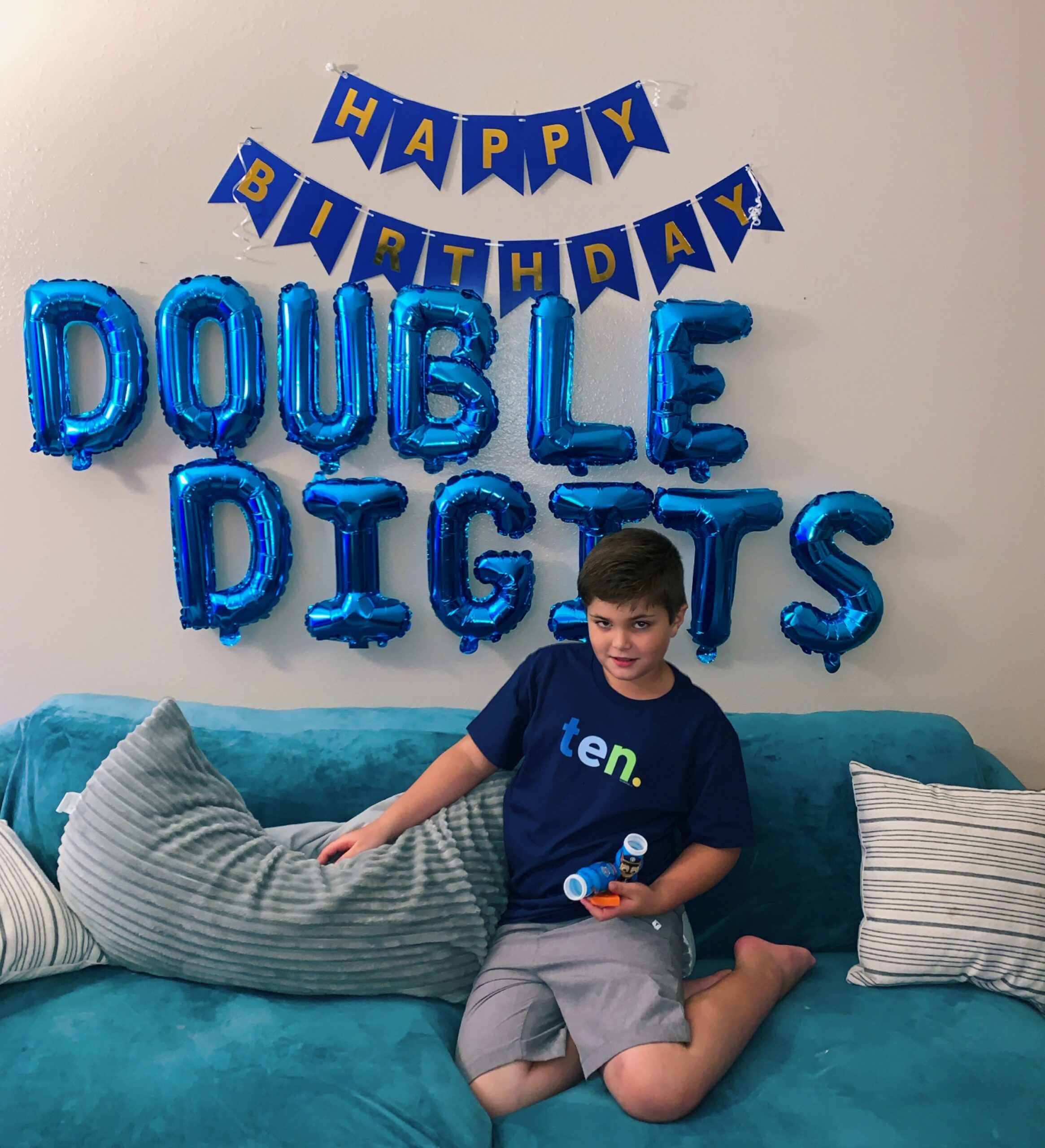
    As Robert nears his 11th (!) birthday, trying to plan a party for him is incredibly challenging and can be frustrating. Celebrating a birthday should be a joyous occasion for every child, including those with autism. For non-verbal autistic children, creating a sensory-friendly environment at a venue like a children’s museum, bouncy house, splash park, or trampoline park can ensure they fully enjoy their special day. This blog post provides practical tips for planning such a party and includes insights from various resources that cater to the unique needs of autistic children.

    Choosing the Right Venue:

    A children’s museum or an activity center with a bouncy house or trampoline park can be an excellent venue for hosting a sensory-friendly birthday party. These places often offer private event options which allow for controlled environments and can be set up to meet sensory needs:

    • Children’s Museums typically have exhibits and activities that are already designed to be engaging and educational without overwhelming the senses.
    • Bouncy Houses and Trampoline Parks can provide physical activities that are enjoyable and can be enjoyed in a sensory-friendly manner, with adjustments like reduced noise and controlled lighting.
    • Splash Parks are one of Robert’s favorite places to go! The sound of the water is very soothing for him. It’s also a great time of the year to splash around and cool off!

    Invitations and Expectations:

    When sending out invitations, provide clear information about the sensory-friendly nature of the party and the venue. Include a brief explanation of what adjustments will be made to accommodate all children’s needs and any information about the venue that would be helpful for parents preparing their children for the event.

    Decorations and Atmosphere:

    Choose decorations that are visually pleasing without being overstimulating. If the party is at a venue like a children’s museum, you may not need much decoration at all, as the setting itself is engaging enough for the children.

    Activities and Entertainment:

    Choose activities appropriate for the venue that cater to various sensory needs and preferences. If the venue is a trampoline park or bouncy house, ensure there are times when noise is minimized and the number of participants is controlled.

    Food and Dietary Considerations:

    Provide a variety of simple, non-messy snacks that cater to different dietary needs and preferences. Venues like children’s museums often have designated eating areas where food can be managed according to each child’s needs.

    Give Kids A Voice is committed to supporting non-verbal autistic children by providing them with AAC devices to help them communicate effectively. These devices are crucial in settings like birthday parties, where clear communication can significantly enhance the child’s experience. To request an AAC device for your child or to support our mission with a donation, please visit our device request page or our donation page.

    Conclusion:

    Planning a sensory-friendly birthday party at a venue like a children’s museum or a trampoline park provides a fantastic opportunity for non-verbal autistic children to celebrate their special day in a way that is comfortable and enjoyable for them and their friends. By taking into account the unique needs of these children, you can create an inclusive celebration that will be remembered fondly by all attendees.

    Feel free to leave a comment below about your experiences with your child’s birthdays!

  • Mother’s Day Appreciation: Celebrating the Strength of Mothers with Non-Verbal Autistic Children

    Mother’s Day Appreciation: Celebrating the Strength of Mothers with Non-Verbal Autistic Children

    This Mother’s Day, we shine a spotlight on the incredible mothers, especially single moms, who face the unique challenges of raising non-verbal autistic children.

    The Unique Challenges:

    Raising a non-verbal autistic child often involves navigating a complex world of emotional and communicative barriers. Surveys show that the rate of divorce in families with a child with disabilities may be as high as 87%. The divorce rate in families with a child with autism is about 80%.

    How AAC Devices Help:

    At Give Kids A Voice, we equip families with AAC devices to bridge the communication gap.

    The Impact of AAC Devices:

    • Enhanced Communication: AAC devices facilitate clearer communication, reducing frustration for both children and mothers.
    • Empowerment and Independence: These devices empower children to participate more actively in daily activities and social interactions.
    • Support for Moms: These tools offer mothers peace of mind, knowing their children can express themselves safely and effectively.

    Stories of Hope and Resilience:

    Emma’s Story: Emma shares how an AAC device has been a game-changer for her son, Jake.

    Maria’s Journey: Maria describes the relief and support the devices have provided for her twin girls.

    Celebrating Mother’s Day:

    This Mother’s Day, we honor these heroic mothers who do extraordinary things every day. Parenting a non-verbal autistic child is extremely challenging, and we are here to help!

    Conclusion:

    Mothers of non-verbal autistic children embody a strength that deserves recognition not just on Mother’s Day but every day. Give Kids A Voice is committed to supporting these families.

  • Inclusive Easter and Passover Celebrations for Non-Verbal and Autistic Children

    Inclusive Easter and Passover Celebrations for Non-Verbal and Autistic Children

    Holidays like Easter and Passover are times of joy, reflection, and family gatherings. However, for families with non-verbal or autistic children, these celebrations can sometimes present challenges. With thoughtful planning and a focus on inclusivity, these festivities can be enjoyable for everyone. Here are some tips on how to create fun and accessible Easter and Passover celebrations for non-verbal and autistic kids.

    Creating a Sensory-Friendly Environment

    Both Easter and Passover can involve activities and environments that might be overwhelming for some children. Consider creating a sensory-friendly space where kids can retreat if things get too hectic. Soft lighting, quiet areas, and access to favorite toys or sensory tools can make a big difference.

    Adaptable Easter Activities

    • Egg Decorating: Use stickers, markers, or paint to decorate eggs. For children sensitive to touch, provide tools that minimize direct contact with wet or sticky substances.
    • Sensory Easter Egg Hunt: Instead of traditional egg hunts, consider hiding eggs in a contained area filled with sensory-friendly materials like shredded paper or fabric scraps. Use eggs that make sounds, light up, or contain textured surprises inside.
    • Story Time: Read Easter or spring-themed books that focus on themes of renewal and joy. Interactive books with textures or sounds are especially engaging.

    Inclusive Passover Celebrations

    • Interactive Seder Plate: Create a tactile Seder plate with real or replica items that kids can touch and explore. Discuss the significance of each item in simple, concrete terms.
    • Visual Haggadah: Use a Haggadah with pictures and simple language to make the Seder more accessible. Consider a shorter, child-focused Seder to keep kids engaged.
    • Passover Songs and Music: Incorporate music and songs into your celebration. Many children find music soothing and enjoyable, and it can be a great way to connect with the holiday’s themes.

    Tips for a Successful Celebration

    • Prepare in advance by discussing the holiday and what to expect. Use social stories or visual schedules for children who benefit from knowing the sequence of events.
    • Be flexible and willing to adapt traditions to suit your child’s needs. It’s okay to skip or modify parts of the celebration if they cause stress.
    • Include your child in the preparation as much as possible. Simple tasks like setting the table or choosing decorations can make them feel involved and valued. We have seen Robert show incredible joy when he is feeling helpful!

    Celebrating Easter and Passover with non-verbal and autistic children can be deeply rewarding. By prioritizing inclusivity and accessibility, you can create meaningful traditions that honor the spirit of these holidays while ensuring that everyone in the family feels welcome and cherished.

  • Navigating Valentine’s Day: Understanding the Challenges for Non-Verbal/Autistic Children

    Navigating Valentine’s Day: Understanding the Challenges for Non-Verbal/Autistic Children

    Valentine’s Day is celebrated across the globe with excitement and joy, symbolizing love and affection through the exchange of cards, chocolates, and heartfelt messages. However, for non-verbal/autistic children and their families, this day can present unique challenges. From sensory overloads to social expectations, understanding and navigating these hurdles is key to creating an inclusive and enjoyable Valentine’s Day for all.

    The Challenges:

    • Sensory Sensitivities: Valentine’s Day activities often involve bright decorations, music, and social gatherings, which can be overwhelming for children with sensory sensitivities. The abundance of red and pink, the texture of certain crafts, and the taste of different foods can all impact a child’s comfort and participation.
    • Social and Emotional Understanding: The concepts of love and friendship that are central to Valentine’s Day can be abstract and complex. For autistic children, especially those who are non-verbal, expressing and interpreting these emotions can be particularly challenging.
    • Communication Barriers: Traditional Valentine’s Day activities, such as writing cards or verbalizing affection, may not be accessible for non-verbal children. This can lead to feelings of isolation or exclusion in group settings.

    Strategies for an Inclusive Valentine’s Day:

    • Adapted Activities: Create sensory-friendly Valentine’s activities. Opt for quiet, calm environments and incorporate activities that don’t rely on verbal communication, such as making visual valentines or using sign language and AAC devices to express affection.
    • Focus on Inclusivity: Encourage activities that include all children, regardless of their verbal abilities. Group projects where each child can contribute in a way that suits them can foster a sense of belonging and teamwork.
    • Educate and Advocate: Use Valentine’s Day as an opportunity to educate peers and teachers about autism and non-verbal communication. Teaching children about diversity and inclusion from a young age can lead to more empathetic and understanding communities.

    Valentine’s Day, with its emphasis on love and friendship, offers a wonderful opportunity to highlight the importance of acceptance and inclusivity. By adapting traditions and being mindful of the challenges faced by non-verbal/autistic children, we can ensure that this day is celebrated in a way that is enjoyable for everyone. Let’s spread love in all its forms, understanding that each child expresses and experiences affection in their unique way.

  • Happy New Year! Tips on how to navigate New Year’s Eve with an autistic non-verbal child

    Happy New Year! Tips on how to navigate New Year’s Eve with an autistic non-verbal child

    The holidays are almost done!! We still have a big one to get through, New Year’s Eve and New Year’s Day! To my neurodivergent parents hang in there! The holidays for families with autistic children, the festivities can bring unique challenges. One of the significant hurdles that parents and caregivers often face is the disruption of their child’s carefully crafted schedule. In this blog post, we will explore the impact of interrupted schedules on autistic children during the holidays and discuss strategies we have implemented to help them navigate this potentially overwhelming time.

    Understanding the Importance of Routine: Autistic children often thrive on routine and predictability. A consistent schedule provides a sense of security and helps them manage sensory sensitivities and social interactions. During the holidays, this routine can be disrupted by changes in school schedules, family gatherings, and various events, leading to increased stress and anxiety for autistic children.

    Holiday celebrations are notorious for being sensory-rich experiences with bright lights, loud music, and bustling crowds. For autistic children who may already be sensitive to sensory stimuli, the holiday environment can be overwhelming. The sudden change in routine combined with sensory overload can contribute to meltdowns, increased anxiety, and challenges in communication.

    The holiday season often involves social gatherings and interactions with extended family and friends. Autistic children may struggle with the expectations of social engagement, making these events emotionally draining. Parents may face challenges in helping their children navigate social situations and may worry about potential judgment from others who may not fully understand their child’s unique needs.

    Here are some things we have implemented this year that have helped us as a family navigate the busy holiday season.

    I hate to say the phrase, preparation is key, and one can never be too prepared, but it has helped us. We communicate what the next day’s schedule will look like, sometimes with the use of PEC cards and the first/then model. Using visual aids, social stories, or calendars has helped Robert understand the holiday schedule.

    Designating a quiet and calming space where Robert can “decompress” and feel safe when he becomes overwhelmed has also been a huge help. While we are at home, he has a preferred space in our home where he can retrieve to, and he can regulate his nervous system which has made him feel overwhelmed. When we are not at home, we try to bring familiar comfort items, such as toys or sensory tools, to provide a sense of familiarity.

    We try to maintain some elements of the regular routine, such as mealtimes or bedtime rituals, to provide a sense of stability. Bath times can be pushed back by 15-30 minutes, but overall, we try to keep some aspects of his routine as close to “normal” as possible.

    We offer choices when appropriate. We allow Robert to have some control over his environment by offering choices within the holiday activities. We provide alternatives for participation, such as his communication device, his iPad and headphones to manage noise or sunglasses for bright lights.

    While the holiday season can present challenges for autistic children due to interrupted schedules, thoughtful planning and open communication can make a significant difference. By acknowledging their unique needs and implementing strategies to support them, families can create an inclusive and enjoyable holiday experience for everyone. At the end of the day, we as parents of neuro divergent children, all we can do is our best by loving our children and allowing ourselves some grace. Rest and recharge when you can. It is important that you take care of yourself as much as possible. We can’t take care of others without taking care of ourselves first. We can do all the planning in the world, do everything “right” and our children may still struggle and that is ok! They will be ok and we as their parents will be ok!

    Wishing you all a wonderful New Year!

  • Happy Holidays! Home is where my heart is!

    Happy Holidays! Home is where my heart is!

    December is here, the holidays have been in full effect for over five weeks now and I have failed to have the self-awareness to acknowledge publicly just how triggering and anxiety producing this time of year can be. This blog post may not resonate with everyone who reads it, but to my fellow neurodivergent parents, I am here to tell you that you are not alone. The holiday season is often portrayed as a time of joy, warmth, and family togetherness. However, for parents of neurodivergent children, the reality of the holidays can be far from the picture-perfect scenes depicted in commercials and movies. That simple fact does not make us a failure. It is ok to not be ok! It is ok to be anxious and nervous about how we are going to navigate what is supposed to be a happy and magical time of year when you have a child or multiple children for that matter who are neurodivergent.  

    Here are some things that I have come to understand, because I truly will never know for certain as I am not a neurodivergent person, but I have immersed myself in understanding my child’s world. It has become clear to me that changes in daily routines can be challenging, not impossible but certainly challenging. We do better, I say we because anything what affects my neurodivergent children, affects our family. It is that simple. I do not isolate my children or alienate them from participating in events or family outings. I respect their boundaries and provide them with a safe space to self soothe. We face everyday challenges, and we celebrate all the wins together, as a family.  So, we do better by attending events and going to places that are familiar to my children. We can go a day or two of “no routine” as long as we have access to their preferred methods of self-soothing, we can manage to “venture” out and explore. Our different experiences are not what your typical families may look like. Going on a road trip or going hiking, going to an amusement park, all these experiences must be thought out and well thought out. There are no “last minute” adventures. So, I have come to recognize my children’s discomfort and allowing them and myself to be ok with that. 

    I used to feel the pressure through the societal expectations that are put out there by my own friends and family. Who through no fault of their own, live their lives and see the world through a different lens. They say perspective is everything, with that comes a true level of power and understanding the world we immerse ourselves in. This looming wave of guilt and judgment for not fully “embracing” the festive spirit would slowly eat away at my soul. Yet nothing in this world will ever stop me from working tirelessly to put a smile on my children’s face. Their laughter is full of pure love and joy. It is like music to my soul. Embracing these challenges has been so freeing like a weight has been lifted off my shoulders. I finally feel like I can be present and allow myself to enjoy all that is my life. 

    Now rather than adhering to societal norms, I have found it empowerment in creating new holiday traditions that cater to my children’s needs. Whether it’s a quieter celebration at home, a special sensory-friendly activity, or even a day of rest, redefining traditions have allowed us to make the holidays more enjoyable for our entire family. 

    I am here to tell you that it is okay not to like the holidays and to open the door to connecting with like-minded parents who share similar sentiments. Let us embrace what is and let go of unrealistic expectations. Let us come together as a community to support each other either online or locally. In hopes of providing a space to share experiences, offer advice, and find solace in the understanding that others face similar challenges during the holiday season. 

    With that I leave you with this. In a world where the holiday narrative is often one of universal joy, it is crucial to recognize and validate the feelings of parents with neurodivergent children. It is okay not to like the holidays when your child’s well-being is a top priority. By acknowledging the challenges, managing expectations, prioritizing advocacy over guilt, creating new traditions, and connecting with supportive communities, hopefully we can navigate the holiday season with authenticity and resilience. Remember, every family is unique, and embracing your own version of holiday celebrations is not just acceptable – it’s a testament to the love and commitment you have for your neurodivergent children. 

  • Preparing for a Sensory-Friendly Thanksgiving

    Preparing for a Sensory-Friendly Thanksgiving

    Thanksgiving is a time of joy and family gatherings. For families with children who have sensory sensitivities, creating an environment that is both inclusive and comfortable is essential. In this post, we’ll explore how to set up a sensory-friendly “kid’s table,” share activities that can make Thanksgiving enjoyable for everyone, and introduce the role of Augmentative and Alternative Communication (AAC) devices provided by the Robert Norton Foundation through givekidsavoice.org.

    Setting Up a Sensory-Friendly Kid’s Table:

    Choosing the Right Space: Select a quiet corner of the room, away from the hustle and bustle, where children can feel calm and focused.

    Kid-Friendly Table Setting: Use a smaller table with child-sized chairs. Bright but not overwhelming colors can make the space more inviting.

    Sensory Toys and Activities: Place sensory-friendly toys like soft textured balls, simple puzzles, and calm, non-electronic toys. These can provide a comforting distraction and help children manage sensory overload.

    Including an AAC Device: For non-verbal children, having an AAC device at the table can be empowering. The AAC devices from givekidsavoice.org are customizable and bilingual (English and Spanish), making them a vital tool for children to participate in conversations and express their needs and thoughts.

    Sensory-Friendly Thanksgiving Activities:

    Crafting with Safe Materials: Engage children in making Thanksgiving crafts using safe, non-toxic materials. This can be a calming activity and a great way for kids to contribute to the holiday decor.

    Quiet Time Activities: Prepare a selection of books, coloring pages, or simple board games as options for quiet play.

    Outdoor Breaks: Schedule short outdoor breaks for children to get fresh air and move around, which can be especially helpful for those who might feel overwhelmed by large gatherings.

    About GiveKidsAVoice.org and Our AAC Devices: The Robert Norton Foundation, through givekidsavoice.org, is dedicated to supporting families with non-verbal autistic children by providing them with AAC devices. These devices are designed to be intuitive and user-friendly, allowing children to communicate their needs, thoughts, and feelings more effectively. With over 200 PECS (Picture Exchange Communication System) cards and bilingual audio support, these devices are not just tools for communication; they are bridges that connect children to their families and communities.

    Conclusion: With a little planning and consideration, Thanksgiving can be a holiday that everyone enjoys. By setting up a sensory-friendly space, incorporating activities tailored to children with sensory sensitivities, and understanding the significance of AAC devices, you can ensure a comfortable and joyful celebration for all.